
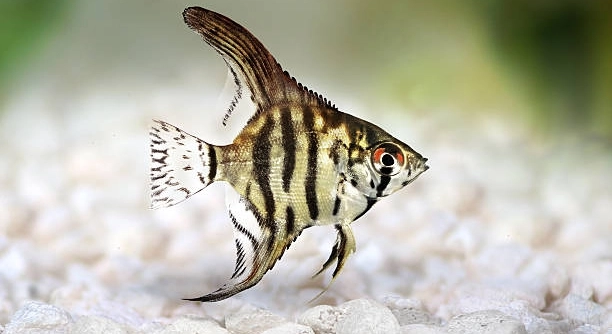
Angelfish are beautiful and delicate creatures that require proper care to stay healthy. Their immune system plays a significant role in their overall well-being, protecting them from diseases and infections. Maintaining a strong immune system ensures their long-term health.
Strengthening your angelfish’s immune system involves a combination of diet, water quality, and regular tank maintenance. Providing a balanced diet, keeping the tank clean, and avoiding stress are key factors in boosting their immune health.
Taking simple steps to improve their environment and care routine will lead to healthier angelfish. Understanding these practices can make a noticeable difference in their vitality and happiness.
Provide a Balanced Diet
A well-balanced diet is essential for your angelfish’s immune system. Including high-quality flakes, pellets, and occasional live or frozen foods ensures they get the right nutrients. A varied diet offers essential proteins, fats, and vitamins to maintain their health and boost immunity. Fish that are fed a proper diet are less likely to get sick.
You should also avoid overfeeding, as excess food can quickly degrade water quality, leading to potential health issues.
When choosing foods, look for options that promote a strong immune response. Adding vitamin-rich foods like spirulina or garlic to their meals can support their immune system and help protect against common diseases. The right mix of ingredients strengthens your angelfish, improving their resilience.
Maintain Clean Water
Keeping the water clean is vital for angelfish health. Regular water changes and filtration are necessary to prevent harmful bacteria from affecting their immune systems.
Maintaining consistent water parameters, including pH, temperature, and hardness, will keep stress levels low.
Stress from poor water quality can weaken the immune system, making your angelfish more susceptible to illness. Regularly checking your water quality and performing maintenance tasks will help prevent these issues. When the water is clean, your fish can thrive, reducing the chances of infections or diseases.
Avoid Stress
Stress weakens the immune system, making your angelfish more vulnerable to illness. Minimizing stressors is critical for their health.
Ensure your tank is in a quiet, stable environment to reduce external disturbances. Bright lights, sudden temperature changes, and loud noises can trigger stress.
Additionally, overcrowding can create tension and increase the likelihood of diseases. Providing enough space in the tank and proper hiding spots can help your fish feel secure. Regularly monitor your angelfish’s behavior for signs of stress, such as rapid swimming or hiding. Addressing stress promptly promotes a healthier immune system and overall well-being.
Quarantine New Fish
Introducing new fish without quarantine can put your angelfish at risk for diseases. It’s important to isolate new arrivals before adding them to your main tank.
Quarantine tanks should be used for at least two weeks, allowing you to observe any signs of illness. During this period, treat any potential issues before your new fish join the others.
By quarantining new fish, you reduce the chances of introducing harmful bacteria or parasites into your aquarium. This step ensures the health of your angelfish and protects your entire tank.
Proper Tank Maintenance
Regular tank maintenance ensures a healthy environment for your angelfish. Clean the tank and filter regularly to maintain good water quality.
Routine checks, such as testing water parameters and removing any uneaten food, help prevent harmful bacteria growth.
Keeping the tank clean reduces stress and supports the immune system. Ensuring a stable environment through proper maintenance ensures your angelfish are less prone to illness and thrive.
Use Supplements
Adding supplements like vitamin C or garlic can enhance your angelfish’s immune system. These additions support their overall health and help prevent infections.
Supplements boost their resistance to diseases and improve recovery from illness. Look for high-quality additives that promote immune health without compromising water quality.
By providing extra nutrients through supplements, your angelfish will have a stronger defense against common diseases and infections.
Avoid Overcrowding
Overcrowding in a tank leads to higher stress levels for your angelfish. It can create competition for food and hiding spots, weakening their immune system.
Keeping fewer fish in your tank ensures each has enough space to thrive. Maintaining a proper fish-to-water ratio will prevent the spread of illness and stress.
FAQ
How can I tell if my angelfish is stressed?
Signs of stress in angelfish include rapid swimming, hiding, loss of appetite, or unusual behavior. They may also show physical signs such as faded colors or clamped fins. Monitoring these changes can help you identify stress early.
Can I feed my angelfish just flakes?
While flakes are a good base food, a varied diet is important for angelfish. Adding pellets, live or frozen foods, and occasional vegetables can provide the necessary nutrients. A balanced diet supports their immune system and keeps them healthy.
How often should I change the water in my angelfish tank?
Water changes should be done at least once a week, with a 25-30% water change each time. This helps maintain water quality and remove toxins that can affect your angelfish’s health. Regular water changes reduce the risk of disease.
What is the ideal temperature for angelfish?
Angelfish thrive in water temperatures between 76°F and 82°F (24°C – 28°C). Keeping the temperature within this range ensures their immune system stays strong and reduces stress. Fluctuations in temperature should be avoided as they can cause illness.
Can angelfish live with other fish?
Angelfish are generally peaceful but can be territorial. They do well with other peaceful fish, but avoid keeping them with overly aggressive species. Always research the tank mates to ensure compatibility.
Is it necessary to quarantine new fish before adding them to the tank?
Yes, quarantining new fish for at least two weeks is essential. This helps prevent the introduction of diseases or parasites into your tank. It also gives you time to observe the new fish for any signs of illness.
What should I do if my angelfish isn’t eating?
If your angelfish is not eating, check the water quality, temperature, and stress factors in the tank. Sometimes, fish stop eating due to poor water conditions or stress. Offering a variety of foods and reducing stress can help.
How can I prevent diseases in my angelfish?
Maintaining good water quality, a balanced diet, and minimizing stress are the best ways to prevent diseases. Regular tank maintenance, proper tank size, and quarantine procedures also help keep your angelfish safe from illness.
Can I use aquarium salt for angelfish?
Aquarium salt can be beneficial for treating certain diseases and improving gill function. However, it should only be used in moderation and when necessary, as too much salt can harm your angelfish. Always follow the recommended dosage.
What’s the best filter for an angelfish tank?
A good filter should provide gentle water circulation, as angelfish do not like strong currents. Canister filters or hang-on-back filters with adjustable flow rates are ideal for angelfish tanks. Make sure the filter is rated for your tank size.
How can I help my angelfish recover from illness?
To help your angelfish recover, ensure water conditions are optimal. Isolate sick fish if necessary, and treat with medications that are safe for angelfish. Keeping the tank clean, feeding a healthy diet, and minimizing stress will aid recovery.
How do I prevent my angelfish from getting fin rot?
Fin rot is often caused by poor water quality or injury. To prevent it, keep the water clean, perform regular water changes, and avoid sharp decorations. If fin rot occurs, treat the affected fish with an appropriate medication.
Why are my angelfish’s colors fading?
Fading colors can be a sign of stress, poor water conditions, or illness. Make sure your tank is clean, and the water parameters are stable. Stress from overcrowding or improper tank mates can also lead to color loss.
Can I add plants to my angelfish tank?
Adding live plants to your tank provides hiding spots and helps maintain good water quality. Angelfish generally do well with plants, but avoid species with sharp leaves, as they may injure your fish. Plants also provide natural filtration.
Is it okay to overfeed my angelfish?
Overfeeding can cause health problems for angelfish. Excess food leads to poor water quality and can result in obesity or digestive issues for your fish. Feed them small amounts, twice a day, and remove any uneaten food promptly.
How can I tell if my angelfish has parasites?
Signs of parasites in angelfish include visible spots on the skin, rubbing against objects, and abnormal swimming behavior. You may also notice rapid gill movement or a loss of appetite. If you suspect parasites, isolate the fish and consult a vet.
What is the best way to maintain stable water parameters?
To maintain stable water parameters, regularly test your water for pH, ammonia, nitrites, and nitrates. Use a good filter and perform regular water changes to keep these levels in check. A heater can help maintain temperature consistency.
How do I deal with aggression between angelfish?
Angelfish can become aggressive toward each other, especially if there is not enough space. To prevent aggression, provide plenty of hiding spots and a large enough tank. If aggression continues, consider separating the more aggressive fish.
Can I use medications in my tank with live plants?
Some medications can harm live plants, so always check the label before using them in a planted tank. If you need to treat your angelfish, consider using plant-safe medications or isolating the sick fish in a separate quarantine tank.
How do I tell if my angelfish has a bacterial infection?
Bacterial infections may present as swelling, ulcers, or discolored patches on your angelfish. Infected fish may swim erratically or stop eating. If you notice these symptoms, isolate the fish and begin treatment with an appropriate antibacterial medication.
Are angelfish sensitive to changes in water temperature?
Yes, angelfish are sensitive to temperature fluctuations. Rapid changes in temperature can cause stress and weaken their immune system. Always use a reliable heater and avoid drastic temperature changes to keep your angelfish healthy.
Final Thoughts
Maintaining a healthy immune system for your angelfish requires consistent care and attention to their environment. From ensuring water quality to managing stress, every aspect of their care plays a role in supporting their health. Regular tank maintenance, such as cleaning the filter and performing water changes, ensures a clean environment free of harmful toxins. This step is crucial in preventing the spread of diseases, as poor water quality is one of the leading causes of illness in aquarium fish. By maintaining good water quality and temperature, you help strengthen your angelfish’s immune system and overall well-being.
A balanced diet is also essential in supporting your angelfish’s immune system. While feeding them flakes can be convenient, providing a variety of foods such as pellets, live or frozen offerings, and occasional vegetables gives them the necessary nutrients to stay strong. Supplements, such as garlic or vitamin C, can be added to enhance their immune function. However, feeding your fish in moderation is important to avoid overfeeding, which can lead to poor water quality and other health issues. A healthy, well-rounded diet is key to keeping your angelfish vibrant and less susceptible to disease.
Finally, managing stress is one of the most effective ways to improve and maintain the health of your angelfish. Stress can weaken their immune system and make them more vulnerable to illness. Overcrowding, aggressive tank mates, or sudden environmental changes are common stressors that can have a negative impact. By providing enough space, reducing stress triggers, and keeping your tank in a peaceful environment, you give your angelfish the best chance for a long and healthy life. With regular observation and proper care, your angelfish will thrive and show fewer signs of illness or stress.

Hello,
If you enjoy the content that we create, please consider saying a "Thank You!" by leaving a tip.
Every little bit helps us continue crafting quality advice that supports the health, happiness, and well-being of pets around the world, for pets of all shapes, sizes, and species.
We really appreciate the kindness and support that you show us!