
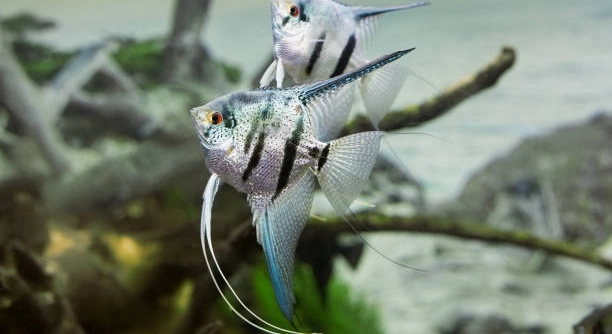
Maintaining clean water in your angelfish tank is essential for their health and happiness. Poor water quality can lead to stress and disease in your fish. In this article, we will explore seven effective ways to improve water quality.
Improving water quality in an angelfish tank requires regular maintenance, proper filtration, water changes, and monitoring factors such as temperature, pH, and ammonia levels. By implementing these steps, you can create a healthier environment for your angelfish.
Proper water care involves more than just keeping it clear. With the right strategies, your angelfish will thrive in a balanced and clean environment. Let’s explore these tips to keep your tank in top condition.
1. Regular Water Changes
Changing the water in your angelfish tank is one of the most straightforward ways to maintain good water quality. Over time, waste and uneaten food build up, leading to poor water conditions. Even with a filtration system, it’s important to remove these harmful substances by performing regular water changes. Typically, you should aim to change about 25% of the tank water every week. This helps keep the water clean and prevents harmful chemicals from building up.
By replacing a portion of the water regularly, you also help maintain proper levels of beneficial bacteria. These bacteria are essential in breaking down waste and other harmful substances. Regular water changes prevent any sudden shifts in water chemistry that could stress your fish.
Changing the water in your tank doesn’t need to be a big hassle. Simply use a siphon or gravel vacuum to remove debris from the bottom, and add fresh, dechlorinated water. This routine is key to a stable and healthy tank environment.
2. Proper Filtration
A good filtration system is essential for keeping your tank’s water clean. Filters help remove excess waste and particles from the water, providing an important backup to manual water changes. Make sure to choose the right filter for the size of your tank. Too small of a filter won’t be able to handle the waste load. On the other hand, an oversized filter might cause excessive water flow, which can stress your angelfish.
You should also clean the filter regularly to prevent clogging and ensure it’s working efficiently. Most filters have cartridges that need to be replaced periodically. Over time, filters collect debris and can even start growing harmful bacteria if not cleaned properly.
Without an effective filtration system, debris and toxins can build up in the tank quickly. With the right filter, your tank will stay cleaner for longer, and your fish will stay healthier.
3. Monitor Water Temperature
Angelfish thrive in a stable water temperature between 76-82°F (24-28°C). Fluctuations can cause stress, weakening your fish’s immune system. Use a reliable aquarium heater to keep the temperature steady.
A consistent temperature promotes better overall health for your fish. Sudden changes can lead to temperature shock, which makes angelfish more susceptible to diseases. Regularly check the water with a thermometer to ensure it remains within the ideal range.
When the water is too cold or too hot, angelfish may exhibit unusual behavior, like hiding or swimming erratically. Keeping the temperature steady encourages active, healthy fish that are more resilient to common ailments.
4. Test Water Parameters
Testing water regularly is essential for understanding its quality. Keep an eye on levels of ammonia, nitrites, nitrates, and pH. Ammonia and nitrites should always be at zero, while nitrates should be kept below 20 ppm. Regular testing helps identify issues early.
Water testing kits are available at most pet stores. Use them to track these parameters at least once a week. High levels of ammonia or nitrites can lead to poisoning, which can harm your fish quickly. A slight shift in pH can also cause stress.
Testing gives you control over the tank’s health. If the levels are off, adjustments can be made through water changes, filter upgrades, or adding water conditioners. By testing frequently, you ensure your fish’s environment remains stable.
5. Remove Excess Food
Excess food left in the tank can degrade water quality quickly. Uneaten food decomposes, adding toxins and waste to the water. Only feed your angelfish what they can consume in a few minutes to avoid this issue.
Use a siphon or net to remove any leftover food after feeding. This simple step helps maintain the cleanliness of the water and reduces the need for frequent water changes. Less waste in the tank means healthier water, which in turn supports healthier fish.
When you feed your angelfish, be mindful of the amount to prevent overfeeding. Excess food is one of the leading causes of water quality problems.
6. Avoid Overstocking
Overstocking your tank can lead to poor water quality. More fish produce more waste, which the filter and water changes might not be able to handle. Stick to the recommended number of fish for the size of your tank.
The size of your tank plays a significant role in how much waste it can process. By keeping the number of fish appropriate for the tank’s capacity, you ensure that the filtration system can handle the biological load without being overwhelmed. A crowded tank also leads to stress among the fish, further compromising their health.
Maintaining a balance between the number of fish and tank size helps keep the water clear and safe. Proper stocking allows both the fish and the water filtration system to function optimally.
7. Use Live Plants
Live plants are an excellent addition to an angelfish tank, as they naturally help improve water quality. They absorb excess nutrients from the water, which can prevent algae growth and maintain a healthy balance in the tank.
In addition to cleaning the water, live plants provide hiding spots and shelter for your fish, which can reduce stress. Plants like java fern or Anubias are easy to care for and can thrive in angelfish tanks. They also help oxygenate the water, creating a healthier environment for your fish.
By adding live plants, you can create a more balanced ecosystem. This not only supports water quality but also provides a more natural habitat for your angelfish.
FAQ
What should the pH level be for angelfish?
Angelfish prefer a slightly acidic to neutral pH, ranging from 6.5 to 7.5. Keeping the pH stable within this range is essential for their well-being. Significant fluctuations can cause stress, affecting their health and behavior. Regular testing can help you monitor and adjust the pH level. If the pH becomes too high or too low, you can use products to raise or lower it gradually, but make sure changes are slow to avoid shocking the fish.
How often should I perform water changes in an angelfish tank?
For an angelfish tank, it’s recommended to change 25-30% of the water every week. This helps remove accumulated waste and debris. The exact frequency may depend on tank size and the number of fish, but consistency is key. Regular water changes not only keep the water clean but also help maintain the proper balance of chemicals that angelfish need for healthy growth and vibrant colors. Be sure to use a dechlorinator to treat tap water before adding it to the tank.
Can I use tap water for my angelfish tank?
Yes, you can use tap water for an angelfish tank, but it’s crucial to treat it before adding it to the tank. Tap water contains chlorine and chloramine, which are harmful to fish. You can remove these chemicals by using a water conditioner. Additionally, check the hardness and pH of your tap water, as angelfish thrive in soft, slightly acidic to neutral water. If your tap water is hard or has an unsuitable pH, you might need to adjust it before use.
What is the best filter for an angelfish tank?
The best filter for an angelfish tank is one that provides adequate filtration without creating strong water currents. Angelfish prefer calm water, so a filter with adjustable flow is ideal. Canister filters or hang-on-back filters are good options for larger tanks, as they provide powerful filtration without disturbing the fish. Make sure the filter is rated for your tank size and consider a filter with mechanical, biological, and chemical filtration to ensure the water stays clean.
Do angelfish need a heater?
Yes, angelfish require a heater to maintain a stable water temperature between 76-82°F (24-28°C). Angelfish are tropical fish, and they cannot tolerate cold water. A reliable aquarium heater is essential to keep the water temperature consistent. Fluctuations in temperature can cause stress and make angelfish more susceptible to disease. Ensure the heater is appropriate for the size of your tank, and regularly check the water temperature to make sure it stays within the ideal range.
How do I prevent algae in my angelfish tank?
To prevent algae growth, it’s important to control the amount of light your tank receives. Aim for 8-10 hours of light per day and avoid excessive direct sunlight, as it encourages algae growth. Regular cleaning of the tank, including scraping the glass and removing excess food, can also help. Adding live plants helps compete with algae for nutrients, reducing algae growth. If algae do start to form, consider using an algae-eating fish or snail, but be cautious of overstocking.
What is the best substrate for an angelfish tank?
The best substrate for an angelfish tank is soft, fine gravel or sand. Angelfish like to forage at the bottom of the tank, so a smooth substrate prevents injury to their delicate fins. Avoid sharp-edged gravel that can harm your fish. A thin layer of substrate is sufficient, as angelfish do not need a deep bed of gravel. If you’re adding live plants, a nutrient-rich substrate can help promote healthy plant growth.
Can I keep angelfish with other fish?
Angelfish are generally peaceful but can be territorial, especially when breeding. It’s best to avoid keeping them with small fish that may be seen as food or with aggressive species that could bully them. Good tank mates for angelfish include other peaceful medium to large fish, such as gouramis, tetras, or corydoras catfish. Make sure the other fish have similar water temperature and pH requirements. Always monitor interactions and provide plenty of hiding places to reduce stress.
Why is my angelfish not eating?
If your angelfish isn’t eating, it could be due to several factors. Stress from sudden changes in the tank environment, water temperature, or tankmates can cause a loss of appetite. Poor water quality is another common reason, as angelfish will stop eating if the water conditions are not ideal. Check water parameters regularly and ensure that the tank is clean. Additionally, offering a variety of food options like flakes, pellets, and frozen or live food can encourage feeding.
How can I tell if my angelfish is stressed?
Signs of stress in angelfish include erratic swimming, hiding more than usual, loss of appetite, and changes in coloration. If your angelfish is constantly hiding, it may feel threatened by other tankmates or be stressed due to poor water quality or improper tank conditions. If the stress persists, check the water parameters, temperature, and filtration system. Provide plenty of hiding spaces and ensure that the tank is not overstocked. Reducing stress is key to maintaining healthy fish.
Final Thoughts
Maintaining good water quality in your angelfish tank is essential for their health and well-being. By following the steps outlined, such as performing regular water changes, ensuring proper filtration, and monitoring water temperature, you can create a stable environment for your fish. It’s important to remember that angelfish, like all tropical fish, thrive in a balanced, clean environment. This means that you need to take a proactive approach to tank maintenance. Keeping up with water tests, temperature checks, and regular cleaning will go a long way in preventing common water quality issues.
One of the most critical factors in improving water quality is consistency. Regularly changing the water, cleaning the tank, and checking water parameters will help you identify problems before they affect the fish. It’s easy to overlook small changes in the tank, but they can add up and lead to bigger issues if not addressed. Having a good filtration system and monitoring the waste levels in the tank will help maintain the right balance. Your fish depend on you to maintain a safe, clean environment, so staying consistent with care routines is key.
Lastly, don’t forget to consider your fish’s behavior. Angelfish are sensitive to changes in their environment, and poor water quality can lead to stress, disease, and even death. If your fish show signs of distress, like hiding or erratic swimming, it could be a sign that something is off with the water quality. In those moments, take immediate action to test and adjust the water parameters. By staying attentive and making necessary adjustments, you can ensure that your angelfish live a long, healthy, and happy life in a well-maintained tank.

Hello,
If you enjoy the content that we create, please consider saying a "Thank You!" by leaving a tip.
Every little bit helps us continue crafting quality advice that supports the health, happiness, and well-being of pets around the world, for pets of all shapes, sizes, and species.
We really appreciate the kindness and support that you show us!