
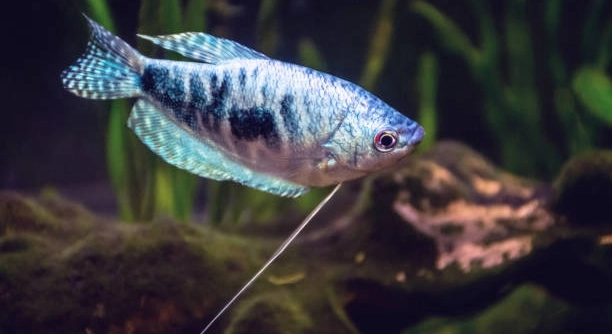
Is your gourami swimming in cloudy water or showing signs of stress despite regular tank maintenance and water changes? Keeping the environment clean and safe is essential for the long-term health of your fish.
Improving water quality for gourami involves maintaining proper filtration, monitoring pH levels, avoiding overfeeding, and performing regular water changes. Each of these steps helps create a stable, clean environment, which is essential for reducing stress and promoting healthy behavior.
Understanding these techniques will help you maintain a cleaner tank and give your gourami the healthy aquatic space it truly deserves.
Clean the Tank Regularly
Keeping your gourami’s tank clean is one of the easiest ways to improve water quality. Waste, leftover food, and plant debris all add up over time and can cause the water to turn murky or unsafe. A dirty tank leads to excess ammonia and nitrite, which harms your gourami’s health. Clean the glass, remove debris, and siphon the gravel once a week. You don’t need to do a full teardown—just enough to remove the buildup. Partial water changes during cleaning also help reduce the buildup of harmful compounds and refresh the environment without shocking your fish.
Focus on consistent weekly cleanings instead of waiting for the tank to look dirty. That way, you stay ahead of water quality problems.
Using a gravel vacuum during cleaning helps remove debris from areas that aren’t always visible. Pay close attention to corners or decorations where waste can collect unnoticed. This small habit makes a big difference.
Use a High-Quality Filter
A reliable filter plays a major role in keeping your tank water clean and balanced. It helps remove waste, uneaten food, and harmful chemicals before they affect your gourami.
Choose a filter that suits the size of your tank and is gentle enough for gourami, which prefer calm water. A filter that combines mechanical, biological, and chemical filtration will be the most effective. Mechanical filtration traps visible particles, biological filtration supports beneficial bacteria that convert harmful substances into less dangerous ones, and chemical filtration removes impurities like odors or discoloration. Clean or replace filter media regularly according to the manufacturer’s guidelines to keep the unit working efficiently. Always rinse used media in tank water during maintenance to preserve beneficial bacteria. Avoid rinsing with tap water, as chlorine can kill helpful microbes.
Filters that create strong currents may stress your gourami. Try using baffles or adjustable flow settings to keep water movement gentle but steady.
Test Water Parameters Often
Frequent testing helps you catch small changes before they become bigger problems. Use a reliable test kit to check ammonia, nitrite, nitrate, pH, and hardness. Test weekly or whenever your gourami shows unusual behavior like hiding or refusing to eat.
Ammonia and nitrite should always be at zero. Nitrate should stay under 40 ppm, while the pH for gourami should remain between 6.8 and 7.8, depending on the species. Water hardness can affect how stable your tank stays, so keep an eye on that too. If you notice anything outside the normal range, do a partial water change or add conditioners to bring levels back in line. Don’t rely on visual cues alone—many water problems aren’t visible until they’ve already affected your fish’s health. Keeping a record of weekly results helps you track patterns and adjust your routine as needed.
If you’re new to testing, choose liquid test kits over strips. They’re usually more accurate and easier to read. Label vials if needed and follow the instructions carefully for best results. Once you’re comfortable reading the levels, you’ll know exactly when something’s off and what needs to be done. This step gives you more control over your tank and keeps your gourami safe.
Avoid Overfeeding
Feeding your gourami too often or in large amounts leads to leftover food, which breaks down and pollutes the water. Only give them what they can eat in under two minutes, once or twice a day.
Too much food causes uneaten bits to sink and decay, producing ammonia that harms your gourami over time. If your fish seem hungry after feeding, wait a while before offering more—it’s better to slightly underfeed than to overfeed. Remove uneaten food with a net or turkey baster shortly after feeding. Pre-soaking pellets can help reduce mess, and feeding high-quality food means less waste overall. Variety matters too—mix floating and sinking foods so all your gourami get a fair share without competition.
Watching your gourami eat also helps you notice when they aren’t feeling well. Loss of appetite can be an early sign of water quality issues or illness. Feeding isn’t just a chore—it’s a useful check-in.
Condition Tap Water Before Use
Tap water often contains chlorine or chloramine, which can harm gourami. Always use a water conditioner before adding new water to the tank. This step protects the beneficial bacteria and prevents stress or illness in your fish.
Choose a conditioner that neutralizes both chlorine and chloramine. Some also help with heavy metals.
Add Live Plants
Live plants help improve water quality by absorbing nitrates and releasing oxygen. They also provide shade and hiding spots, which reduce stress for your gourami. Hardy plants like Java fern, Anubias, or Hornwort are easy to maintain and don’t require intense lighting.
Live plants also slow algae growth by competing for nutrients. When selecting plants, make sure they’re safe for freshwater aquariums and won’t overcrowd the tank. Use plant-friendly substrates and trim them regularly to avoid overgrowth. Healthy plants support a balanced environment and make the tank more stable in the long run.
Maintain Stable Temperature
Gourami need consistent water temperatures between 74°F and 82°F. Sudden changes can cause stress or illness. Use a reliable heater and thermometer to keep things stable throughout the day and night.
FAQ
How often should I change the water for my gourami?
Water changes should be done every one to two weeks, depending on tank size and filtration. For smaller tanks, aim for a 25-30% water change weekly. Larger tanks with efficient filtration might need water changes less frequently. Always use a water conditioner to treat tap water before adding it to the tank.
Can I use tap water for my gourami tank?
Yes, but it must be treated first. Tap water often contains chlorine or chloramine, which can harm your fish. A water conditioner will neutralize these chemicals. Always check your local water quality and adjust your water treatments accordingly to ensure the best environment for your gourami.
What pH level is best for gourami?
Gourami prefer a slightly acidic to neutral pH, ranging from 6.8 to 7.8. Make sure to regularly test the water to ensure it stays within this range. Sudden shifts in pH can cause stress or even illness, so aim for gradual changes when adjusting the water.
Do gourami need a filter?
Yes, gourami benefit from having a filter in their tank. A good filter helps keep the water clean by removing waste, uneaten food, and harmful chemicals. Choose a filter with a flow rate appropriate for your tank size and ensure it doesn’t create strong currents that could stress your fish.
How do I know if my gourami is stressed?
Signs of stress in gourami include hiding, loss of appetite, rapid gill movement, or staying near the surface. If your fish exhibit any of these behaviors, check water quality and temperature. Stress can be caused by poor water conditions, overcrowding, or incompatible tankmates.
What should I feed my gourami?
Gourami are omnivores, so a varied diet is best. Offer high-quality flakes, pellets, frozen foods, and occasional live foods like brine shrimp or daphnia. Be careful not to overfeed—only give them what they can eat in a few minutes, once or twice a day.
How do I prevent algae in my gourami tank?
Algae growth is often a sign of excess nutrients, especially nitrates, in the water. To reduce algae, avoid overfeeding, maintain proper filtration, and perform regular water changes. Adding live plants can help by competing for the same nutrients that algae use.
What temperature is ideal for gourami?
Gourami prefer water temperatures between 74°F and 82°F. Maintain a stable temperature using a reliable heater and thermometer. Sudden drops or spikes in temperature can cause stress or illness, so make sure to monitor the tank regularly.
How can I improve water quality for my gourami?
To improve water quality, ensure regular water changes, use a good filter, and monitor water parameters like ammonia, nitrite, nitrate, and pH. Avoid overfeeding and provide a healthy mix of live plants to help absorb excess nutrients.
Are gourami peaceful with other fish?
Yes, gourami are generally peaceful but may become territorial with similar species or aggressive tankmates. They do best in a community tank with non-aggressive fish that won’t invade their space. Avoid keeping them with fin-nippers or overly active fish.
How do I control ammonia levels in my tank?
Ammonia is toxic to fish and can build up if waste, uneaten food, or decaying plants are left in the tank. Ensure proper filtration, perform regular water changes, and avoid overfeeding. Ammonia levels should be tested frequently, and if they rise, act quickly to correct the issue.
What are the signs of poor water quality in my gourami tank?
Poor water quality is often marked by cloudy water, foul odors, or excessive algae growth. Gourami may display signs of stress, such as rapid breathing, staying near the surface, or hiding. Always test your water parameters to ensure they are within the recommended range for healthy fish.
Can I keep multiple gourami in the same tank?
Yes, but be mindful of tank size and the species you choose. Gourami can be territorial, especially the males. It’s best to keep only one male per tank to prevent aggression. Ensure the tank is large enough to provide plenty of space for all fish.
How do I acclimate my gourami to a new tank?
When introducing a gourami to a new tank, acclimate them slowly to avoid shock. Float the bag with the fish in the tank for 15-20 minutes to match the temperature, then gradually add small amounts of tank water to the bag. After 30 minutes, release the fish into the tank.
How do I improve the oxygen levels in my tank?
To improve oxygen levels, ensure good water circulation with a gentle filter or an air stone. Plants also contribute to oxygen production during the day, and regular water changes keep oxygen levels in balance. Avoid overstocking the tank, as this can lower oxygen levels.
What is the ideal tank size for a gourami?
A minimum of 20 gallons is recommended for one gourami, but larger tanks are better, especially if you plan to keep multiple fish. More space reduces territorial behavior and allows for better water quality management. A larger tank also supports a more diverse community of fish and plants.
Final Thoughts
Maintaining high water quality for your gourami is crucial for their health and happiness. Regular water changes, proper filtration, and water conditioning help ensure a clean environment. Keep an eye on ammonia, nitrite, and nitrate levels, as well as pH balance. These are simple yet effective ways to prevent illness and stress in your fish. A consistent routine will not only benefit your gourami but also make aquarium care more manageable.
Live plants and the right water temperature can significantly improve the overall quality of the tank. Plants absorb excess nutrients, prevent algae growth, and provide natural hiding places for your fish. Meanwhile, keeping the water at a stable temperature is essential to avoid shocking your fish, as sudden changes can cause stress or even illness. Make sure to invest in a good-quality heater and thermometer to maintain a consistent environment for your gourami.
Remember that a healthy tank is one that is balanced. Overfeeding, overcrowding, or inadequate filtration can lead to water quality issues, which affect your fish’s well-being. Stay consistent with your routine and keep an eye on the water parameters to create a thriving aquarium environment for your gourami. When water quality is good, your fish will not only survive but thrive, displaying vibrant colors and engaging in natural behaviors. The effort you put into maintaining water quality will reward you with a healthier and more beautiful aquarium.

Hello,
If you enjoy the content that we create, please consider saying a "Thank You!" by leaving a tip.
Every little bit helps us continue crafting quality advice that supports the health, happiness, and well-being of pets around the world, for pets of all shapes, sizes, and species.
We really appreciate the kindness and support that you show us!