
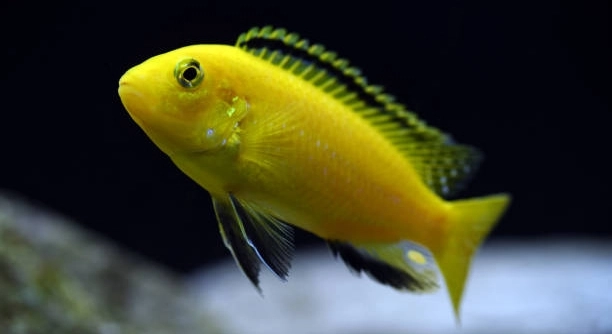
Do your cichlids sometimes look stressed or seem less active, even when you’re sure you’re doing everything right for them?
Improving water quality for cichlids requires maintaining stable parameters, reducing toxins, and supporting beneficial bacteria. Clean, balanced water directly influences their health, color, breeding success, and lifespan, making it a top priority for any cichlid keeper.
Maintaining a healthy tank doesn’t need to feel overwhelming—small changes can make a big difference for your fish and your routine.
Test Your Water Regularly
Keeping cichlids healthy starts with knowing what’s in their water. Regular water testing helps track ammonia, nitrite, nitrate, pH, and hardness. These fish need consistent levels to stay well. Ammonia and nitrite should be at zero, while nitrate should remain below 40 ppm. pH and hardness depend on the species—African cichlids thrive in alkaline, harder water, while South American types prefer softer, slightly acidic water. Using test kits weekly can help you notice problems before they affect your fish. Make sure to write down the readings, so you can catch small changes over time. If something looks off, don’t wait to act.
Testing helps catch imbalances early and avoids stress-related illness. It also shows if your filtration system is working properly or if something in the tank needs adjusting.
Being consistent with testing gives you a clearer picture of your tank’s stability. It’s one of the simplest ways to keep your cichlids safe.
Keep the Filter Clean
A clean filter keeps water clear and removes waste before it builds up. Don’t let it clog or run too slow—maintenance matters.
Check the filter monthly and rinse mechanical media in used tank water, not tap water, to avoid killing helpful bacteria. Replace carbon as needed and keep biological media untouched unless it’s falling apart. Never clean all parts of the filter at once, as this can disrupt the nitrogen cycle. A filter that’s working properly supports clean, oxygen-rich water and limits the need for large water changes. If the flow slows or you notice debris, that’s a sign it’s time for a rinse. Filters are a backbone for stability in any tank. Cichlids are sensitive to waste and toxins, so their filter must always perform at its best. Keep an eye on the condition of sponges, pads, or bio balls—these parts work hard and should be well maintained.
Perform Regular Water Changes
Water changes remove waste, reduce nitrates, and refresh important minerals. Doing them weekly helps prevent water from becoming too dirty or unbalanced. Even if your tank looks clean, harmful substances can build up over time.
Replace 25–30% of the tank water every week using dechlorinated water that matches the temperature of your tank. This helps reduce stress on your cichlids and keeps their environment safe. Use a gravel vacuum during changes to remove trapped waste and leftover food. Avoid large, sudden changes that can shock your fish. Instead, be steady and gentle with your routine. Watch your fish after each water change to make sure they respond well. Regular small changes are more effective than occasional big ones, which can cause stress. If your fish seem more active or vibrant after a change, that’s a good sign you’re on the right track.
Consistency with water changes supports stronger immunity, healthier colors, and better breeding behavior. Cichlids respond well to stability, and clean water makes a big difference. Use buckets and tools only for your tank to avoid contamination. If your tap water contains high nitrate or phosphate levels, consider using reverse osmosis or pre-treated water. Monitoring how your tank responds can help fine-tune your routine over time.
Avoid Overfeeding
Extra food turns into waste, which increases ammonia and nitrate levels. Overfeeding stresses your filter, pollutes the water, and harms your fish. Feed small amounts once or twice a day, just what they can eat in under two minutes.
Choose food suited for your cichlid species and avoid floating flakes if they’re bottom feeders. Use a feeding schedule and stick to it. If you miss a feeding, don’t double the next one. Uneaten food settles in the substrate and quickly breaks down, raising toxin levels. Remove leftovers after feeding if needed. Some cichlids benefit from one fasting day per week to support digestion and reduce buildup in the tank. Be careful with treats—too many protein-heavy snacks can affect water quality. A clean tank often starts with proper feeding. Feeding less might feel wrong at first, but it helps keep both your fish and their environment healthier in the long run.
Avoid Overcrowding
Too many cichlids in one tank creates stress, leads to aggression, and makes it harder to keep water clean. Overcrowding also overwhelms your filter and raises toxin levels quickly, even with regular maintenance.
Keep stocking levels within safe limits based on your tank size and the adult size of your fish.
Use Proper Substrate and Decor
The right substrate helps maintain stable pH and supports the natural behavior of your cichlids. Sand works best for many species, especially those that like to dig. Crushed coral or aragonite can help buffer pH in African cichlid tanks. Use rocks or clay pots for hiding spots and territories. Avoid sharp decorations that could injure them. Decorations also reduce aggression by breaking up lines of sight. Clean your decor regularly to remove algae and waste buildup. Avoid overcrowding the tank with decor, as it may block water flow and reduce oxygen exchange. Keep it balanced and safe for daily movement and activity.
Add Live Plants When Suitable
Some cichlids uproot or eat plants, but others do well with hardy options like Anubias or Java fern. Live plants help absorb waste, support oxygen levels, and improve water quality naturally. Anchor them securely and watch how your fish respond.
FAQ
How often should I test the water in my cichlid tank?
Testing once a week is usually enough for most tanks. It helps you catch problems before they get serious. Test ammonia, nitrite, nitrate, pH, and hardness. If you’re cycling a new tank or dealing with health issues, test more often—every 2–3 days until things stabilize. Keep a log of your results to spot trends and make adjustments faster. Use liquid test kits instead of strips, as they’re more accurate. Always test before and after major changes like adding new fish, switching filters, or doing large water changes.
Can I use tap water for my cichlids?
Yes, but it must be treated first. Tap water usually contains chlorine or chloramine, which are harmful to fish. Always use a water conditioner to remove these chemicals. Also, check the pH and hardness of your tap water—some cichlids need specific conditions. African cichlids prefer harder, alkaline water, while South American species need softer, slightly acidic water. If your tap water doesn’t match their needs, you may need to use additives, peat, or reverse osmosis (RO) water to adjust it. Let the treated water sit until it reaches the same temperature as your tank before adding it.
What is the ideal temperature for cichlids?
Most cichlids do well in water between 76°F and 82°F. African cichlids often prefer it slightly warmer, around 78°F to 80°F, while South American species like angelfish or discus may need up to 82°F. A stable temperature is more important than the exact number. Use a reliable heater and a thermometer to keep it steady. Avoid placing the tank in areas where temperature can fluctuate, like near windows or vents. Sudden changes in temperature can stress your fish, weaken their immune system, and lead to illness. Always check the heater after water changes or power outages.
How do I know if my filter is working properly?
A healthy filter runs quietly and has a steady water flow. If the flow slows or you hear strange noises, it might be clogged. Check the outflow and clean the media if needed—but only in used tank water. If your tank smells bad, looks cloudy, or your fish act stressed, the filter may not be working right. Test water parameters to confirm. A working filter should keep ammonia and nitrite at zero. Also, be sure it matches your tank size. Undersized filters can’t handle large tanks or heavy bioloads, which leads to water quality problems.
Is it safe to keep live plants in a cichlid tank?
It depends on the species. Some cichlids love to dig and will uproot or damage plants. Others, like angelfish or dwarf cichlids, usually leave plants alone. Choose hardy plants such as Anubias, Java fern, or Vallisneria. Attach them to rocks or driftwood so they’re less likely to be disturbed. Live plants can help absorb nitrates, boost oxygen, and make the tank look more natural. Monitor your fish’s behavior—if they’re tearing up the plants, you may need to switch to artificial decor. Live plants also need light and occasional trimming, but they can improve water conditions when used properly.
Why is my cichlid tank always cloudy?
Cloudy water often points to overfeeding, poor filtration, or bacterial blooms. If the tank is new, the cloudiness might come from the cycling process. Check ammonia, nitrite, and nitrate levels. Cut back on feeding, and vacuum the substrate during water changes. Rinse your filter media in tank water and make sure it’s not clogged. Avoid cleaning everything at once, which can kill helpful bacteria. If the cloudiness is white or milky, it’s likely bacterial and should clear up with better maintenance. Green water often means excess light and nutrients—reduce lighting and consider adding live plants or a UV sterilizer.
Final Thoughts
Keeping water clean and stable is one of the most important parts of caring for cichlids. These fish are sensitive to sudden changes, and even small issues in water quality can affect their health, behavior, and appearance. A balanced tank doesn’t happen by accident—it’s the result of regular care, good habits, and understanding what your fish need. From checking water parameters to choosing the right filter and feeding properly, every small step adds up. Even if you’re just starting out, staying consistent with your routine can make a big difference over time. Healthy water means healthier fish, less stress, and fewer problems down the road.
Taking care of cichlids may feel challenging at first, but it gets easier as you go. Learning to test your water, avoid overfeeding, and perform regular water changes are habits that quickly become second nature. Once your tank is balanced, you’ll spend more time enjoying your fish and less time fixing problems. Watching cichlids thrive in a clean tank can be a rewarding part of the experience. Their colors become brighter, their behavior more active, and they interact more naturally with each other. A well-maintained tank also supports better breeding conditions and lowers the risk of disease.
Improving water quality is not about perfection. It’s about staying consistent and making small adjustments when needed. Every tank is different, and every cichlid species has its own preferences. Pay attention to how your fish behave—they often show signs when something is wrong. If you’re ever unsure, don’t be afraid to test the water or clean a little more often. Over time, you’ll learn what works best for your setup. Focus on steady improvements, and you’ll build a healthier environment for your cichlids. They depend on you to give them clean water, and with the right care, they’ll thrive for years to come.

Hello,
If you enjoy the content that we create, please consider saying a "Thank You!" by leaving a tip.
Every little bit helps us continue crafting quality advice that supports the health, happiness, and well-being of pets around the world, for pets of all shapes, sizes, and species.
We really appreciate the kindness and support that you show us!