
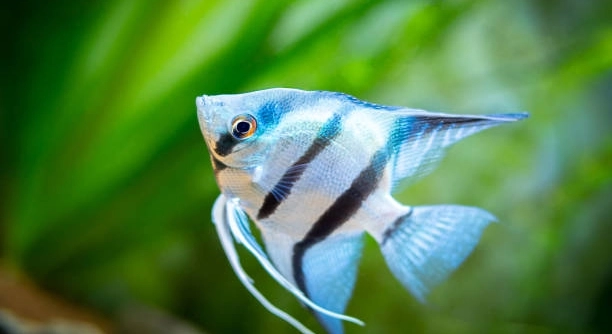
Angelfish are beautiful creatures that thrive in clean, healthy water. However, maintaining the right water quality can be a challenge. Knowing how to improve water conditions is key to ensuring their well-being and longevity in your tank.
Improving water quality for angelfish involves regular maintenance such as water changes, monitoring pH levels, and using proper filtration. Maintaining a clean tank environment ensures healthy angelfish by preventing disease and promoting overall well-being.
By following these steps, you can provide the best environment for your angelfish. This article will guide you through essential practices to improve your fish’s health with a simple, clear approach.
Regular Water Changes
Keeping your angelfish healthy starts with maintaining clean water. Regular water changes are the easiest and most effective way to prevent toxins from building up in the tank. Over time, waste from the fish, uneaten food, and other debris can affect water quality, leading to health issues. To avoid this, aim to change about 25-30% of the water every week. This ensures the fish are always swimming in fresh, clean water.
Changing the water regularly keeps harmful substances in check. It also helps maintain stable levels of essential minerals and nutrients. Be sure to use water conditioner to neutralize chlorine or chloramine found in tap water.
Remember that while large water changes are important, they should be done gradually. Drastic changes in water parameters can stress out your angelfish. It’s crucial to keep the temperature and pH levels consistent when performing water changes to maintain a stable environment.
Filtration System Maintenance
A good filtration system is essential for keeping water clean. The filter removes debris, excess food, and waste, helping to keep the tank clear of harmful substances. However, it’s important to maintain the filter regularly. Cleaning the filter every two weeks ensures it works effectively, preventing clogging and allowing water to circulate properly.
Regular maintenance of your filter also extends its lifespan. Always make sure to clean the filter media with water taken from the tank to avoid killing beneficial bacteria that help break down waste. Don’t over-clean, as this can remove too many helpful bacteria. Maintaining the filter ensures that the water stays cleaner for longer and prevents the growth of harmful microorganisms that can harm your angelfish.
Monitoring pH and Water Hardness
Maintaining the correct pH level and water hardness is crucial for angelfish health. Angelfish thrive in slightly acidic to neutral water, with a pH of around 6.5 to 7.5. Test the water regularly to ensure it remains within this range.
To adjust the pH, you can use buffers or natural methods like adding driftwood. Keep in mind that sudden changes in pH can stress your fish. Water hardness also plays a role, as soft water can lead to weakened immune systems. Aim for a hardness level between 3-8 dGH to keep your angelfish in optimal conditions.
Both pH and hardness can fluctuate due to factors like water changes and fish waste. Regular testing helps you catch any issues early. If the water is too soft or too hard, adjustments can be made gradually. Your fish will benefit from stable water chemistry, which supports overall health and vitality.
Temperature Regulation
Angelfish thrive in warm water, ideally between 75-80°F (24-27°C). Maintaining the right temperature is vital for their metabolism and immune system. A reliable aquarium heater is necessary to prevent fluctuations, which can stress the fish and lead to health problems.
Ensure that the heater is appropriately sized for the tank. Too small, and it won’t heat the water adequately; too large, and it might overheat the tank. Use a thermometer to keep track of the water temperature and adjust the heater as needed. Avoid placing the heater near the filter intake, as it could create temperature variations in different areas of the tank.
Stable water temperature is key for your angelfish’s comfort. Large temperature changes, even by a few degrees, can cause stress and weaken their immune system. By maintaining the right temperature, you’re giving your angelfish the best chance at staying healthy.
Proper Filtration
A good filtration system ensures that the water stays clean and free from toxins. Angelfish produce waste that can build up quickly, so a reliable filter is essential. Make sure to clean the filter regularly to prevent it from clogging and to maintain optimal water circulation.
Choosing the right filter for your tank size is crucial. A filter that is too weak won’t clean the water properly, while one that’s too strong could create excessive water flow, which might stress your angelfish. Find the right balance to keep the water clean without disturbing the fish.
Removing Excess Food
Excess food can quickly pollute the tank, affecting water quality. Be mindful of how much you feed your angelfish. Remove any uneaten food after a few hours to prevent it from decaying in the water. This reduces the risk of high ammonia levels and maintains a cleaner environment.
Feeding your angelfish in smaller, more frequent portions can help avoid waste buildup. Overfeeding is a common mistake, but by controlling the amount of food and cleaning up promptly, you’ll keep the water clearer and safer for your fish.
Aquarium Plants
Aquarium plants are an excellent way to improve water quality naturally. They help filter out toxins and provide oxygen for your angelfish. Healthy plants also reduce algae growth, which can cloud the water and affect its clarity.
Plants also serve as hiding spots for angelfish, providing them with a more comfortable and natural environment. Make sure the plants are well-maintained by trimming dead leaves and ensuring they get enough light.
FAQ
How often should I change the water in my angelfish tank?
Changing the water is essential for keeping the environment clean and healthy. It’s recommended to change 25-30% of the water every week. Regular changes help remove waste and prevent harmful toxins like ammonia and nitrate from building up, keeping the water in good condition. In between water changes, make sure to monitor the water parameters to ensure they are stable.
Can I use tap water for my angelfish tank?
Yes, you can use tap water, but it’s important to treat it before adding it to the tank. Tap water often contains chlorine or chloramine, which are harmful to fish. Use a water conditioner to neutralize these chemicals before adding the water. Additionally, make sure the temperature and pH of the tap water match the tank water to avoid stressing your angelfish.
What is the ideal temperature for angelfish?
Angelfish thrive in water temperatures between 75-80°F (24-27°C). It’s crucial to keep the temperature stable, as large fluctuations can stress your fish. Using an aquarium heater is the best way to maintain a consistent temperature. Make sure the heater is appropriate for your tank size and use a thermometer to check the water regularly.
How do I know if my angelfish are stressed?
Stress in angelfish can be caused by poor water quality, improper tank mates, or sudden changes in the environment. Signs of stress include erratic swimming, staying at the bottom or top of the tank, or hiding more than usual. If you notice these signs, check the water parameters and make sure the tank is a comfortable, safe space for your angelfish.
Can angelfish live with other fish?
Yes, angelfish can live with other fish, but it’s important to choose compatible tank mates. Avoid keeping them with overly aggressive or small fish that could be eaten. Good companions include other peaceful, similarly sized fish. Also, ensure the tank has enough space for everyone to avoid territorial disputes.
What should I feed my angelfish?
Angelfish are omnivores, so they need a balanced diet. Feed them a variety of high-quality flake or pellet foods, as well as live or frozen foods like brine shrimp or bloodworms. Make sure not to overfeed, as uneaten food can pollute the tank and affect water quality. Offer food in small portions and remove leftovers after a few hours.
Do angelfish need a lot of space?
Yes, angelfish need plenty of space to swim and grow. A minimum of a 30-gallon tank is recommended for a small group. If you’re keeping multiple angelfish, a larger tank will help reduce territorial behavior. Make sure your tank is spacious enough to accommodate your fish comfortably, with enough room for them to move freely.
How can I reduce algae in the tank?
Algae growth is common in aquariums, but it can be controlled. Start by reducing the amount of light your tank gets, as excessive light can promote algae growth. Regularly clean the tank and remove any visible algae from decorations or the glass. Adding live plants can also help by competing with algae for nutrients.
Can I use a UV sterilizer for better water quality?
Yes, a UV sterilizer can help improve water quality by killing harmful bacteria, parasites, and algae spores in the water. This can help keep the water clear and reduce the risk of disease. It’s a useful tool, but it should be used alongside regular tank maintenance, not as a replacement for water changes.
Why is the water cloudy in my angelfish tank?
Cloudy water is often caused by a buildup of waste, bacteria, or algae. It can also occur after setting up a new tank or making significant changes. If your tank is new, the cloudiness may be due to a bacterial bloom, which will usually clear up on its own after a few days. However, if it persists, check the filtration system, water changes, and feeding habits to address the underlying cause.
How can I prevent fish disease in my angelfish tank?
Maintaining good water quality is the most effective way to prevent diseases. Regular water changes, proper filtration, and monitoring pH and temperature will help keep your angelfish healthy. Additionally, quarantine new fish before introducing them to the main tank to avoid introducing diseases. Keep an eye on your fish for any signs of illness, such as abnormal behavior, discoloration, or lesions.
How do I test the water quality in my angelfish tank?
To monitor water quality, use test kits to check parameters like pH, ammonia, nitrite, nitrate, and water hardness. These kits are available at pet stores or online. Regularly test the water, especially if you notice changes in your angelfish’s behavior. Keeping track of the water’s chemistry ensures that your fish are living in optimal conditions.
Should I use an air pump for my angelfish tank?
An air pump is not strictly necessary for angelfish tanks, as long as you have proper filtration. However, an air pump can improve oxygen circulation, especially in larger tanks or tanks with poor water movement. It can also help prevent stagnant water and reduce the buildup of harmful gases. If you choose to use one, make sure it doesn’t create too much current, which can stress your angelfish.
Final Thoughts
Taking care of angelfish requires attention to detail, but the effort is well worth it for the health and happiness of your fish. Maintaining a clean and stable environment is essential, starting with regular water changes, monitoring the water parameters, and keeping the filtration system in good condition. The health of your angelfish depends on the quality of their surroundings, so staying on top of these tasks will help prevent many common issues. By ensuring the water temperature, pH, and hardness remain stable, your angelfish can thrive and live a long, healthy life.
It’s also important to remember that angelfish, like all pets, require time and patience. While water changes, feeding schedules, and regular monitoring may seem like a lot, they become second nature once you establish a routine. A healthy tank is a balanced tank, so take time to assess the needs of your fish and the environment you’ve created for them. Keeping a consistent schedule with feeding, cleaning, and testing will not only make your angelfish feel secure but will also reduce the chance of stress or illness.
Finally, don’t forget that a healthy aquarium is not just about the fish. The right plants, decorations, and even compatible tank mates play a role in the well-being of your angelfish. Plants help filter the water and provide a more natural habitat, while careful selection of other fish can prevent aggression and territorial issues. In the end, improving water quality and ensuring the right conditions for your angelfish requires a little effort, but it pays off in the form of vibrant, happy fish that will brighten up your home for years to come.

Hello,
If you enjoy the content that we create, please consider saying a "Thank You!" by leaving a tip.
Every little bit helps us continue crafting quality advice that supports the health, happiness, and well-being of pets around the world, for pets of all shapes, sizes, and species.
We really appreciate the kindness and support that you show us!