
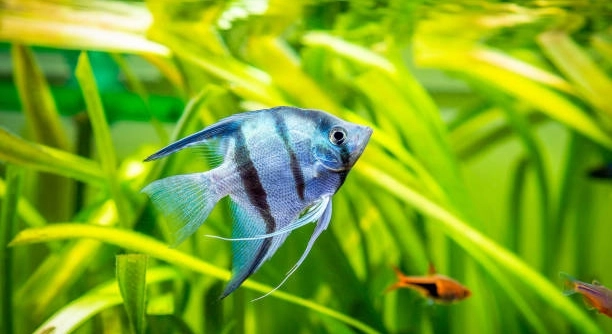
Maintaining clear water in an angelfish tank is essential for the health of your fish and the beauty of your aquarium. Cloudy or murky water can be a sign of various issues that need attention. It’s important to know how to handle this.
To improve water clarity, it is crucial to focus on proper filtration, regular water changes, controlling algae growth, and avoiding overfeeding. Additionally, managing the right stocking levels and using water conditioners can greatly help maintain a clean, healthy tank.
With the right approach, you can easily prevent murky water. The following tips will help you keep your angelfish tank clear and fresh, ensuring both your fish and the tank environment stay healthy.
1. Regular Water Changes
One of the most effective ways to keep water clear in an angelfish tank is through regular water changes. Dirty water can quickly accumulate waste, uneaten food, and other debris. Changing around 20-30% of the water every week will prevent the buildup of harmful substances. It also helps remove excess nutrients that could lead to algae growth, which can cloud the water. Make sure to use a siphon to vacuum the substrate as you drain the water. This helps remove hidden waste that could otherwise rot and affect the water quality. After refilling, always check the temperature of the new water to ensure it matches the tank’s. If the water is too cold or hot, it can stress the fish.
Changing water regularly also removes excess chemicals, helping to maintain the right balance of minerals and pH. This keeps your angelfish comfortable and ensures they can thrive in a clean environment. A good habit of replacing the water ensures a healthier tank over time.
With consistent water changes, you’ll avoid the need for more drastic actions. It is a simple, effective way to maintain clarity and overall fish health.
2. Proper Filtration
A reliable filtration system is essential for keeping your angelfish tank clear. Filtration works by removing waste particles, excess food, and other debris from the water, allowing it to remain clean. Without it, waste will quickly accumulate, and the water will get murky.
Invest in a high-quality filter that is properly sized for your tank. A filter that is too small won’t be able to handle the workload, while an oversized filter may disrupt the tank’s current setup. Make sure to clean the filter regularly, as clogged filters lose efficiency.
The filter should be placed in a spot that allows good water circulation throughout the tank, ensuring that debris is effectively removed. Consider a filter with both mechanical and biological filtration. The mechanical aspect traps visible debris, while the biological aspect supports good bacteria that break down harmful substances like ammonia. A balanced filtration system ensures both water clarity and fish health.
3. Control Algae Growth
Algae can make your tank water look green and murky. Too much light, overfeeding, and excess nutrients can encourage algae growth. It’s important to control these factors to prevent an algae bloom.
Reduce the amount of time your tank lights are on to about 8-10 hours a day. If you have strong lighting, consider using a timer to ensure it doesn’t stay on too long. Also, avoid overfeeding your angelfish. Leftover food that sinks to the bottom decays, raising nutrient levels that promote algae.
Using live plants in your tank can help by competing with algae for nutrients. They absorb extra nutrients that algae would otherwise thrive on, keeping the balance in your tank. Regularly remove any visible algae with an aquarium-safe scraper, especially from surfaces like glass or decorations. This keeps the tank looking clean and clear.
4. Avoid Overfeeding
Overfeeding is one of the most common causes of cloudy water. When too much food is given, it isn’t consumed, and the uneaten portions break down in the water. This leads to excess nutrients that fuel algae growth and poor water quality.
Feed your angelfish small amounts that they can eat in a few minutes. The goal is to prevent leftover food from rotting in the tank. It’s better to feed your fish multiple smaller meals per day rather than one large meal. This approach helps ensure they don’t consume too much at once.
You can also monitor the water after feeding and remove any uneaten food. Using a siphon to vacuum the substrate is a good way to clear leftover food or waste. Regularly keeping track of how much food your fish eat ensures a cleaner tank, promoting better water clarity.
5. Use Water Conditioners
Water conditioners can improve water quality by neutralizing harmful chemicals like chlorine and chloramine found in tap water. These chemicals can irritate your angelfish and cause water clarity issues.
Adding a conditioner to your water before putting it into the tank can ensure it’s safe for your fish. Always follow the instructions on the product label to avoid overuse.
Water conditioners also help with removing heavy metals and neutralizing excess nutrients that contribute to cloudiness. They improve overall water quality, which directly affects your tank’s appearance. Regular use of conditioners is especially important when performing water changes.
6. Maintain Proper Stocking Levels
Overcrowding can quickly lead to poor water quality. Too many fish in a tank create excess waste, leading to cloudy water and potential health problems.
Monitor the number of fish in your tank to ensure there’s enough space for everyone. Angelfish are peaceful but need plenty of room to swim and thrive. Keep in mind the recommended number of fish for your tank size. Regularly check that your filtration system is appropriately sized to handle the waste produced by the fish.
7. Clean the Tank Regularly
Regular tank maintenance is essential for keeping your water clear. Use a soft sponge or cloth to wipe down surfaces, including decorations, plants, and the tank glass.
Cleaning the tank helps remove biofilm, debris, and algae that naturally build up over time. This will not only improve the appearance of the tank but also prevent water quality from deteriorating. When cleaning, always be gentle to avoid stressing your angelfish or disturbing the substrate too much.
FAQ
How often should I change the water in my angelfish tank?
It’s recommended to change 20-30% of the water in your angelfish tank every week. Regular water changes help remove waste, toxins, and excess nutrients that contribute to cloudy water. If the water looks particularly murky or there is an ammonia spike, you may need to do a larger water change. Always use a siphon to vacuum the substrate, as debris can accumulate there and affect the water quality.
What kind of filter is best for an angelfish tank?
For an angelfish tank, a filter that provides both mechanical and biological filtration is ideal. It’s important to choose a filter that is properly sized for your tank. A filter that’s too small won’t keep up with waste and debris, while an oversized filter can create strong currents that may stress the fish. A gentle filter with good flow control is best, as angelfish prefer calm waters. Make sure to clean the filter regularly to maintain its efficiency.
How do I prevent algae from growing in my tank?
To prevent algae growth, control the light exposure in your tank. Keep the light on for no more than 8-10 hours a day. Overfeeding your fish can also contribute to algae, as uneaten food increases nutrient levels in the water. Additionally, using live plants can help by competing with algae for nutrients. Regularly scrape any visible algae off surfaces, and consider adding an algae-eating fish to help control it.
Is it okay to overfeed angelfish?
Overfeeding angelfish is a common mistake and can lead to cloudy water. Leftover food that isn’t eaten breaks down and contributes to excess nutrients in the water, which can fuel algae growth. Angelfish should be fed small portions that they can consume in a few minutes. If there’s food left over, remove it with a net or siphon. It’s better to feed your angelfish multiple smaller meals throughout the day than one large feeding.
Can I use tap water for my angelfish tank?
Tap water can be used, but it’s important to treat it before adding it to your tank. Tap water often contains chlorine, chloramine, and other chemicals that can be harmful to your fish. Using a water conditioner will neutralize these chemicals and make the water safe for your angelfish. Always check the water temperature before adding it to the tank to avoid shocking your fish with water that is too cold or hot.
Why is my angelfish tank still cloudy after a water change?
If your tank remains cloudy after a water change, it could be due to a few reasons. One possibility is a bacterial bloom, which can happen when there’s an imbalance of nutrients or waste in the tank. This usually clears up on its own after a few days. Another possibility is that the filter is not functioning properly or is too small for the tank size. Make sure to check your filter and clean it regularly. If the cloudiness persists, check for other water quality issues, like high ammonia or nitrate levels.
How do I control the pH level in my angelfish tank?
Angelfish prefer slightly acidic to neutral water with a pH range of 6.5 to 7.5. To maintain this, you can use pH control products or natural methods like adding driftwood, which can lower pH over time. It’s important to monitor pH levels regularly with test kits and make gradual adjustments. Rapid changes in pH can stress your angelfish, so avoid making drastic alterations.
Do I need to add aquarium salt to my angelfish tank?
While angelfish do not require aquarium salt, it can be used to help treat certain health conditions, like external parasites or wounds. However, salt should be used sparingly, as it can affect the tank’s water chemistry and harm plants. Always follow the recommended dosage and avoid long-term use unless necessary for treatment.
Can I use a sponge filter for an angelfish tank?
Yes, sponge filters are suitable for angelfish tanks, especially in smaller or breeding setups. They provide gentle filtration without strong currents, which angelfish prefer. However, sponge filters might not be powerful enough for larger tanks with many fish. Be sure to choose a sponge filter with sufficient capacity for your tank size.
How do I know if my angelfish is stressed?
Stressed angelfish may show signs such as fading colors, erratic swimming, or hiding more than usual. They may also have a reduced appetite or swim near the surface of the tank, gasping for air. Poor water quality, overstocking, or sudden changes in the environment can all cause stress. Monitoring water parameters and ensuring your tank setup meets the needs of your angelfish can help reduce stress.
Final Thoughts
Keeping your angelfish tank clear and healthy requires some effort, but it’s well worth it for the overall well-being of your fish. Regular maintenance like water changes, proper filtration, and controlling algae growth will keep the water looking clean. Small changes like not overfeeding your fish or using water conditioners can make a big difference in water clarity. By keeping the tank environment stable, you can prevent many of the issues that lead to cloudy water, ensuring a comfortable space for your angelfish to thrive.
In addition to maintaining water quality, it’s important to be mindful of your tank’s ecosystem. Angelfish are peaceful but need a well-balanced environment. Overcrowding, for example, can quickly lead to water quality issues, as more fish mean more waste. Monitoring stocking levels and using the right filtration system are crucial steps to maintaining a healthy tank. Regularly check your equipment, such as filters and heaters, to ensure they’re working efficiently and effectively.
Ultimately, a clear tank means happy, healthy angelfish. Keeping your tank clean doesn’t need to be complicated, but it does require consistency. By following these tips and paying attention to your water quality, you’ll create an environment where your angelfish can thrive. A well-maintained tank is not only better for the fish but also more enjoyable to look at. With just a few small adjustments, you can ensure that both the fish and the tank remain in great condition.

Hello,
If you enjoy the content that we create, please consider saying a "Thank You!" by leaving a tip.
Every little bit helps us continue crafting quality advice that supports the health, happiness, and well-being of pets around the world, for pets of all shapes, sizes, and species.
We really appreciate the kindness and support that you show us!