
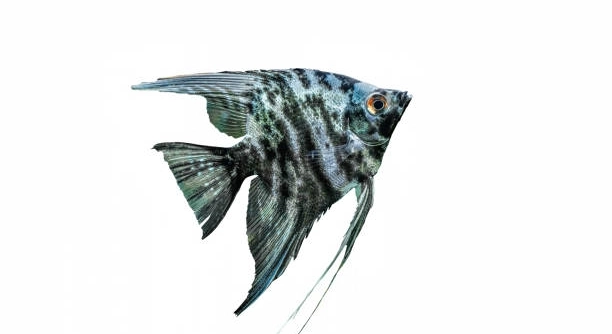
Do your angelfish tanks suffer from cloudy or murky water? This issue is common for many aquarists, but it can be easily resolved with some simple steps to enhance water clarity. Keeping the water clean and clear is important for the health and well-being of your fish.
Improving water clarity in an angelfish tank involves several key practices. These include maintaining proper filtration, performing regular water changes, avoiding overfeeding, using water clarifiers, and controlling algae growth. Proper tank maintenance ensures your fish thrive in a clean environment.
By following these steps, you can maintain crystal-clear water for your angelfish. These straightforward tips will also help prevent future problems, keeping your tank clean and your fish happy.
Maintain Proper Filtration
Filtration is key to keeping your angelfish tank water clean and clear. A good filter will remove waste particles, debris, and excess food. When choosing a filter, make sure it’s appropriate for the size of your tank and the number of fish. A high-quality filter ensures that the water stays clear for a longer time.
A filter can only do so much, so make sure to clean or replace filter media regularly. Dirty filter media can trap bacteria, clog up the filter, and contribute to cloudy water. Check it monthly to maintain optimal filtration.
The filtration system should be strong enough to keep water circulating but not so powerful that it creates excessive current. Angelfish prefer calm water, so the filter should provide gentle circulation. Regular filter maintenance is essential to prevent it from becoming a breeding ground for harmful bacteria, which can lead to poor water quality.
Perform Regular Water Changes
Water changes are essential in removing toxins that build up in the tank. Changing 20-25% of the water every week helps to maintain water clarity. Avoid using tap water directly as it may contain chlorine or other chemicals harmful to your fish.
When performing a water change, be sure to use a water conditioner to remove chlorine and chloramine. It’s a good idea to match the temperature of the new water to the tank’s water to prevent shock to your angelfish. Regular changes keep your water fresh and healthy.
In addition to improving water clarity, water changes help keep the water chemistry balanced. Angelfish thrive in stable conditions, so consistency in water changes is vital. Be sure to clean the substrate during water changes to remove any uneaten food or waste that can contribute to cloudy water.
Avoid Overfeeding
Overfeeding is one of the main reasons tanks become cloudy. Excess food that isn’t eaten by the fish breaks down in the water, creating waste and excess nutrients. This can lead to a rise in ammonia levels, which clouds the water and harms your fish’s health.
It’s important to only feed your angelfish what they can consume in a few minutes. Any uneaten food should be removed after feeding. Regularly inspect the substrate for leftover food that might be hidden, contributing to poor water quality.
Overfeeding not only affects water clarity but also encourages algae growth. When there is an overabundance of nutrients in the tank, algae thrive and can quickly turn your aquarium into a green, cloudy mess. Reducing feeding is one of the easiest and most effective ways to clear the water.
Use Water Clarifiers
Water clarifiers help remove tiny particles suspended in the water, making it clearer. These products bind with the particles, allowing them to be filtered out more easily. While they can help improve clarity in the short term, they shouldn’t replace regular maintenance practices like water changes and proper filtration.
Clarifiers are especially useful in tanks that experience cloudiness caused by organic particles or algae blooms. They are often made from natural minerals and can clear up water without harming the fish. However, it’s important to follow the instructions carefully to avoid using too much.
While water clarifiers are effective, they don’t solve the root cause of water clarity issues. If your water remains cloudy, the problem may lie in other factors like overfeeding, inadequate filtration, or the presence of excess nutrients. Use clarifiers as part of an overall maintenance routine.
Control Algae Growth
Excessive algae growth leads to murky water, blocking light and creating an unhealthy environment. Controlling algae is a vital step to improving water clarity. Ensure your tank is not exposed to too much light, as this encourages algae to thrive.
One of the most effective ways to reduce algae is to limit the amount of light your tank receives. A timer can help regulate the lighting, ensuring your tank gets only the necessary light. Also, avoid placing your tank in direct sunlight.
Another way to control algae is by adding algae-eating fish like Siamese algae eaters or nerite snails. These creatures will help keep algae in check, reducing the need for manual cleaning. In addition, keeping the tank’s water parameters in balance will prevent algae from blooming.
Add Live Plants
Live plants are an excellent way to improve water clarity. They absorb excess nutrients, particularly nitrates and phosphates, which can lead to cloudy water. Additionally, plants help oxygenate the water, contributing to a healthier tank environment for your angelfish.
Adding plants can also provide hiding spots and a more natural feel for your fish. Plants like Java fern, Anubias, and Amazon swords are easy to maintain and thrive in most tank conditions. By introducing plants into your aquarium, you create a natural filtration system that works with your regular maintenance routine.
Live plants help balance the tank’s ecosystem. They not only enhance water quality but also reduce algae growth by competing for nutrients. This makes them a practical addition to any angelfish tank.
Use a Proper Tank Cover
Using a tank cover helps keep debris, dust, and dirt out of the water. A good cover prevents any unwanted particles from floating into the tank, reducing the chances of water becoming cloudy. This simple step contributes to keeping the tank clean for longer periods.
A proper tank cover also prevents fish from jumping out of the aquarium, which can be a concern, especially with angelfish. Covers are available in various materials and can help maintain a consistent water temperature by reducing evaporation. Choose a cover that allows for proper ventilation while protecting the tank from outside contaminants.
Maintain Consistent Water Temperature
Angelfish are sensitive to temperature fluctuations. Keeping the water temperature stable is key to their overall health and water clarity. Sudden changes can stress the fish, leading to increased waste and a decrease in water quality.
A reliable heater and thermometer are essential tools for maintaining consistent water temperature. Ensure the heater is appropriate for the size of your tank and that it operates within the recommended range for angelfish, typically between 76-82°F (24-28°C).
FAQ
What causes cloudy water in angelfish tanks?
Cloudy water in angelfish tanks is usually caused by excess waste, uneaten food, or an imbalance in the tank’s filtration system. When leftover food breaks down or organic material builds up, it can lead to high levels of ammonia or nitrites, which cloud the water. Poor filtration or not performing regular water changes can also contribute to murky water. Additionally, algae blooms or overfeeding are common causes of cloudy water.
How often should I clean the filter in my angelfish tank?
Cleaning the filter depends on the type of filter and the size of your tank, but it should be checked and cleaned at least once a month. If you have a heavily stocked tank or if you’re noticing poor water quality, it may need cleaning more often. Always rinse the filter media in tank water, not tap water, to avoid killing beneficial bacteria. If the filter becomes clogged or inefficient, replace the filter media or the entire filter.
Can water clarifiers help clear up cloudy water?
Yes, water clarifiers can be helpful for clearing up cloudy water caused by small particles or algae. They work by binding with tiny particles in the water, which makes them easier to filter out. However, water clarifiers should only be used as a temporary fix, not as a long-term solution. It’s important to address the underlying issues, like overfeeding or poor filtration, to ensure long-lasting clarity.
How can I prevent algae from growing in my angelfish tank?
Controlling algae growth starts with reducing excess nutrients in the water. Overfeeding is a primary cause of algae blooms, so feed your fish only what they can consume in a few minutes. Limit the amount of light your tank gets, as algae thrive in bright conditions. Using algae-eating fish or snails can also help keep algae under control. Additionally, perform regular water changes to maintain balance and avoid nutrient buildup.
What’s the best way to clean the substrate?
Cleaning the substrate is essential to maintain water quality. You can use a gravel vacuum during water changes to remove waste and leftover food from the substrate. Make sure to clean it gently so as not to disturb the tank’s ecosystem too much. For tanks with live plants, avoid over-scrubbing the substrate, as it can disrupt plant roots. Cleaning the substrate regularly helps prevent cloudy water caused by organic debris buildup.
How do I know if my angelfish are stressed from poor water quality?
Angelfish show signs of stress from poor water quality through erratic swimming, lethargy, or lack of appetite. They may also exhibit faded colors or display unusual behaviors like gasping at the surface or hiding more than usual. If you notice any of these symptoms, it’s important to check water parameters like ammonia, nitrites, and pH. Poor water quality can lead to illness and a decline in the overall health of your fish.
Can I use live plants to improve water clarity?
Yes, live plants can help improve water clarity by absorbing excess nutrients such as nitrates and phosphates. These nutrients are often responsible for algae growth, which clouds the water. Live plants also produce oxygen and create a more natural environment for your angelfish. Some easy-to-care-for plants include Java fern, Anubias, and Amazon sword, all of which thrive in angelfish tanks and contribute to better water quality.
What are the best filter types for angelfish tanks?
For angelfish tanks, a hang-on-back (HOB) filter or canister filter is ideal, as they provide strong filtration without creating too much water movement. Angelfish prefer calm water, so it’s important to select a filter that provides effective filtration without creating strong currents. A good filtration system will remove debris, excess food, and waste, ensuring cleaner, clearer water. The filter should also be appropriate for the size of your tank to handle the bio-load effectively.
How can I balance the water chemistry for my angelfish?
Angelfish thrive in slightly acidic to neutral water with a pH range of 6.5 to 7.5. To maintain proper water chemistry, regularly test the pH, ammonia, nitrite, and nitrate levels. Perform regular water changes to keep nitrates at safe levels and use a water conditioner to remove chlorine and chloramines from tap water. You can also use natural materials like driftwood to slightly lower the pH or add a pH buffer if needed.
Why is my angelfish tank still cloudy after water changes?
If your tank remains cloudy after water changes, there could be several reasons. The filter might be undersized or not functioning properly, so it isn’t removing waste efficiently. Overfeeding or uneaten food could be contributing to the cloudiness. Another possibility is an algae bloom or a bacterial bloom, both of which can cause cloudiness. Ensure you’re addressing the root cause, such as improving filtration, adjusting feeding habits, and controlling light exposure.
What are the signs of overfeeding in angelfish?
Overfeeding is a common issue that can lead to cloudy water and unhealthy fish. Signs of overfeeding include uneaten food left in the tank, which decomposes and causes water quality issues. Additionally, if your angelfish are not eating as much as usual or if there is an increase in algae growth, it could be a sign that too much food is being provided. To prevent this, only feed your fish what they can consume within a few minutes and remove any leftover food.
Final Thoughts
Maintaining clear water in an angelfish tank is essential for the health of your fish and the overall appearance of your aquarium. Cloudy water can be caused by several factors, including excess waste, overfeeding, inadequate filtration, and poor water chemistry. By understanding these causes, you can take steps to improve and maintain water clarity. Regular water changes, proper filtration, and avoiding overfeeding are the foundation of good tank maintenance. Additionally, using live plants and controlling algae growth can provide natural solutions to improve water quality.
It’s important to remember that maintaining a clean tank requires consistency. One-off actions, like using water clarifiers, may clear up cloudiness temporarily, but they won’t solve the underlying problem. Regularly check your tank’s filtration system, perform water changes, and monitor feeding habits. By sticking to a routine, you can prevent water quality issues from affecting your fish. Angelfish, like all aquatic pets, thrive in stable environments where their water conditions are balanced, and their needs are met.
If you’re still dealing with cloudy water despite following these steps, it’s important to reassess your tank setup. Maybe your filter is too weak or needs cleaning, or perhaps you’re not using the right lighting or plant setup to control algae. Keep monitoring the water parameters regularly and make necessary adjustments. Over time, you’ll gain a better understanding of what works best for your tank, and maintaining clear water will become second nature. With patience and a consistent maintenance routine, you can provide a healthy, beautiful environment for your angelfish.

Hello,
If you enjoy the content that we create, please consider saying a "Thank You!" by leaving a tip.
Every little bit helps us continue crafting quality advice that supports the health, happiness, and well-being of pets around the world, for pets of all shapes, sizes, and species.
We really appreciate the kindness and support that you show us!