
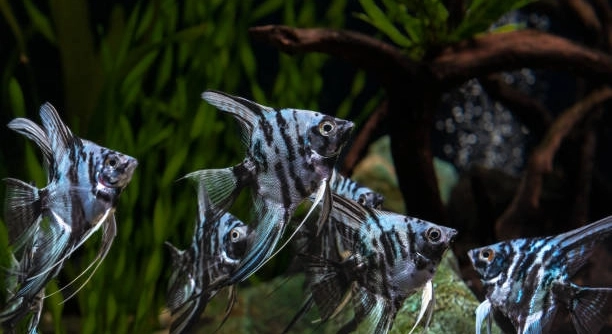
Proper water circulation is crucial for the health of your angelfish tank. A lack of circulation can lead to poor water quality, impacting your fish’s well-being. In this article, we will explore seven ways to improve circulation.
To improve water circulation in your angelfish tank, it’s important to strategically position filters, add water pumps, and ensure the layout encourages consistent water flow. Keeping the tank clean and free from blockages will also aid circulation.
By understanding these methods, you can create an environment that supports your angelfish’s health and overall tank stability. Each tip will help you maintain a balanced and thriving aquatic space.
Positioning Your Filters Effectively
One of the simplest ways to improve water circulation is to position your filters correctly. Ideally, place the filter towards the back of the tank, near the water’s surface, to encourage movement. This placement allows the water to flow from the top and filter through the tank efficiently, preventing stagnant areas. Keep in mind that too much water movement might stress your angelfish, so adjust the flow to create a balanced environment.
You may want to experiment with different filter positions to see how the water moves. Testing this will help you identify the best configuration for even circulation across the entire tank.
The size of the filter also matters. Too small, and it may not push enough water throughout the tank, while a large filter could disrupt the tank’s current, especially in a smaller setup. Choose a filter that suits the tank’s size and ensure it covers all areas without overwhelming the fish. Properly maintaining the filter and cleaning it regularly will also keep water flowing efficiently, preventing clogging that could hinder circulation.
Adding Water Pumps for Extra Flow
Water pumps are a great addition to boost circulation. They’re especially helpful for larger tanks or tanks with a lot of plants or decorations that could obstruct water flow.
Adding a pump to the tank helps create steady movement throughout, ensuring oxygen reaches all parts of the tank. This promotes the health of your fish and other aquatic life. The right pump can also reduce the chance of dirty spots where debris and waste tend to gather.
Make sure the pump you choose is suitable for the size of your tank. Pumps are available in a variety of sizes and strengths, so choosing one that creates a gentle but consistent flow is key for keeping your angelfish comfortable. You don’t need to get the most powerful pump; a medium-strength one is usually enough. Just keep the flow rate in mind when selecting, as an overly strong current can stress the fish. Adjust the pump speed if possible, to fine-tune the water movement.
Use Surface Agitation for Better Flow
Surface agitation is a simple yet effective way to improve water movement. It allows oxygen to dissolve into the water, promoting better fish health. Creating slight ripples on the water’s surface also helps to break down film that can form from organic buildup.
To achieve surface agitation, position your filter or water pump near the top of the tank, ensuring the flow disturbs the water’s surface. This helps increase oxygen exchange, which is especially beneficial for angelfish. A gentle flow works best to keep the surface moving without causing too much disruption.
When choosing the right position, make sure the water doesn’t create harsh currents that could stress the fish. Experiment with the flow rate to get the best balance between agitation and comfort for your angelfish. Small adjustments can make a big difference in maintaining a healthy and active environment. Keep in mind that surface agitation is just one part of the equation for improving circulation.
Avoid Obstructions in the Tank
Decorations, plants, and other elements in your tank can interfere with water flow. It’s important to avoid overcrowding the tank with items that restrict the movement of water. Too many objects can cause dead spots where water circulation is limited, leading to poor water quality.
When setting up your tank, consider the space around your decorations and plants. Leave enough room for water to flow freely between them. If you notice certain areas where debris tends to accumulate or where water seems stagnant, try rearranging items to allow for better circulation. Moving large decorations or trimming plants can help improve water movement.
It’s also important to periodically reassess the layout of the tank. As plants grow and decorations settle, the water flow dynamics can change. Regularly check for areas that could benefit from better circulation. Even small changes can lead to big improvements in your angelfish’s environment, helping maintain both water quality and fish health.
Monitor Water Temperature
Maintaining a stable water temperature is crucial for good circulation. Temperature fluctuations can impact water movement and fish health. It’s important to keep the tank at a consistent temperature that suits your angelfish.
Use a reliable heater and thermometer to monitor water temperature regularly. Aim for a range that keeps the water at an optimal level for both fish and circulation. Stable temperatures support healthy water flow and reduce stress on your angelfish.
Temperature fluctuations can cause water density changes, which impact how water moves through the tank. If your tank is too cold, the water might become denser, hindering circulation. On the other hand, warmer water is less dense and can promote better flow.
Clean Your Tank Regularly
Regular cleaning is a simple yet effective way to keep the water flowing smoothly. Tank maintenance, such as removing debris and vacuuming the substrate, ensures that waste doesn’t build up and block circulation.
Be sure to clean your filter as well. Filters can get clogged with debris, reducing their effectiveness in promoting good water flow. Regularly changing a portion of the water also helps keep the circulation steady, ensuring the system works efficiently and stays clean.
Check for Proper Water Flow
Checking the water flow often helps you maintain a good circulation system. If the tank feels too stagnant or the water looks cloudy, it’s time to adjust the filters or water pump.
Monitoring the flow regularly prevents buildup of waste or detritus that could affect water quality. Ensuring proper flow ensures your angelfish remain healthy, comfortable, and active.
FAQ
What is the best water flow for angelfish?
Angelfish prefer a gentle to moderate water flow. Too strong a current can stress them out, while too little movement may lead to stagnant water. Positioning your filter or water pump in a way that creates light surface agitation without overwhelming the fish is ideal. Aim for a flow that mimics the natural conditions of their habitat, which are typically calm rivers or lakes. It’s a good idea to observe your angelfish’s behavior and adjust the flow accordingly. If they seem to be struggling against the current or hiding more than usual, it may be too strong.
How can I tell if the water circulation in my tank is insufficient?
If your tank has insufficient circulation, you might notice areas where debris or waste gathers more than usual. The water might also appear cloudy, as it isn’t moving enough to filter out particles. Angelfish might seem sluggish or spend more time near filter outlets, where water movement is more noticeable. Additionally, the water’s surface may appear still, with no ripples or movement. If you observe any of these signs, it’s likely time to improve circulation by repositioning equipment or adding a pump to boost flow.
Can too much water flow harm my angelfish?
Yes, too much water flow can stress your angelfish. While they need some current to help with oxygen exchange, excessive flow can make them struggle to swim and may cause fatigue. If the water movement is too strong, your angelfish may seek refuge behind decorations or in corners where the flow is less intense. The key is to find a balance — moderate flow is ideal, allowing the angelfish to swim comfortably without being pushed around. You can adjust your filter or pump settings to regulate the water speed.
How often should I clean the filters to maintain good water circulation?
Cleaning your filter is crucial to maintaining good water circulation. A clogged filter can hinder water flow and reduce the effectiveness of the filtration system. Depending on your tank’s size and the type of filter, aim to clean it every 2 to 4 weeks. Be sure to check it more frequently if you notice reduced water movement or a buildup of debris. While cleaning, rinse the filter media in aquarium water, not tap water, to preserve beneficial bacteria. If your filter is visibly dirty or noisy, it’s time for a more thorough clean.
What are the best types of filters for improving water circulation?
For angelfish tanks, sponge filters, canister filters, and hang-on-back (HOB) filters are often the best options. Sponge filters provide gentle filtration and are less likely to create too much current, which is ideal for angelfish. Canister filters are powerful and efficient, providing excellent filtration and water movement, but you’ll need to adjust the flow rate if it’s too strong. HOB filters are a good choice for smaller tanks, offering moderate flow and effective filtration. Choose a filter based on your tank’s size and make sure it provides the right flow for your angelfish.
Is surface agitation really necessary for water circulation?
Surface agitation plays an important role in improving water circulation. It helps to break the surface tension, allowing oxygen to dissolve into the water more efficiently. This is crucial for your angelfish’s health, as they rely on oxygen-rich water to thrive. Light ripples on the surface also prevent the buildup of organic film that can lead to poor water quality. However, you don’t need aggressive agitation — a gentle surface movement is enough. You can achieve this by adjusting the filter or adding a small water pump near the top.
What should I do if there are dead spots in my tank where water doesn’t flow?
Dead spots, areas where water doesn’t circulate, can lead to debris and waste buildup, which negatively affects water quality. To address this, consider rearranging your tank’s layout to allow for better flow. Move large decorations or plants that may be obstructing the water’s movement. If the dead spots are still a problem, adding an additional water pump can help. Positioning the pump in the areas with weak flow will ensure a more even circulation throughout the tank. Regular cleaning and maintenance will also prevent debris from accumulating in these areas.
Can water temperature affect circulation?
Yes, water temperature can influence circulation. Warmer water is less dense and will move more easily than colder water. If the tank is too cold, it might create thicker, denser water that resists movement, causing circulation problems. Conversely, if the water is too warm, the fish may become stressed. Keeping your tank within the optimal temperature range (typically 74-82°F for angelfish) ensures that the water maintains an ideal flow while promoting the health of your fish. A stable temperature will also reduce the risk of sudden fluctuations that could affect circulation.
How can I improve water circulation in a heavily planted tank?
In a heavily planted tank, circulation can be trickier because plants naturally slow down water movement. To improve flow without disturbing the plants too much, consider using a low-flow pump or adjusting the filter placement to avoid disturbing plant roots. Using a spray bar attachment on the filter helps disperse the water more evenly across the tank, reducing the risk of creating high-current zones. You may also need to trim back some plants that are growing too large and blocking the flow. Regular maintenance of both the plants and the filtration system will help ensure healthy circulation in a planted tank.
Final Thoughts
Maintaining proper water circulation in your angelfish tank is essential for the health and well-being of your fish. Good water flow helps to distribute oxygen evenly throughout the tank, ensuring that your angelfish have the resources they need to thrive. Without proper circulation, the water can become stagnant, leading to poor water quality and a buildup of waste that can harm your fish. Whether you are adjusting your filter, adding a water pump, or simply rearranging the layout, these small changes can make a big difference in creating a balanced and thriving aquarium environment.
It’s also important to remember that water circulation isn’t just about speed. While a moderate flow is important for angelfish, it’s also essential to ensure that the current isn’t too harsh. Angelfish are delicate and prefer calmer waters, so overly strong currents can cause stress and fatigue. By carefully positioning filters, pumps, and decorations, you can create a natural environment that mimics the calm waters of their native habitats. Always keep an eye on your fish’s behavior — if they’re hiding too much or swimming erratically, it may be a sign that the flow is too strong.
Finally, regular maintenance is key to keeping your water circulation working well. Cleaning your filters, checking for obstructions, and monitoring the health of your tank should be done routinely. It’s also crucial to ensure that the water temperature stays stable, as fluctuations can impact circulation and overall tank health. A little effort in maintaining these systems will go a long way in making sure your angelfish have a comfortable and healthy environment. By understanding how water circulation affects your tank, you can make informed decisions that will benefit both your fish and the overall aquarium ecosystem.

Hello,
If you enjoy the content that we create, please consider saying a "Thank You!" by leaving a tip.
Every little bit helps us continue crafting quality advice that supports the health, happiness, and well-being of pets around the world, for pets of all shapes, sizes, and species.
We really appreciate the kindness and support that you show us!