
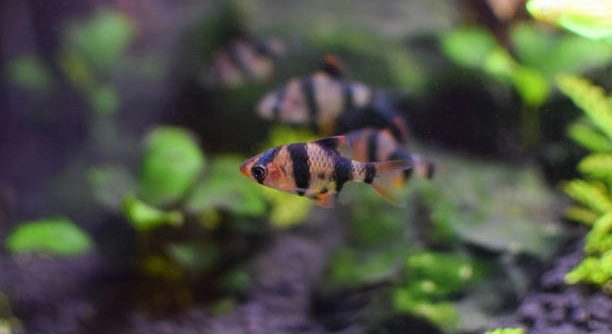
Tiger barbs are popular freshwater fish known for their lively behavior and striking colors. Many aquarists enjoy breeding them but often face challenges with breeding success. Improving breeding rates takes some attention to their environment and care routines.
To improve tiger barb breeding rates, focus on providing optimal water conditions, balanced nutrition, appropriate tank setup, and managing stress levels. Ensuring good water quality, suitable temperature, and proper diet directly impacts their reproductive health and increases fry survival.
These practical tips will help you create a better environment for breeding tiger barbs. Small adjustments can lead to noticeable improvements in their spawning and fry growth.
Provide Optimal Water Conditions
Maintaining clean, stable water is key to successful tiger barb breeding. These fish thrive in slightly acidic to neutral water, with a pH between 6.0 and 7.0. Keeping the temperature steady around 75 to 79°F (24 to 26°C) encourages spawning behavior. Regular water changes, about 20-25% weekly, help keep nitrate levels low and oxygen high. Avoid sudden changes in water chemistry, as this stresses the fish and lowers breeding chances. Using a gentle filter ensures good water flow without harming the delicate fry. Adding some live plants or spawning mops gives tiger barbs places to hide and lay eggs safely. Monitoring water parameters with test kits is essential to catch any imbalances early. Consistency in water conditions supports healthier fish and higher breeding success. It’s important to avoid overcrowding, as this can reduce water quality quickly. Careful attention to the tank environment lays the foundation for good breeding results.
Clean, balanced water supports fish health and triggers natural breeding behaviors in tiger barbs, which increases the likelihood of successful spawning and fry survival.
Maintaining the right water parameters not only encourages tiger barbs to spawn but also protects the eggs and fry. Clean water reduces fungal infections on eggs and prevents diseases that can affect young fish. Regular testing and water changes ensure the environment remains suitable over time. Incorporating gentle aeration and hiding spots further improves comfort for both adults and fry. A stable tank environment means less stress and more chances for tiger barbs to breed naturally and raise healthy offspring.
Feed a Balanced and Varied Diet
Providing a nutritious diet plays an important role in tiger barb breeding success. Feeding a mix of high-quality flakes, pellets, and live or frozen foods like brine shrimp or bloodworms helps prepare them for spawning. Protein-rich foods improve egg quality and increase fertility. Feeding smaller amounts multiple times a day is better than one large feeding to avoid water pollution. Including plant matter such as spirulina flakes supports overall health. It’s also helpful to condition the breeding pair for several weeks with this diet before expecting eggs. Avoid overfeeding, which can lead to poor water conditions and stress. Healthy, well-nourished fish are more likely to spawn actively and produce viable eggs.
Good nutrition boosts reproductive health and increases the number of eggs and fry produced by tiger barbs.
Consistent feeding with a variety of nutritious foods ensures tiger barbs get the vitamins and minerals they need for spawning. Live foods stimulate natural hunting instincts, which encourages breeding behaviors. Conditioned fish have higher energy levels and better immune responses, which help during spawning and fry care. Balanced feeding also prevents nutritional deficiencies that can reduce fertility. Monitoring food intake and maintaining water quality through proper feeding habits supports a healthier tank environment. This approach helps achieve better breeding outcomes and stronger young fish.
Create the Right Tank Setup
A spacious tank with plenty of hiding spots helps tiger barbs feel safe enough to breed. Use plants, rocks, and driftwood to create a natural environment.
Providing adequate space reduces aggression among tiger barbs, which is common during breeding. A tank size of at least 20 gallons is recommended for a breeding pair and their fry. Dense plants or spawning mops give females a place to lay eggs, while hiding spots protect them from more aggressive males. Using a soft substrate like sand or smooth gravel prevents damage to eggs. Gentle water flow is important to keep water clean without disturbing the eggs. Avoid keeping tiger barbs with large or aggressive fish, as they may eat eggs or stress the adults. Keeping the breeding tank simple and well-planted encourages natural behavior and improves egg survival rates.
Monitoring the tank environment regularly helps you spot issues early. Adjusting lighting to a 12-hour day/night cycle can also promote breeding behavior. Consistency in the setup reduces stress and supports the health of both adults and fry. Avoid overcrowding to prevent competition and territorial disputes. A well-organized tank setup is a key step in improving breeding success.
Manage Stress Levels
Stress can severely reduce breeding chances for tiger barbs. Keeping a calm and stable environment is essential.
Stress in tiger barbs often comes from overcrowding, poor water quality, or sudden changes in their environment. Reducing noise and vibrations near the tank helps keep fish calm. Introduce new fish carefully and avoid frequent rearranging of the tank decor. Regular but gentle water changes maintain water quality without shocking the fish. Providing enough hiding places lowers stress, especially for females during spawning. Keeping compatible tank mates is also important, as aggressive fish can prevent breeding. Observing fish behavior closely helps identify stress signs early. Managing these factors supports a healthy, breeding-ready environment.
Separate the Breeding Pair
Separating a breeding pair from the main tank can increase their chances of spawning. It reduces stress and competition from other fish.
Isolation helps the pair focus on breeding without distractions. A smaller breeding tank with ideal conditions supports egg laying and fry survival.
Monitor and Remove Eggs
Check the tank regularly for eggs after spawning. Removing eggs to a separate tank can protect them from being eaten.
Careful handling of eggs improves their survival. Use a gentle siphon or soft brush to move eggs without damage.
Provide Proper Fry Care
Once the eggs hatch, feeding the fry small, frequent meals is vital. Use infusoria or finely crushed flakes to start.
Providing clean water and stable conditions supports healthy fry growth and development.
FAQ
How long does it take for tiger barb eggs to hatch?
Tiger barb eggs usually hatch within 24 to 36 hours after being laid, depending on the water temperature. Warmer water speeds up development, while cooler temperatures slow it down. After hatching, the fry remain attached to the yolk sac for a couple of days before they start swimming and feeding on their own.
Can tiger barbs breed in a community tank?
Breeding tiger barbs in a community tank is possible but not ideal. Other fish may eat the eggs or stress the breeding pair, lowering spawning chances. It’s better to separate the breeding pair into their own tank to provide a calm environment and protect the eggs and fry.
How often do tiger barbs spawn?
Under optimal conditions, tiger barbs can spawn every 7 to 10 days. However, this frequency depends on factors like water quality, diet, and stress levels. Proper care and stable tank conditions encourage more regular spawning.
What temperature is best for breeding tiger barbs?
The best temperature for breeding tiger barbs is between 75°F and 79°F (24°C to 26°C). This range promotes spawning behavior and egg development. Temperatures outside this range can delay spawning or reduce egg viability.
How can I tell if my tiger barbs are ready to breed?
Signs of readiness include males showing brighter colors and females becoming rounder with eggs. You may also notice chasing behavior, where males pursue females around the tank. These are common indicators that spawning will happen soon.
Should I use a filter in the breeding tank?
A gentle filter is recommended to keep the water clean but avoid strong currents that can damage eggs or fry. Sponge filters are ideal because they provide filtration without creating too much water flow, making the environment safer for young fish.
What should I feed tiger barb fry?
Start feeding fry with infusoria or specially prepared liquid fry food since they are very small. After a few days, introduce finely crushed flakes or newly hatched brine shrimp. Feeding small amounts several times a day helps support their growth and development.
How do I prevent fungal infections on eggs?
Adding a small amount of aquarium salt or antifungal medication can help prevent fungal infections. Keeping the water clean and well-oxygenated also reduces the risk. Removing any unfertilized or dead eggs quickly prevents fungus from spreading.
Can I keep tiger barb fry with adult fish?
It’s best not to keep fry with adult tiger barbs or other fish, as adults may eat the young. Using a separate rearing tank or a breeder box inside the main tank protects fry during their vulnerable early stages.
How long does it take for tiger barb fry to grow into adults?
Tiger barb fry usually grow into juveniles in about 4 to 6 weeks with proper care. Full maturity, including bright adult coloration and breeding readiness, can take around 6 months. Providing good nutrition and clean water supports healthy growth.
What is the ideal pH for tiger barb breeding?
A pH between 6.0 and 7.0 is ideal for breeding tiger barbs. This slightly acidic to neutral range mimics their natural habitat and encourages spawning. Avoid sudden pH changes, as they can stress fish and reduce breeding success.
Is it necessary to remove the parents after spawning?
Removing parents after spawning is recommended because tiger barbs may eat their eggs or fry. Separating the adults keeps the young safe and improves survival rates. If you cannot separate them, consider using spawning traps or mops to protect the eggs.
How important is lighting during breeding?
Maintaining a consistent light cycle of about 12 hours a day supports normal breeding behavior. Avoid very bright or flashing lights, which can stress fish. Providing a natural day/night rhythm helps regulate spawning and fry development.
What are common problems during tiger barb breeding?
Common issues include poor water quality, stress, aggression, and fungal infections on eggs. Overcrowding and improper diet also reduce breeding success. Addressing these problems through careful tank management improves outcomes.
How can I encourage tiger barbs to spawn?
Encourage spawning by maintaining ideal water conditions, providing a balanced diet, and reducing stress. Creating a well-planted tank with hiding spots and separating breeding pairs helps trigger natural breeding behaviors.
Can tiger barbs breed without live plants?
While live plants are helpful for egg laying and fry protection, tiger barbs can breed without them if other spawning sites like spawning mops or artificial plants are provided. These offer safe places for eggs and reduce egg predation.
Tiger barb breeding can be rewarding but also requires patience and attention to detail. Creating the right environment is the foundation for success. Maintaining clean water with stable temperature and pH helps the fish feel comfortable and ready to spawn. Regular water changes and gentle filtration keep the tank healthy. Providing plenty of hiding spots and soft plants allows the fish to lay eggs safely and reduces stress. Paying attention to these basic needs makes a big difference in breeding outcomes.
Feeding tiger barbs a balanced diet is equally important. A mix of high-quality flakes, pellets, and live or frozen foods gives the fish the nutrients they need for reproductive health. Conditioning breeding pairs with protein-rich foods before spawning helps produce more viable eggs and stronger fry. Feeding smaller amounts several times a day avoids water quality problems. Healthy, well-nourished fish are more likely to breed successfully and care for their young.
Managing stress is another key factor in improving breeding rates. Overcrowding, aggressive tank mates, sudden changes, and poor water quality all cause stress that can prevent spawning. Separating the breeding pair into a quiet, stable tank reduces competition and distractions. Keeping a calm environment, consistent lighting, and gentle water flow encourages natural behavior. Monitoring the fish closely allows you to address any issues early. Following these steps can help increase the chances of raising healthy tiger barb fry successfully.

Hello,
If you enjoy the content that we create, please consider saying a "Thank You!" by leaving a tip.
Every little bit helps us continue crafting quality advice that supports the health, happiness, and well-being of pets around the world, for pets of all shapes, sizes, and species.
We really appreciate the kindness and support that you show us!