
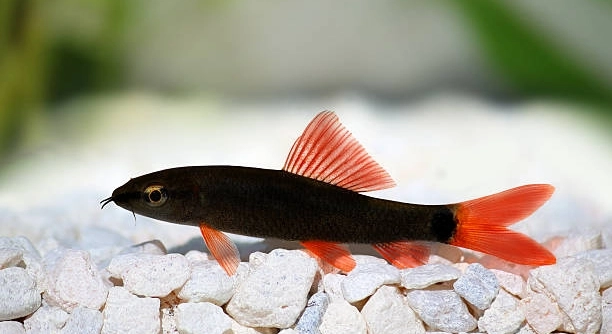
Is your rainbow shark not as active or healthy as it used to be? Poor water quality could be the reason why. Improving its habitat can help your fish thrive and live a healthier life.
Improving water quality for your rainbow shark involves consistent tank maintenance, proper filtration, controlled feeding, and regular water testing. These steps help stabilize the tank environment, reduce harmful toxins, and support your fish’s overall health and behavior.
From cleaning routines to choosing the right equipment, each method plays a role in maintaining a healthy and safe home for your rainbow shark.
Use a Reliable Filtration System
A strong filtration system is essential for maintaining clean water in your rainbow shark’s tank. It helps remove waste, leftover food, and harmful chemicals like ammonia and nitrites. Without proper filtration, toxins can quickly build up, stressing your fish and weakening its immune system. Choose a filter rated for your tank size and consider one that provides mechanical, biological, and chemical filtration. Mechanical filtration traps debris, biological filtration supports good bacteria, and chemical filtration helps remove dissolved impurities. Clean or replace your filter media regularly, according to the manufacturer’s instructions. Keeping the system running efficiently can make a big difference in water clarity and overall tank health. Your rainbow shark depends on a stable, clean environment to stay active and eat well.
Pick a filter that suits your tank’s needs and make sure it runs continuously. Keep it clean and well-maintained to avoid sudden issues that may harm your fish.
If your tank struggles with cloudiness or foul odors, upgrading your filtration can help solve these problems. When selecting a system, avoid underpowered filters that can’t handle the tank volume. It’s better to go slightly above the recommended rating for added support. For tanks with more fish or frequent feeding, a stronger filter ensures that waste doesn’t accumulate too quickly. Also, use sponge filters or pre-filters to avoid sucking in smaller tank inhabitants. Check the water flow as well; rainbow sharks like some current but not strong turbulence. A properly adjusted flow setting will mimic their natural environment while keeping the tank cleaner. Regular maintenance and filter checks should become part of your routine to ensure stable water conditions over time.
Keep Up with Regular Water Changes
Changing 20-30% of the tank water weekly helps control nitrate levels and supports a more balanced tank environment.
Neglecting regular water changes often leads to poor conditions, even if the tank looks clean. Toxins build up invisibly, stressing your rainbow shark over time. Frequent partial changes remove dissolved waste and replenish essential minerals that benefit your fish. Always use a water conditioner to remove chlorine and chloramines from tap water before adding it to the tank. Match the temperature of the new water to the existing tank water to avoid shocking your fish. Siphon debris from the substrate as you change the water—this keeps the gravel clean and limits organic waste buildup. It’s a simple step, but it has a noticeable effect on your rainbow shark’s behavior and health. Establishing a consistent water change routine can help prevent illness, reduce algae growth, and promote a more stable aquatic environment for your fish to thrive.
Test Water Parameters Regularly
Keeping an eye on water parameters helps you catch issues before they become harmful. Use a liquid test kit to check ammonia, nitrite, nitrate, and pH levels at least once a week. Balanced levels mean a healthier tank and a more active rainbow shark.
Regular testing helps you understand what’s happening in your tank, even when everything looks fine on the surface. Ammonia and nitrite should always be at zero, while nitrate should stay under 40 ppm. A stable pH between 6.5 and 7.5 works best for rainbow sharks. Use a reliable liquid test kit instead of strips, as they tend to be more accurate. Keep a record of your results so you can track changes over time. If you notice sudden shifts, take action quickly by doing a partial water change or adjusting your filter. Staying on top of your water quality will help prevent common stress-related illnesses.
When water parameters become unstable, it often leads to sluggish behavior, appetite loss, or cloudy eyes in your fish. These signs can be avoided with early detection through weekly testing. It’s also helpful to test after any major tank event, such as adding new fish or adjusting the decor. If you’re cycling a new tank, daily testing may be needed. Avoid guessing—use the numbers to guide your tank care decisions. Invest in a good master test kit and replace expired bottles to maintain accuracy. If your tap water has high nitrate levels, consider using reverse osmosis (RO) water and remineralize it before adding it to the tank. Consistency is key in keeping your rainbow shark healthy.
Avoid Overfeeding
Feeding too much pollutes the water and leads to uneaten food breaking down into ammonia. Stick to small portions once or twice daily and remove leftovers within a few minutes. This simple habit protects your rainbow shark and keeps your water cleaner.
Rainbow sharks are opportunistic feeders and may appear hungry often, but that doesn’t mean they need more food. Giving them more than they can eat causes water problems and makes your tank harder to maintain. Choose high-quality sinking pellets and offer occasional frozen or blanched vegetables for variety. Feed just enough so they finish in under two minutes. Leftover food should be removed right away to avoid rotting in the tank. It’s also helpful to skip feeding one day a week to give their system a break and reduce waste. Controlling portions makes it easier to keep ammonia and nitrate levels under control.
Keeping a feeding schedule can prevent overfeeding. Some aquarists use a feeding ring or designated corner to train their fish to eat in one area, making cleanup easier. If you notice food collecting in the substrate, you’re likely feeding too much. Uneaten food doesn’t just affect water quality—it can attract unwanted pests and raise phosphate levels, leading to algae. For tanks with multiple fish, feed them small amounts across several spots to reduce competition. Avoid feeding right after a water change when your fish may be more stressed. Consistent, thoughtful feeding helps your rainbow shark maintain good health and reduces the workload of cleaning and water changes.
Remove Waste and Debris Promptly
Uneaten food, fish waste, and plant debris can break down and affect your water quality. Use a gravel vacuum during water changes to clean the substrate and remove buildup. This keeps toxins low and helps your rainbow shark stay healthier.
Don’t wait for waste to pile up. Remove visible debris with a net or siphon as soon as you see it. Leftover organic matter releases harmful compounds over time. Keeping your tank clean between water changes makes maintenance easier and prevents unwanted spikes in ammonia or nitrate levels.
Maintain Proper Tank Size and Stocking
Rainbow sharks need space to swim and establish territory. A tank that’s too small can lead to stress and aggression. Start with at least a 40-gallon tank for one adult rainbow shark. Avoid adding too many tankmates, especially bottom dwellers, since they may compete for the same space. Overstocking leads to more waste and less stable water conditions. Keep the tank lightly stocked and monitor fish behavior often. When choosing tankmates, go for peaceful, fast-swimming species that stay in other areas of the tank. Enough space and the right tankmates make a big difference in maintaining clean, balanced water.
Clean Decorations and Plants as Needed
Algae can grow on rocks, fake plants, and other tank items. Remove and gently scrub them in tank water to avoid harsh chemical exposure. This small step keeps your tank clean and your rainbow shark’s home looking better.
How often should I test the water for my rainbow shark?
Testing water parameters once a week is usually enough for a well-established tank. You should check ammonia, nitrite, nitrate, and pH levels regularly. During new tank setups or if you notice changes in your fish’s behavior, test more often to catch problems early.
What are the ideal water parameters for a rainbow shark?
Rainbow sharks prefer a pH between 6.5 and 7.5. Ammonia and nitrite should always be at zero, as they are toxic even in small amounts. Nitrate levels should stay below 40 ppm. Keeping these levels stable helps prevent stress and disease.
Can I use tap water for water changes?
Yes, but always treat tap water with a water conditioner before adding it to your tank. Tap water contains chlorine or chloramine, which can harm fish. Matching the temperature of the new water to your tank’s water also prevents shocking your rainbow shark.
How much should I feed my rainbow shark?
Feed your rainbow shark small amounts once or twice a day. Only give what they can finish in about two minutes. Overfeeding leads to leftover food, which pollutes the water and can cause health problems. A varied diet with sinking pellets and occasional vegetables is best.
Is it necessary to have live plants in the tank?
Live plants are helpful but not required. They can improve water quality by absorbing nitrates and providing hiding spots. However, they need care to avoid dying and decomposing, which could worsen water quality. Artificial plants are fine if cleaned regularly.
What type of filter is best for a rainbow shark tank?
A filter that offers mechanical, biological, and chemical filtration works best. It should be rated for your tank size or slightly more powerful. Mechanical filtration removes debris, biological filtration supports beneficial bacteria, and chemical filtration removes impurities, keeping water clear and healthy.
How often should I perform water changes?
A 20-30% water change every week is recommended. This removes built-up nitrates and other waste products. Regular water changes help maintain a stable and healthy environment for your rainbow shark. Skipping changes can lead to toxic water conditions.
Can I keep multiple rainbow sharks in one tank?
Rainbow sharks can be territorial and aggressive toward their own kind, especially in small tanks. If you want more than one, you need a very large tank with plenty of hiding spaces to reduce conflicts. Generally, it’s best to keep one per tank unless the space is sufficient.
What signs show poor water quality in my tank?
Signs include cloudy water, foul odors, sluggish or hiding fish, faded colors, or gasping at the surface. If you notice these symptoms, test your water immediately. Poor water quality stresses your fish and can lead to illness or death if not corrected.
How do I safely clean the tank decorations?
Remove decorations and gently scrub them with tank water to avoid killing beneficial bacteria. Avoid soap or harsh chemicals. Cleaning decorations regularly prevents algae buildup and helps maintain good water quality.
Why does my tank water get cloudy after a water change?
Cloudy water can occur due to disturbed substrate or bacterial blooms. Let the filter run continuously, and avoid stirring up gravel during water changes. Cloudiness usually clears in a day or two if the tank is balanced.
Is it okay to skip feeding my rainbow shark one day a week?
Yes, skipping a feeding day can help reduce waste buildup in the tank. It gives your fish’s digestive system a break and helps maintain better water quality by limiting excess food.
How do I reduce nitrate levels if they get too high?
Perform more frequent water changes and avoid overfeeding. Adding live plants can also help absorb nitrates. Consider using nitrate-removing filter media if levels remain high despite these steps.
What is the best substrate for a rainbow shark tank?
Fine gravel or sand works well since rainbow sharks like to explore the bottom. Avoid sharp or rough substrates that could injure them. The substrate should be easy to clean with a gravel vacuum during water changes.
Can I use an air stone with my rainbow shark tank?
Yes, air stones help increase oxygen levels and improve water circulation. However, make sure the current is not too strong, as rainbow sharks prefer moderate flow and need calm areas to rest.
What temperature range is best for rainbow sharks?
Keep the water temperature between 74°F and 80°F (23°C to 27°C). Consistent temperature helps reduce stress and supports their immune system. Use a reliable heater and thermometer to monitor and maintain this range.
How important is tank decoration for my rainbow shark?
Decorations provide hiding places and territories, reducing stress and aggression. Include rocks, driftwood, and plants to create a natural environment. Make sure decorations are aquarium-safe and cleaned regularly.
What should I do if my rainbow shark looks lethargic or refuses food?
Test the water immediately for toxins and temperature changes. Check for signs of disease or injury. If parameters are off, perform a partial water change and address the issue. If symptoms persist, consult an aquatic veterinarian.
Can I mix rainbow sharks with other bottom-dwelling fish?
It’s best to avoid mixing rainbow sharks with other aggressive bottom dwellers, as they compete for territory. Choose peaceful, mid-to-top dwelling fish that won’t challenge your rainbow shark for space.
How can I prevent algae growth in my rainbow shark tank?
Control light exposure by limiting daily light to 8-10 hours. Avoid overfeeding, perform regular water changes, and keep nutrient levels low. Adding live plants and cleaning decorations can also help keep algae in check.
Maintaining good water quality is essential for the health and well-being of your rainbow shark. Clear, clean water creates a safe environment where your fish can thrive, stay active, and show their best colors. Taking steps like using a reliable filter, performing regular water changes, and testing water parameters helps prevent common issues caused by poor water conditions. These efforts protect your fish from stress, illness, and early death. Consistency is important—small actions done regularly can make a big difference in maintaining a balanced tank.
While keeping water clean requires time and attention, it is not difficult once you establish a routine. Feeding your rainbow shark the right amount and removing uneaten food quickly reduces waste buildup. Cleaning the substrate and decorations helps keep the environment fresh. Selecting the correct tank size and stocking it properly ensures your fish have enough space and limits territorial aggression. Each of these steps supports a healthy ecosystem inside your aquarium. The result is a more stable environment where your rainbow shark can feel secure and behave naturally.
Good water quality also benefits all other tank inhabitants. When the tank is well-maintained, algae growth is controlled, and toxic chemicals stay at safe levels. This makes your aquarium more enjoyable to watch and reduces the amount of time needed for emergency fixes. Remember that patience and care are key. Problems usually develop slowly, so early attention prevents major issues later. By following the practices outlined, you provide the best possible home for your rainbow shark and improve its chances for a long, healthy life.

Hello,
If you enjoy the content that we create, please consider saying a "Thank You!" by leaving a tip.
Every little bit helps us continue crafting quality advice that supports the health, happiness, and well-being of pets around the world, for pets of all shapes, sizes, and species.
We really appreciate the kindness and support that you show us!