
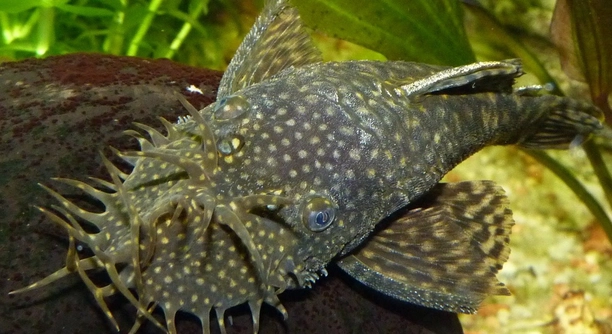
A lonely pleco can experience stress and discomfort in its environment, which affects its overall well-being. This article will explore practical ways to improve the mood of your pleco, ensuring it feels secure and content.
To improve the mood of a lonely pleco, it is essential to create a stimulating and comfortable environment. Introducing hiding spots, maintaining optimal water conditions, and providing companionship from compatible species can greatly reduce stress and promote emotional well-being.
Understanding these simple adjustments can make a significant difference in your pleco’s mood, allowing it to thrive in a more balanced and happier habitat.
Provide Adequate Hiding Spots
Plecos are naturally shy and like to have places to hide in their tank. Providing caves, driftwood, or plants where your pleco can retreat will help them feel safe. A lack of hiding spots can lead to stress, especially in a tank without other fish for companionship. Plecos often become more active and less anxious when they have the freedom to move between hiding spots and open spaces.
Adding rocks, plants, or ornaments can give your pleco the necessary options to explore and claim as their own. These hiding areas help to create a more comfortable environment, reducing any feelings of vulnerability. This allows them to control their interaction with the environment. Moreover, providing places for your pleco to hide also improves water quality by creating areas of low water movement, which plecos appreciate. They are bottom dwellers, so having an area that mimics their natural habitat will make them feel more at ease.
As your pleco gets used to its hiding spaces, it may begin to explore more, improving its overall mood. Regular tank maintenance is crucial for ensuring these spaces remain clean and functional, preventing algae build-up and any disturbances.
Maintain Clean Water
Keeping the water clean is one of the easiest ways to improve your pleco’s mood. Dirty water can cause stress and even illness. Regular water changes are key to preventing this.
Plecos produce a significant amount of waste, and over time, it can affect the water quality. To manage this, use a good filtration system and keep an eye on the water parameters. Adjusting the pH and maintaining the right temperature is essential for their health.
Introduce Tank Mates Carefully
Adding tank mates can help alleviate loneliness, but it’s important to choose compatible species. Some fish might be aggressive or too active for a pleco, which can lead to stress. Peaceful bottom-dwellers or slow-moving fish are usually the best options.
When introducing new tank mates, it’s crucial to monitor their interactions closely. Plecos can be territorial, so introducing new fish gradually helps avoid aggression. Make sure the new tank mates don’t compete for food, as plecos may feel threatened and avoid eating. The key is maintaining a balance where all species coexist peacefully.
Another consideration is the size of the tank. A larger tank with enough space for everyone can prevent overcrowding. Overcrowding can make your pleco feel stressed and overwhelmed. By creating a balanced environment with the right tank mates, your pleco will feel more secure and less isolated.
Offer a Varied Diet
Plecos thrive on a varied diet, which can improve both their health and mood. A mix of algae wafers, fresh vegetables, and occasional protein can keep them engaged and nourished.
Feeding your pleco a variety of foods encourages natural foraging behaviors, which can prevent boredom. Plecos enjoy grazing on algae, so incorporating algae wafers into their diet can help replicate their natural feeding habits. Vegetables like zucchini or cucumber offer important nutrients and keep your pleco active. Avoid overfeeding, as this can lead to water quality issues, which could cause stress.
Adding variety to your pleco’s diet ensures they get the necessary nutrients for good health, improving their mood and energy levels. It also helps establish a more interactive and stimulating environment for your pleco, keeping them happy and engaged in their tank.
Create a Stable Environment
Maintaining a stable environment is key for a pleco’s well-being. Fluctuating water conditions can cause stress and discomfort. Regularly check temperature, pH, and hardness to keep everything consistent.
Plecos prefer stable environments, so any sudden changes in water quality or temperature can lead to anxiety. A consistent routine for water changes, feeding, and maintenance helps create a sense of security. It’s also important to ensure that the filtration system runs smoothly, as dirty water can cause stress and affect their health.
Provide Proper Lighting
Plecos prefer low to moderate lighting, as bright lights can stress them out. Ensure there are shaded areas in your tank for your pleco to retreat to when they need rest.
Lighting plays a crucial role in creating a comfortable environment. Too much light can lead to stress and disrupt their natural behaviors. Consider using dim LED lights or timers to simulate day and night cycles. This can help your pleco maintain a healthy sleep-wake routine, further reducing stress.
FAQ
What is the ideal tank size for a pleco?
The ideal tank size for a pleco is at least 75 gallons. Plecos can grow quite large, depending on the species, and they need ample space to swim and explore. A larger tank ensures that the pleco has enough room for hiding spots and access to different areas in the tank, reducing stress. A smaller tank may result in overcrowding, which can increase stress and negatively impact your pleco’s health. It’s also important to consider tank mates when determining the tank size.
How often should I feed my pleco?
Feeding your pleco once a day is sufficient. Plecos are grazers, and in the wild, they spend much of their time eating algae. In a tank, it’s important to provide a variety of foods like algae wafers, vegetables, and occasional protein sources. Overfeeding can lead to water quality problems and health issues, so stick to a routine. You can also feed your pleco at night since they are primarily nocturnal.
Can plecos live alone?
Yes, plecos can live alone. While they are social animals and may benefit from having tank mates, they are also perfectly capable of thriving in a solitary environment. Providing proper hiding spots and maintaining a clean, stable environment will help your pleco feel secure. If you notice signs of loneliness or stress, adding compatible tank mates may help improve their mood.
What water temperature is best for a pleco?
Plecos prefer water temperatures between 72°F and 82°F (22°C to 28°C). Keeping the water within this range ensures your pleco remains comfortable and healthy. Extreme temperature fluctuations can cause stress and even lead to illness. It’s a good idea to use a reliable aquarium heater and thermometer to monitor and maintain the water temperature consistently.
How can I tell if my pleco is stressed?
Signs of stress in a pleco include excessive hiding, loss of appetite, rapid breathing, or abnormal swimming behavior. A stressed pleco may also develop physical issues like skin lesions or discoloration. If you notice any of these signs, check the water parameters, ensure the tank is properly cleaned, and remove any potential sources of aggression from tank mates.
Are plecos sensitive to light?
Yes, plecos are sensitive to light. Bright lighting can cause stress and disrupt their natural behaviors. They are nocturnal animals and prefer low to moderate lighting in their tank. Providing shaded areas or using dim LED lights can help create a more comfortable environment for your pleco. Avoid keeping the lights on for extended periods to prevent unnecessary stress.
Do plecos need a filter?
Yes, plecos require a good filtration system to keep the water clean. They are large fish that produce a significant amount of waste, and without proper filtration, water quality can quickly deteriorate. A reliable filter will help maintain the water parameters and ensure your pleco stays healthy. Be sure to choose a filter that is appropriately sized for your tank.
Can plecos eat too much algae?
While plecos enjoy eating algae, they can’t rely solely on algae as their food source. Over time, algae may not provide all the nutrients your pleco needs to stay healthy. Supplementing their diet with algae wafers, fresh vegetables, and occasional protein is important for their overall well-being. If there is too much algae in the tank, it could indicate an imbalance in water conditions, which should be addressed.
How long do plecos live?
Plecos can live for 10 to 15 years or more with proper care. Their lifespan depends on factors like tank size, water quality, diet, and whether they have compatible tank mates. With a well-maintained environment and routine care, your pleco can live a long and healthy life. Regular water changes and proper nutrition are key to extending their lifespan.
What kind of tank mates are best for plecos?
Plecos do best with peaceful, bottom-dwelling fish or other slow-moving species. Avoid aggressive fish, as they can cause stress and even harm your pleco. Species like tetras, guppies, and peaceful cichlids can make good tank mates. Ensure there is enough space for all fish to have their own territories, and avoid overcrowding the tank.
Final Thoughts
Caring for a pleco involves providing the right environment and meeting their specific needs. They are peaceful fish that thrive in stable, clean conditions with adequate space to swim and hide. Offering a variety of food and keeping the water quality high are key components of maintaining a healthy pleco. Without these essentials, your pleco may experience stress, which can lead to health issues. By making small adjustments to their habitat, you can improve their mood and well-being over time.
Regular maintenance of the tank, such as water changes and proper filtration, helps create an environment that plecos find comfortable. Their diet should include a mix of algae, vegetables, and protein, and feeding them at the right times can help keep them engaged. The presence of hiding spots and a peaceful atmosphere with compatible tank mates also plays a role in reducing stress and promoting overall happiness. A happy pleco is likely to be more active and healthy, contributing to a stable, thriving aquarium.
Ultimately, the care you provide to your pleco directly affects its mood and quality of life. While these fish are low-maintenance, attention to detail is crucial for ensuring their happiness. With the right care, plecos can live long and healthy lives. Maintaining a consistent routine and making adjustments based on their behavior will help you build a strong relationship with your pleco, ensuring that they remain healthy and active in their aquatic home.

Hello,
If you enjoy the content that we create, please consider saying a "Thank You!" by leaving a tip.
Every little bit helps us continue crafting quality advice that supports the health, happiness, and well-being of pets around the world, for pets of all shapes, sizes, and species.
We really appreciate the kindness and support that you show us!