
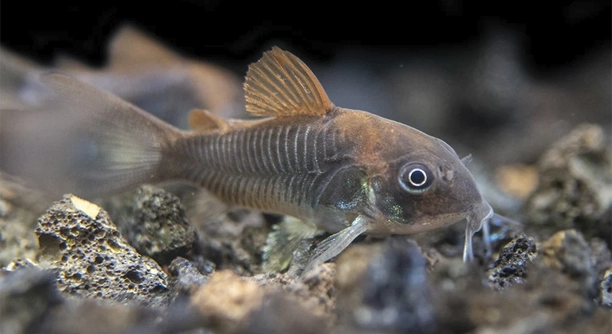
Corydoras catfish are fascinating freshwater fish known for their friendly nature and unique behavior. Keeping them healthy and happy involves providing the right nutrition. This article will guide you on how to improve their diet and overall well-being.
To improve your Corydoras catfish’s diet, it is essential to offer a variety of high-quality foods. These fish thrive on a mix of pellets, live food, and vegetables, ensuring they get the right nutrients for optimal growth and health.
Feeding your Corydoras with proper nutrition is essential for their vitality. Understanding their dietary needs will help maintain their health and longevity in your aquarium. We’ll cover some effective ways to enhance their diet.
Offer a Balanced Diet
Providing a variety of foods is one of the most important steps to improving your Corydoras catfish’s diet. A good mix of high-quality pellets, freeze-dried foods, and occasional live foods ensures they get the essential nutrients for growth and energy. These catfish are omnivores and naturally forage on both plant and animal matter in the wild. Offering a balanced diet will replicate this variety in captivity, keeping them healthy and happy. Try rotating different food types like sinking pellets, frozen brine shrimp, or finely chopped vegetables to keep things interesting for your fish while meeting their dietary needs.
A well-balanced diet helps promote good health and longevity in Corydoras catfish.
You can also experiment with feeding them some vegetable matter, like blanched spinach or zucchini. These are rich in fiber and help aid digestion. Offering a variety of foods also keeps your catfish active and engaged. Changing up their diet prevents boredom and can encourage natural foraging behavior.
Focus on Protein-Rich Foods
Protein is an essential part of your Corydoras catfish’s diet. It helps them grow, repair tissues, and maintain energy. High-quality protein sources like live or frozen foods, such as bloodworms and brine shrimp, are great additions to their diet. These foods provide the necessary amino acids and help keep your fish active and healthy.
Protein-rich foods also stimulate natural hunting and foraging behavior in Corydoras catfish. Live food encourages them to engage in their instinctual behaviors, promoting better physical and mental health. It is important not to overfeed protein, though, as it can lead to health problems like bloating or water quality issues.
You can easily incorporate protein by offering these live or frozen options a few times a week. Variety in protein sources, such as using both worms and shrimp, is beneficial for your fish. This way, they get a mix of nutrients and avoid getting bored with the same food types.
Provide Sinking Pellets
Sinking pellets are ideal for Corydoras catfish because they feed near the bottom of the tank. These pellets are specially formulated to sink and remain in the substrate, where your fish feel most comfortable feeding. Make sure to choose high-quality sinking pellets with balanced nutrition to keep your catfish healthy.
The best sinking pellets are rich in essential nutrients, including vitamins, minerals, and protein. Offering these ensures your Corydoras get a stable, consistent food source. It’s important to feed pellets in moderation to avoid overfeeding and ensure the tank stays clean.
They are also easy to store and handle, making feeding simple. By adding sinking pellets to their diet, you provide your Corydoras with a reliable, nutritious option they can always depend on.
FAQ
How often should I feed my Corydoras catfish?
Corydoras catfish are bottom feeders and do best when fed small amounts several times a day. You should aim to feed them 2 to 3 times a day, offering only what they can consume within a few minutes. Overfeeding can lead to water quality issues and health problems. The key is to maintain a balanced feeding routine, providing enough food without excess. If you’re using sinking pellets, you can also provide them once or twice a day and remove any uneaten food after 10-15 minutes to prevent the tank from becoming polluted.
What foods are best for Corydoras catfish?
The best foods for Corydoras catfish include high-quality sinking pellets, frozen or live foods like brine shrimp and bloodworms, and blanched vegetables such as zucchini, spinach, or peas. A varied diet is important to ensure they get the proper nutrients. Sinking pellets should be their primary food source since it’s more suited to their feeding behavior. Live or frozen foods like bloodworms help provide essential protein, while vegetables offer fiber that aids digestion. A balance between these food types will keep your fish healthy.
Can I feed Corydoras catfish vegetables?
Yes, Corydoras catfish can eat vegetables, and it is highly beneficial to include them in their diet. Vegetables like zucchini, spinach, peas, and cucumber provide fiber that aids digestion and helps prevent constipation, which is common in aquarium fish. Be sure to blanch the vegetables before offering them to make them easier for your fish to eat. Vegetables should be offered alongside protein-rich foods, making up a small portion of their overall diet.
Can I feed Corydoras catfish live food?
Live food, such as brine shrimp, bloodworms, and daphnia, is excellent for Corydoras catfish. These foods are high in protein, which helps keep your fish active and healthy. Live food mimics their natural diet and encourages natural hunting and foraging behaviors. However, it’s important to feed live food in moderation, as it can easily be overfed. Offering it once or twice a week as a treat will provide variety while still maintaining a balanced diet for your fish. Make sure to get live food from a reputable source to avoid contamination.
How much should I feed my Corydoras catfish?
The amount you feed your Corydoras catfish depends on their size and age. A general guideline is to offer a small amount of food that they can consume in 3-5 minutes, twice to three times a day. This helps ensure that the food is consumed before it has a chance to decompose and pollute the tank. If you notice leftover food after feeding, it’s a sign that you are overfeeding, and you should reduce the amount. Always avoid overfeeding as it leads to poor water quality and health issues in your fish.
Can Corydoras catfish eat pellets?
Yes, Corydoras catfish can eat pellets, specifically sinking pellets. Sinking pellets are designed for bottom-feeding fish like Corydoras, as they will stay on the substrate where these fish feed. Look for sinking pellets that are formulated with a high nutritional value, containing a good balance of protein, fats, and vitamins. It is best to feed them sinking pellets daily and rotate with other foods like vegetables or live food to provide variety. Avoid surface-feeding pellets, as these are not ideal for Corydoras.
What are some common feeding mistakes with Corydoras catfish?
One of the most common mistakes is overfeeding. Corydoras are bottom feeders and will often eat whatever food they can find. However, feeding them too much can lead to excess waste, which can harm water quality. It’s important to remove any uneaten food within 10-15 minutes after feeding to prevent food from decomposing and affecting tank conditions. Another mistake is not providing enough variety in their diet. A diet limited to only pellets will not provide all the nutrients they need. Ensure you mix different types of food, such as live food and vegetables, to maintain balance.
Is it okay to feed Corydoras catfish only pellets?
While sinking pellets are a great staple food, it is not advisable to feed Corydoras catfish only pellets. A balanced diet should include a mix of food types to ensure your catfish receive all the nutrients they need. While pellets provide a good base, they lack some of the protein, fiber, and variety that live or frozen foods and vegetables can offer. Adding live food, such as bloodworms or brine shrimp, and vegetables like zucchini or peas, will provide your Corydoras with a more complete and nutritious diet.
Do Corydoras catfish need a special diet?
Corydoras catfish don’t require a special diet, but they do need one that suits their omnivorous nature. They are scavengers in the wild, feeding on both plant and animal matter. A varied diet, which includes sinking pellets, protein-rich foods like bloodworms, and plant matter like vegetables, will mimic their natural eating habits. Offering a well-rounded diet will help them stay healthy, active, and happy. It’s important to ensure their diet is both nutritious and easy for them to consume based on their feeding behavior.
How do I ensure my Corydoras catfish are getting enough nutrition?
To ensure your Corydoras catfish are getting enough nutrition, offer them a variety of foods. Provide high-quality sinking pellets as their main food source, along with occasional live foods like brine shrimp or bloodworms. Add vegetables to their diet regularly, making sure they’re fresh or blanched for easy consumption. Always remove uneaten food after a few minutes to prevent water pollution. A varied and balanced diet will provide them with the protein, vitamins, and minerals they need for good health. Keep track of their behavior and appearance to spot any signs of nutritional deficiencies early.
Final Thoughts
Corydoras catfish are relatively easy to care for, but providing them with the right diet is essential to their overall health. These bottom-feeding fish need a balanced mix of food to thrive. A combination of high-quality sinking pellets, protein-rich live or frozen foods, and plant-based options like blanched vegetables ensures they get the proper nutrition. By offering a variety of foods, you help mimic their natural diet, which keeps them active and healthy. Without the right nutrition, Corydoras can suffer from poor growth, weakened immune systems, and digestive issues.
It’s important to remember that feeding your Corydoras too much or too little can cause problems. Overfeeding can lead to excess waste in the tank, which affects water quality and may result in health issues for your fish. Underfeeding can cause malnutrition, leaving your fish weak and unable to properly grow. The key is offering small amounts of food several times a day, allowing your Corydoras to eat everything within a few minutes. This helps maintain both their health and the cleanliness of your tank. Always monitor how much your fish are eating and adjust accordingly.
Lastly, keep an eye on your Corydoras catfish to make sure they are thriving. Healthy fish will be active, swim around the tank, and search for food. If you notice any unusual behavior or signs of illness, it may be due to an imbalanced diet or other environmental factors like poor water quality. By following the simple feeding guidelines and offering a variety of nutritious foods, your Corydoras catfish will live a long and happy life in your aquarium. Taking the time to care for their diet will reward you with healthy fish and a vibrant aquarium.

Hello,
If you enjoy the content that we create, please consider saying a "Thank You!" by leaving a tip.
Every little bit helps us continue crafting quality advice that supports the health, happiness, and well-being of pets around the world, for pets of all shapes, sizes, and species.
We really appreciate the kindness and support that you show us!