
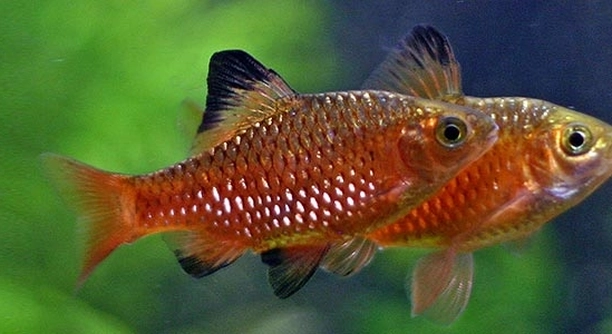
Rosy barbs are lively fish that add color and activity to home aquariums. Their interactions can sometimes be challenging, requiring care and attention. Improving how they behave helps create a healthier, more enjoyable environment for these fish.
Enhancing rosy barb interaction involves understanding their social behavior, providing adequate space, maintaining water quality, offering proper nutrition, and managing tank mates carefully. These steps promote peaceful coexistence and reduce stress among the fish.
Learning these practical ways will help you maintain a balanced tank and enjoy your rosy barbs’ natural behaviors more fully. This guide offers clear advice to support your fish’s well-being and social harmony.
Understanding Rosy Barb Behavior
Rosy barbs are naturally social fish that thrive in groups. They display a mix of playful chasing and occasional mild aggression, especially when the tank is crowded or lacks hiding spots. Knowing their behavior helps prevent stress and injury. Providing enough space is crucial because tight environments can make them more territorial. They often swim actively, exploring their surroundings and interacting with other fish. When kept in small groups, they feel secure and show their best colors. Aggression can also rise during feeding times, so spreading food evenly helps reduce competition. Observing their body language, such as fin flaring or chasing, can signal when they need more space or environmental adjustments. Their natural instincts mean they need both open areas for swimming and plants or decorations for cover. By understanding these behaviors, you create a peaceful habitat where rosy barbs can flourish.
A well-balanced environment reduces stress and keeps rosy barbs active and healthy, making their interaction more positive overall.
Ensuring your tank mimics their natural social structure and physical environment is key. Use a minimum group of six rosy barbs to help spread their social energy. Include plants and hiding spots to break lines of sight and reduce tension. Keep the water clean and stable, as poor conditions can increase irritability. Consistent feeding schedules with varied diets also promote good health. Taking these steps supports their natural behaviors and keeps interactions calm and engaging.
Maintaining Water Quality
Water quality directly affects rosy barb behavior and health. Clean, well-filtered water reduces stress and keeps them more peaceful. Changes in water parameters can cause aggression or lethargy.
Proper filtration and regular water changes help maintain stable conditions. Test water parameters weekly to monitor ammonia, nitrite, nitrate, and pH levels. Rosy barbs prefer slightly alkaline water with moderate hardness. Sudden shifts in temperature or chemistry can trigger defensive behavior. A stable environment encourages calm swimming and social interaction, preventing conflicts. Using a heater to keep water between 72-78°F is recommended. Aeration is also important to maintain oxygen levels. By prioritizing water quality, you promote a calm, healthy community where rosy barbs interact naturally and thrive.
Clean water and a steady environment support peaceful behavior and long-term health in your rosy barbs.
Providing Proper Nutrition
Rosy barbs need a balanced diet to stay healthy and active. Feeding them quality flakes or pellets designed for tropical fish is essential.
Include live or frozen foods like brine shrimp and bloodworms to add variety and boost their nutrition. Feeding small amounts two to three times daily prevents overfeeding and water pollution. A varied diet improves their color and energy, which encourages natural, positive interaction among the group. Avoid feeding only one type of food, as this can lead to deficiencies. Proper nutrition supports their immune system, making them less prone to stress and aggression.
Consistent feeding routines also help reduce competition and chasing during meal times. Distributing food evenly ensures all fish get enough, avoiding bullying and stress. Maintaining this balance keeps your rosy barbs happier and more social.
Managing Tank Mates
Choose tank mates carefully to keep interactions peaceful. Avoid aggressive or very large fish that may stress or harm rosy barbs. Suitable companions include peaceful species like danios, tetras, and small catfish.
Introducing fish gradually and monitoring their behavior prevents conflicts. Rosy barbs may chase slower or long-finned fish, so select tank mates that can keep up. Providing hiding spots and enough space reduces tension between species. Always observe new additions closely for signs of aggression or stress. A well-planned community tank promotes healthy interaction and a calm environment. Managing tank mates wisely helps create a balanced and happy aquarium for everyone.
Creating Hiding Spots
Hiding spots reduce stress and aggression among rosy barbs. Plants, rocks, and decorations give them places to retreat and feel safe.
Providing cover helps break the line of sight between fish, limiting chasing and conflicts. This creates a more peaceful environment.
Keeping the Tank Clean
Regular tank maintenance prevents buildup of waste and harmful chemicals. Clean tanks support healthy behavior and reduce stress in rosy barbs.
Frequent water changes and gravel vacuuming keep the water clear and oxygen-rich. This helps fish stay calm and interact positively.
Monitoring Behavior
Watch your rosy barbs regularly for signs of stress or aggression. Early detection allows quick action to prevent problems.
Behavior changes can signal illness, poor water quality, or social tension. Addressing these early keeps the group balanced and healthy.
Avoiding Overcrowding
Too many fish in one tank increases competition and aggression. Keep stocking levels appropriate for your tank size to reduce stress.
Overcrowding makes it hard for fish to establish territories, leading to more chasing and injuries. Maintain a comfortable population.
FAQ
Why do rosy barbs sometimes chase each other?
Rosy barbs are naturally active and social fish, so chasing is a part of their behavior. It helps establish a social hierarchy within the group. However, excessive chasing can mean the tank is overcrowded, or hiding places are lacking. Providing enough space and cover can reduce aggressive chasing.
How many rosy barbs should be kept together?
A minimum group of six rosy barbs is recommended. This number helps spread their social energy and reduces aggressive behavior. Smaller groups may cause fish to become territorial or stressed, while too many can lead to overcrowding. Proper tank size is essential to support their activity level.
What tank size is best for rosy barbs?
At least 30 gallons is ideal for a group of six rosy barbs. This space allows them to swim actively and maintain social balance. Bigger tanks are always better to prevent stress and reduce aggressive behavior, especially if you add other fish species.
Can rosy barbs live with other fish?
Yes, they can live with other peaceful fish of similar size and temperament. Good tank mates include danios, tetras, and Corydoras catfish. Avoid slow-moving or long-finned fish, as rosy barbs may nip their fins or chase them, causing stress.
What kind of diet do rosy barbs need?
Rosy barbs thrive on a varied diet of quality flakes or pellets, supplemented with live or frozen foods like brine shrimp or bloodworms. Feeding small amounts multiple times a day keeps them healthy and active. Variety improves their color and supports natural behaviors.
How often should I change the water in a rosy barb tank?
Regular water changes of 20-30% weekly help maintain water quality and keep fish healthy. Removing waste and uneaten food reduces toxins like ammonia and nitrate, which can cause stress and aggressive behavior in rosy barbs.
Why are my rosy barbs losing color?
Loss of color can indicate poor water quality, inadequate diet, or stress. Make sure the water parameters are stable, feed a balanced diet, and keep stress low by providing enough space and hiding spots. Healthy rosy barbs usually display vibrant colors.
How can I tell if my rosy barbs are stressed?
Signs of stress include hiding more than usual, loss of appetite, faded color, or increased aggression. Stress may be caused by poor water conditions, overcrowding, or incompatible tank mates. Identifying and fixing these issues quickly improves their well-being.
Is it normal for rosy barbs to nip fins?
Some fin nipping can be normal, especially during feeding or when establishing dominance. However, excessive nipping usually means stress, boredom, or overcrowding. Providing enough space, hiding places, and proper nutrition helps reduce this behavior.
What water temperature do rosy barbs prefer?
They thrive in temperatures between 72°F and 78°F (22°C – 26°C). Keeping the temperature stable within this range supports their immune system and activity level. Sudden temperature changes can cause stress and increase aggression.
How do I encourage peaceful interaction among rosy barbs?
Keep them in groups of six or more, provide plenty of space and hiding spots, maintain high water quality, and offer a varied diet. Avoid overcrowding and choose compatible tank mates. These steps help maintain calm social behavior and reduce conflict.
Can rosy barbs breed in a community tank?
Breeding is possible but less common in community tanks due to stress and competition. Rosy barbs typically lay eggs among plants, which adults may eat. To encourage breeding, set up a separate breeding tank with plenty of plants and controlled conditions.
What is the best way to introduce new fish to a rosy barb tank?
Introduce new fish slowly by quarantining them first to prevent disease. Add new fish during calm times and rearrange tank decorations to reduce territorial behavior. Watch interactions closely and be ready to separate aggressive fish if needed.
Why do rosy barbs jump out of the tank?
Jumping can happen if water quality is poor, the tank is overcrowded, or they feel stressed. Always keep a secure lid on the tank and maintain stable conditions to prevent escape attempts.
How long do rosy barbs live?
With proper care, rosy barbs live between 5 and 7 years. Maintaining clean water, a balanced diet, and a peaceful environment helps them reach their full lifespan.
Can I keep rosy barbs with plants?
Yes, they usually do well with hardy plants like Java fern, Anubias, and Vallisneria. Plants provide hiding places and help improve water quality. Rosy barbs may nibble on some plants, so choose robust species.
Rosy barbs are lively and colorful fish that bring energy to any aquarium. They thrive best when their environment meets their social and physical needs. By understanding their behavior and providing enough space, clean water, and proper nutrition, you help them stay healthy and peaceful. Keeping them in groups of six or more prevents loneliness and reduces aggressive behavior. Adding hiding spots like plants and decorations creates a safe space, helping to calm the fish and limit chasing. These simple steps make a big difference in how rosy barbs interact with each other and with other fish in the tank.
Water quality plays a crucial role in maintaining a peaceful aquarium. Regular water changes and proper filtration remove harmful waste and toxins that can stress fish and cause aggression. Monitoring water parameters such as temperature, pH, and ammonia levels ensures a stable and comfortable habitat. Stress from poor water conditions weakens their immune system and may lead to disease or erratic behavior. Feeding them a varied diet with quality flakes, pellets, and occasional live foods supports their health and brightens their colors. A well-fed and well-cared-for rosy barb is less likely to become aggressive or sick, making the entire tank environment more balanced and enjoyable.
Managing tank mates carefully is also important for peaceful interaction. Choose fish that are compatible in size and temperament to avoid conflicts. Slow or long-finned fish may become targets of chasing or fin nipping. Observing new fish after introduction helps detect early signs of aggression or stress. Avoid overcrowding by keeping the fish population appropriate for the tank size. Too many fish lead to competition for food and space, increasing tension. When all these factors are balanced, rosy barbs show their natural, active, and social behaviors in a calm and healthy way. Following these guidelines will help maintain a vibrant and harmonious aquarium where rosy barbs can thrive for years.

Hello,
If you enjoy the content that we create, please consider saying a "Thank You!" by leaving a tip.
Every little bit helps us continue crafting quality advice that supports the health, happiness, and well-being of pets around the world, for pets of all shapes, sizes, and species.
We really appreciate the kindness and support that you show us!