
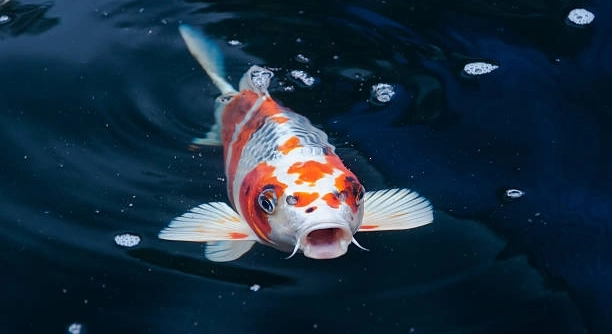
Koi ponds often face challenges with water clarity, making it difficult to see the fish clearly. Murky water can result from algae growth, sediment, or poor filtration. Improving visibility helps maintain both the pond’s beauty and the koi’s health.
Enhancing koi visibility in murky water requires a combination of proper filtration, regular maintenance, strategic pond design, and the use of water treatments. These measures reduce turbidity and improve light penetration, allowing koi to be seen more clearly.
These practical steps will help you create a clearer environment for your koi. Enhancing visibility benefits both the pond’s appearance and the enjoyment of watching your fish.
Improve Filtration Systems
A strong filtration system is essential for keeping pond water clear and koi visible. Mechanical filters remove debris, while biological filters break down harmful substances like ammonia and nitrites. Regularly cleaning and maintaining filters prevents clogging and keeps them working efficiently. Upgrading to a higher capacity filter can also improve water clarity, especially in larger ponds or those with many fish. In addition, using a UV clarifier helps control algae growth, which often clouds the water. Proper circulation is equally important; it prevents stagnant areas where debris and algae can accumulate. A well-designed pump and filter system can maintain a balanced environment that supports koi health and enhances visibility.
Filters should be inspected at least monthly, and cleaning schedules adjusted according to pond conditions. This proactive approach keeps water clear and koi easier to see.
A well-maintained filtration system works continuously to remove particles and toxins, promoting clearer water. Combined with proper pond design, filtration significantly enhances koi visibility.
Reduce Algae Growth
Algae thrive in ponds exposed to excess sunlight and high nutrient levels. Limiting direct sunlight by adding shade plants or installing a pond cover helps control algae. Reducing nutrient input is critical; avoid overfeeding koi and clean leftover food promptly. Adding beneficial bacteria can outcompete algae for nutrients and improve water quality. Regularly removing algae manually also prevents it from spreading and turning the water green.
Excess nutrients encourage algae blooms, which reduce water clarity. Controlling nutrient levels and sunlight exposure are key steps in algae management.
Preventing algae growth involves balancing light, nutrients, and biological activity in the pond. Maintaining this balance keeps water clear and koi more visible. Simple adjustments can make a significant difference in water quality and fish enjoyment.
Use Pond Plants Strategically
Aquatic plants help improve water clarity by absorbing excess nutrients that algae need to grow. Placing floating plants, like water lilies, on the surface reduces sunlight penetration, which slows algae growth. Submerged plants oxygenate the water and provide natural filtration.
Plants balance the pond ecosystem by competing with algae for nutrients and providing shade. They create a more stable environment that supports clearer water. Choosing the right mix of plants suited to your pond’s size and conditions is important for effective results.
Incorporate a variety of plants to cover different parts of the pond. Floating plants reduce light, submerged plants oxygenate water, and marginal plants absorb nutrients near the edges. This multi-layered approach helps maintain water clarity and creates a healthier environment for your koi.
Regular Pond Cleaning
Removing debris like leaves, uneaten food, and sediment prevents water from becoming cloudy. Skimming the surface regularly and using a pond vacuum for the bottom reduces organic buildup. This cleanup lowers nutrient levels that encourage algae growth and murkiness.
Cleaning prevents decay that affects water quality. It also minimizes sludge that can harbor harmful bacteria and toxins. A consistent cleaning routine reduces maintenance issues and supports a clearer pond environment.
Maintaining cleanliness involves frequent removal of waste and sediments. This process keeps water clearer and healthier for koi. Combined with filtration and plant care, regular cleaning is essential for sustaining good visibility and water quality.
Optimize Pond Depth
Deeper ponds help reduce sediment disturbance, which keeps water clearer. Shallow areas tend to get stirred up more easily by wind or fish activity, causing murkiness. Ensuring varied depth zones creates a stable environment that limits sediment suspension.
Proper depth also influences temperature and oxygen levels, both important for koi health. Maintaining at least two to three feet in most areas helps balance these factors and improve overall water clarity.
Control Fish Feeding
Overfeeding koi contributes to excess waste, which clouds water and fuels algae growth. Feeding smaller amounts more frequently ensures fish eat all food quickly. Removing uneaten food promptly prevents it from decomposing and affecting water quality.
Add Water Clarifiers
Water clarifiers bind small particles together so they can be filtered out more easily. This reduces cloudiness and improves koi visibility quickly. Use clarifiers according to manufacturer instructions to avoid harming fish or plants.
Use Proper Lighting
Proper lighting enhances koi colors and visibility without promoting excessive algae growth. Avoid harsh, direct light; instead, opt for soft, ambient lighting around the pond area. This creates a pleasant viewing experience while supporting water clarity.
FAQ
Why is my koi pond water always murky?
Murky water usually results from excess organic matter, algae blooms, or poor filtration. Leaves, uneaten fish food, and fish waste increase nutrient levels, which promote algae growth. Without proper filtration or maintenance, particles and sediments accumulate, clouding the water. Pond location and sunlight exposure also affect water clarity.
How often should I clean my koi pond?
Cleaning frequency depends on pond size, fish population, and surrounding environment. Generally, skimming debris weekly and vacuuming sediment monthly helps maintain clarity. Filters should be checked and cleaned regularly to prevent clogging. Seasonal deep cleaning, especially in spring and fall, ensures the pond stays balanced and clear.
Can plants really improve water clarity?
Yes. Aquatic plants absorb nutrients that algae need to grow, reducing algae blooms. Floating plants provide shade, limiting sunlight that encourages algae. Submerged plants oxygenate water and help maintain a balanced ecosystem. Together, they contribute to clearer water and a healthier environment for koi.
Is overfeeding harmful to water quality?
Overfeeding is a common cause of poor water clarity. Excess food decomposes, increasing nutrients that algae thrive on. It also raises waste levels, stressing filtration systems. Feeding smaller amounts and removing uneaten food helps maintain water quality and clarity.
What type of filter is best for koi ponds?
A combination of mechanical and biological filtration works best. Mechanical filters remove solid debris, while biological filters break down harmful ammonia and nitrites. UV clarifiers help control algae by killing free-floating algae cells. Properly sized pumps and filters ensure efficient water circulation and cleaning.
How does pond depth affect water clarity?
Deeper ponds reduce sediment disturbance by fish or wind, keeping particles settled. Shallow areas are easily stirred, causing murky water. A pond depth of at least two to three feet helps maintain stable temperature and oxygen levels, which supports clear water and healthy koi.
Are water clarifiers safe for koi?
When used as directed, water clarifiers are generally safe. They bind tiny particles together, making filtration easier and improving water clarity quickly. Overuse or improper application can stress fish or plants, so always follow product instructions carefully.
Can adding beneficial bacteria help clear murky water?
Yes. Beneficial bacteria consume excess nutrients and organic waste, reducing the food source for algae. This helps keep water clearer and improves overall pond health. Regular addition of these bacteria supports the natural balance and enhances filtration efficiency.
Does sunlight affect koi pond clarity?
Direct sunlight encourages algae growth by providing energy for photosynthesis. Too much sunlight can cause algae blooms, clouding the water. Using shade plants or installing partial covers reduces sunlight exposure and helps control algae naturally.
How can I prevent algae blooms in my koi pond?
Controlling nutrients, limiting sunlight, and maintaining proper filtration prevent algae blooms. Avoid overfeeding, remove debris regularly, and use aquatic plants to compete for nutrients. UV clarifiers also help by killing free-floating algae cells, keeping water clearer.
Is it necessary to have a pump in the pond?
Yes. A pump circulates water, distributing oxygen and helping filters remove debris. Proper circulation prevents stagnant areas where algae and sediment can build up. It supports a balanced environment that promotes water clarity and koi health.
Can I use natural products to improve water clarity?
Natural products like beneficial bacteria and barley straw extracts can help reduce algae and improve clarity. These options support biological processes without harmful chemicals. They work best combined with mechanical filtration and regular maintenance.
How do I choose the right plants for my pond?
Choose plants based on pond size, depth, and climate. Floating plants provide shade, submerged plants oxygenate water, and marginal plants absorb nutrients near edges. Selecting a mix of these creates a balanced ecosystem that supports clear water and healthy koi.
What is the best way to feed koi to avoid murky water?
Feed koi small amounts several times a day rather than one large feeding. Only provide as much food as they can consume within a few minutes. Remove any leftover food promptly to prevent decay and water quality issues.
How often should I check my pond’s filtration system?
Filters should be checked at least once a month and cleaned as needed. During heavy fish activity or seasonal changes, more frequent checks might be necessary. Keeping filters clean ensures efficient debris removal and supports clear water.
Can pond lighting improve koi visibility?
Yes. Soft, ambient lighting enhances koi colors and visibility without encouraging algae growth. Avoid harsh, direct light that can raise water temperature and stimulate algae. Proper lighting makes the pond more enjoyable to watch, especially in the evening.
Final Thoughts
Improving koi visibility in murky water takes consistent effort and attention to several factors. Managing pond plants, cleaning regularly, and controlling feeding habits all contribute to clearer water. Each step helps reduce excess nutrients and organic matter that cause cloudiness. These measures work together to create a balanced environment where koi can thrive and be seen clearly. A clear pond is not only more enjoyable to watch but also supports the health and well-being of the fish.
Filtration and water circulation are also key components of maintaining water clarity. Properly sized filters and pumps help remove debris and keep water moving, which prevents sediment buildup. Adding beneficial bacteria and using water clarifiers when needed can further improve clarity. Additionally, pond depth and lighting affect how well you can see your koi. Deeper areas reduce disturbances that stir up sediment, and soft lighting enhances koi colors without encouraging algae growth. Paying attention to these details makes a significant difference in overall pond visibility.
It is important to remember that koi ponds are living ecosystems that require ongoing care. Changes in weather, fish population, and surrounding vegetation can impact water clarity. Regular monitoring and adjusting your maintenance routine will help keep the pond clear over time. Taking these steps ensures a more pleasant viewing experience and promotes a healthier habitat for your koi. The effort invested in maintaining clear water benefits both the fish and those who enjoy them.

Hello,
If you enjoy the content that we create, please consider saying a "Thank You!" by leaving a tip.
Every little bit helps us continue crafting quality advice that supports the health, happiness, and well-being of pets around the world, for pets of all shapes, sizes, and species.
We really appreciate the kindness and support that you show us!