
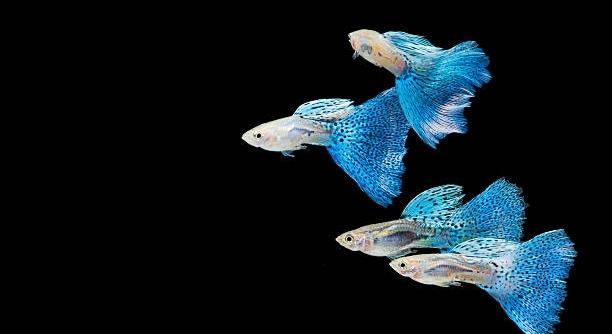
Guppies are popular aquarium fish, known for their vibrant colors and easygoing nature. However, maintaining the proper temperature in their tank is crucial for their well-being and overall health.
To improve guppy tank temperature, it’s essential to keep the water within a consistent range of 72-82°F (22-28°C). Using a reliable heater, monitoring water temperature regularly, and placing the tank in a stable environment will help maintain an optimal range.
Creating a steady temperature for your guppies involves small adjustments. By managing the right equipment and environment, you can ensure a happy, thriving tank.
Invest in a Good Heater
A reliable heater is one of the best ways to ensure your guppy tank stays at the right temperature. Without one, it’s easy for the water to fluctuate, stressing your fish. Guppies thrive in water that stays between 72-82°F (22-28°C). Heaters are available in various sizes, so it’s important to choose one based on your tank’s size. Larger tanks will require stronger heaters, while smaller tanks can use more compact models. Make sure the heater is placed properly to avoid hot spots in the tank, which can harm your fish.
A quality heater can be the difference between a healthy and unhealthy tank. It helps maintain a consistent environment that keeps your guppies comfortable.
Having the right heater ensures stable water temperature, reducing the risk of temperature shock. This is especially crucial if the room temperature varies a lot. To make sure your heater is working properly, monitor its settings regularly and test the water temperature. Avoid overheating, as it can harm your guppies.
Monitor Temperature Regularly
Consistent temperature checks are key to maintaining a healthy tank for your guppies. The easiest way to do this is with a thermometer, which helps track any changes in temperature. Regularly monitor your tank’s temperature to catch any unexpected fluctuations that could affect your guppies’ health.
A digital thermometer or a stick-on thermometer strip can give you accurate readings. Always place the thermometer in an area of the tank where it will get a good average of the water temperature. This way, you’ll have a clear understanding of the tank’s environment.
Regular monitoring allows you to address temperature changes quickly. If you notice the water is too cold or too hot, adjusting the heater or moving the tank to a more stable location can make a big difference. The key is to maintain a steady environment that doesn’t stress the fish.
Choose the Right Location for Your Tank
The placement of your guppy tank can have a big impact on maintaining the right temperature. Avoid areas where the temperature fluctuates too much, such as near windows, air conditioners, or heaters. Ideally, choose a spot that has stable ambient temperature and minimal airflow.
Putting the tank in a room with consistent temperature is key. If the room is too cold or too hot, it will be hard to maintain a steady water temperature for your guppies. Natural sunlight can also heat the water too much, which could stress the fish. Choose a place that provides protection from drafts or direct sunlight.
If the room temperature is unstable, consider using a heater guard or placing your tank in an area with less traffic. This ensures that your guppies are in a calm, stable environment. A well-placed tank can go a long way in maintaining the perfect water temperature for your fish.
Use a Tank Cover
A tank cover can help maintain temperature by preventing heat loss through evaporation. By covering the top of the tank, you minimize the amount of heat escaping from the water. This is particularly useful in larger tanks where heat loss can be more significant.
In addition to preserving heat, a cover helps prevent dust and debris from getting into the tank. It also reduces the chances of fish jumping out, which is a common issue with guppies. A secure cover keeps the water temperature more stable and creates a safer environment for your guppies.
Tank covers are available in different materials, such as glass or acrylic, and should be chosen based on your tank’s size and style. Ensure the cover fits securely and allows enough airflow to prevent oxygen depletion. Regularly clean the cover to avoid dust buildup, which could affect your guppies’ health.
Use an Aquarium Thermostat
An aquarium thermostat ensures the water temperature remains consistent. Many heaters come with built-in thermostats, but standalone thermostats can provide more precise control. It helps maintain the desired temperature range without fluctuations.
A thermostat works by automatically turning the heater on or off based on the set temperature. It prevents the water from becoming too hot or too cold, which could stress your guppies. Regularly check the thermostat to make sure it’s working properly, as an inaccurate thermostat can lead to problems with water temperature.
If your aquarium doesn’t come with a built-in thermostat, consider purchasing a separate one for better control. It’s an easy investment that can keep your guppies happy and healthy.
Insulate the Tank
Insulating your tank can help keep the temperature stable by reducing heat loss. You can use materials like foam or specialized tank insulation to line the outside of the aquarium. This helps the water stay warmer for longer periods, especially during cooler months.
Proper insulation reduces the need for constant heating adjustments, saving energy. It also helps prevent sudden drops in temperature that could stress your guppies. Insulating is a cost-effective way to improve temperature stability, particularly in rooms with fluctuating temperatures.
A simple insulation job can make a significant difference in maintaining the right temperature for your guppies, making them feel more comfortable.
Avoid Overcrowding the Tank
Overcrowding can affect the tank’s temperature regulation. More fish means more heat produced, which can lead to higher temperatures in the tank. This can make it harder to maintain a stable environment for your guppies.
To prevent overheating and stress, ensure the tank isn’t overcrowded. Each guppy requires enough space to swim comfortably and maintain a healthy environment. A well-spaced tank ensures the heater can do its job more efficiently, leading to a more stable temperature.
FAQ
How do I know if the water temperature is too high for my guppies?
If the water temperature exceeds 82°F (28°C), it may stress your guppies. They may become lethargic, swim erratically, or spend more time near the surface, gasping for air. Overheating can cause stress and weaken their immune system, making them vulnerable to diseases. If you notice these signs, it’s important to take action to cool the tank down by adjusting the heater, adding ice cubes in a bag (carefully), or moving the tank to a cooler area. Consistent high temperatures can shorten their lifespan, so regular monitoring is crucial.
What is the best way to cool down a guppy tank?
To cool down a guppy tank, first, lower the heater setting to prevent it from increasing the temperature further. You can add frozen water bottles or ice packs in a plastic bag to gradually lower the temperature, but avoid directly adding ice into the tank. Another option is placing the tank in a cooler room. If the temperature is high during the summer, a fan blowing across the surface of the water can also help. Make sure the temperature doesn’t drop too quickly, as drastic changes can be harmful.
Can my guppies tolerate temperature changes?
Guppies are fairly resilient but they don’t handle rapid temperature changes well. Sudden fluctuations can cause stress, weaken their immune system, and make them more susceptible to illness. Ideally, keep the temperature steady within the 72-82°F (22-28°C) range. If you need to adjust the temperature, do so gradually. Small, incremental changes over several hours are better than sudden shifts.
What’s the best aquarium heater for a guppy tank?
The best aquarium heater for guppies is one that is reliable and suited to your tank’s size. For smaller tanks, a 50-watt heater will often suffice, while larger tanks will require heaters with higher wattages. A submersible heater is usually a good choice because it distributes heat evenly. Make sure it has a built-in thermostat for temperature regulation. Additionally, choose a heater with a protective guard to prevent your guppies from getting too close and getting burned.
How can I prevent my guppy tank from overheating?
To prevent overheating, keep the tank away from direct sunlight, heaters, or any other heat sources. Make sure the room temperature stays within a consistent range. Avoid using a heater that is too powerful for your tank size, as this can lead to rapid water temperature increases. Additionally, you can use a tank cover to reduce heat loss, keeping the temperature more stable.
Is it safe to use a thermometer with my guppy tank?
Yes, using a thermometer in your guppy tank is essential. It allows you to monitor the water temperature regularly and ensure that it remains within the ideal range. You can use either a stick-on thermometer or a digital one for more accuracy. Make sure the thermometer is placed away from the heater, as this can give you a false reading of the water’s average temperature. Regularly checking the temperature ensures that your guppies stay healthy and comfortable.
What is the ideal temperature for guppies?
The ideal temperature for guppies is between 72°F and 82°F (22°C to 28°C). Within this range, they are most active and healthy. Water temperatures outside of this range can cause stress, affect their behavior, and even shorten their lifespan. It’s important to maintain a stable temperature as sudden fluctuations can lead to health problems. A good aquarium heater and regular monitoring can help ensure the temperature stays within this range.
Can a fluctuating room temperature affect my guppies?
Yes, fluctuating room temperature can affect your guppies. If the room temperature changes significantly throughout the day or night, it will be harder to maintain a consistent water temperature in the tank. This can cause stress and health problems for your guppies. Keeping the tank in a room with stable temperature conditions is essential. If that’s not possible, consider using a heater with a thermostat to regulate the water temperature more effectively.
Why is my heater not maintaining the right temperature?
If your heater is not maintaining the right temperature, there could be several reasons. It might be malfunctioning or not powerful enough for the size of your tank. Check the heater settings and ensure it’s suitable for your tank size. If it’s working intermittently, it could be a sign of wear and tear, in which case replacing the heater would be necessary. Also, ensure the heater is fully submerged, as inadequate water levels can prevent it from heating the tank properly.
How can I prevent heat loss in my guppy tank?
To prevent heat loss in your guppy tank, consider insulating the tank with materials like foam or aquarium insulation. A tank cover can also help trap heat, reducing evaporation and minimizing temperature fluctuations. Additionally, keep the tank in a stable, draft-free environment. Regularly check the temperature to ensure your heating system is working efficiently.
Do guppies need a heater in their tank?
Yes, guppies require a heater in their tank, especially if the room temperature falls below 72°F (22°C). While they can tolerate mild variations, they prefer a warm and stable environment. A heater will help keep the water temperature consistent, which is important for their overall health and activity. Without a heater, the water can cool down too much, causing stress and weakening your guppies’ immune system.
Final Thoughts
Maintaining the right temperature in your guppy tank is essential for their well-being. Guppies are sensitive to temperature changes, and a stable, comfortable environment ensures they thrive. If the water is too hot or too cold, it can lead to stress, poor health, or even death. Keeping the temperature between 72°F and 82°F (22°C and 28°C) is the best way to make sure your guppies stay active and healthy. It’s important to invest in a reliable heater, monitor the temperature regularly, and adjust the tank’s environment as needed to maintain this optimal range.
Along with maintaining the right temperature, it’s crucial to avoid sudden changes. Guppies don’t handle rapid fluctuations well, so small, gradual adjustments are key. Using tools like an aquarium thermostat, thermometer, and a heater with a reliable control system can help you keep things stable. Pay attention to factors like room temperature and the placement of the tank. Placing your guppy tank in a draft-free spot away from windows or air conditioning units will help prevent sudden temperature shifts. This attention to detail will make sure your guppies are not only comfortable but also protected from unnecessary stress.
Taking the time to understand your guppies’ temperature needs will benefit their long-term health. Regular maintenance and monitoring of the tank’s temperature create a stress-free environment where your guppies can live happily. By following the tips mentioned, such as using proper equipment and ensuring the tank is placed in an ideal location, you can provide your guppies with the best possible care. With a little attention, your guppy tank can be a thriving and enjoyable habitat for your fish.

Hello,
If you enjoy the content that we create, please consider saying a "Thank You!" by leaving a tip.
Every little bit helps us continue crafting quality advice that supports the health, happiness, and well-being of pets around the world, for pets of all shapes, sizes, and species.
We really appreciate the kindness and support that you show us!