
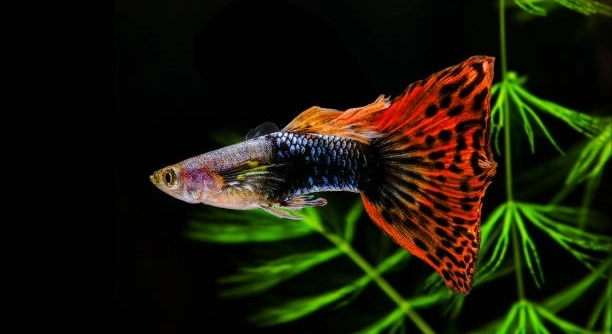
Guppies are popular aquarium fish, admired for their vibrant colors and energetic movements. However, their health depends on a balanced and nutritious diet. This article will highlight seven simple ways to enhance your guppies’ nutrition.
Improving guppy nutrition involves offering a variety of foods that meet their specific dietary needs. Key factors include choosing high-quality flake food, supplementing with live or frozen options, and ensuring a balanced intake of protein, vitamins, and minerals.
By following these tips, you can promote better health and vibrant colors in your guppies. Providing the right diet is essential to their overall well-being and longevity. Keep reading to discover effective ways to feed your guppies more nutritiously.
Offer a Balanced Diet with Flake Foods
Flake food is often the foundation of a guppy’s diet. It provides the basic nutrients necessary for their survival and growth. Choose high-quality flakes designed specifically for tropical fish. These flakes typically contain proteins, essential fats, and vitamins to support healthy development and vibrant colors.
However, it’s important to rotate the types of flake foods you offer, as different brands may provide various nutrient profiles. Make sure to check the label and ensure that the flakes include a variety of ingredients like fish meal, shrimp meal, and spirulina. This will help guarantee that your guppies receive a well-rounded diet.
While flake food is convenient and nutritious, don’t rely solely on it. Over time, feeding your guppies only one type of food may lead to nutritional imbalances. Providing a variety of foods alongside flake options will ensure that your guppies thrive and maintain their health in the long term.
Add Live or Frozen Foods to Their Diet
Live or frozen foods are a great addition to your guppies’ diet. Foods like brine shrimp, daphnia, or bloodworms give your fish a natural protein source and stimulate their hunting instincts.
Incorporating live or frozen foods into your guppy’s meals provides them with extra nutrients and variety, helping them to stay active and healthy. Rotate different options to ensure their diet is diverse and meets all their needs.
Include Plant-Based Foods in Their Diet
Guppies are omnivores, meaning they eat both plant and animal matter. Adding plant-based foods to their diet helps to provide fiber and important vitamins. Vegetables like spinach, lettuce, and peas can be included in their meals.
You can either blanch the vegetables to make them easier to eat or feed them raw. Be sure to remove any uneaten portions promptly to avoid water pollution. Vegetables provide a good source of fiber, which helps with digestion and prevents constipation. Including plant-based foods will balance their diet and promote healthy growth.
Some guppies may not immediately show interest in plant matter, so it may take some time for them to adjust. Gradually introducing vegetables alongside their usual food can help them become more accustomed to it. In the long run, this will support their digestive health and overall well-being.
Provide High-Quality Protein Sources
Protein is essential for guppies to grow and maintain their energy. Offering high-quality protein sources like live brine shrimp, bloodworms, or high-protein pellets is vital for their diet.
These protein-rich foods promote healthy muscle development and help guppies maintain a vibrant color. The nutrients in proteins also support their immune system, ensuring that they stay strong against diseases. Protein is especially important during breeding seasons when guppies need extra energy for reproduction. Make sure to vary the protein sources to ensure they get a well-rounded intake of essential amino acids.
Use High-Quality Fish Food Pellets
Pellets are a great staple in a guppy’s diet, as they provide concentrated nutrients. Choose high-quality pellets designed for guppies, as these will contain the right balance of proteins, fats, and vitamins. Pellets help ensure your fish receive the essential nutrients they need for healthy growth.
Pellets should be offered in moderation to avoid overfeeding. They are particularly beneficial for adult guppies, as they are more nutrient-dense compared to flake foods. Additionally, pellets are often less likely to cause water pollution, making them a cleaner option for your tank.
Maintain a Consistent Feeding Schedule
Feeding your guppies on a consistent schedule will help regulate their metabolism and prevent overfeeding. Offer food twice a day, and ensure they consume the amount they need within a few minutes.
Sticking to a routine keeps your guppies healthy and helps them develop a sense of stability in their environment. Consistency in feeding also reduces the chances of overfeeding and tank contamination, maintaining a cleaner aquatic space for your fish.
FAQ
What is the best food for guppies?
The best food for guppies combines high-quality flake food, live or frozen options, and occasional plant-based meals. A balanced mix of proteins, fats, and vitamins ensures they get all the nutrients they need for vibrant colors, healthy growth, and energy. Look for flake food specifically labeled for guppies, and supplement it with live brine shrimp, daphnia, or bloodworms. Occasionally offering vegetables like spinach or peas will also contribute to their overall health.
How often should I feed my guppies?
You should feed your guppies two to three times a day. Guppies are small fish with fast metabolisms, so they need frequent meals, but only small amounts each time. Avoid overfeeding, as uneaten food can cause water pollution. Make sure to remove leftover food after a few minutes to keep the tank clean. Maintaining a consistent feeding schedule will help regulate their growth and prevent digestive issues.
Can I overfeed my guppies?
Yes, overfeeding is a common issue with guppies. Overfeeding can lead to obesity, water pollution, and even fish disease. Guppies tend to eat quickly, but they don’t need large portions. Only feed them what they can consume in about two to three minutes. Leftover food decomposes in the water, which can lead to ammonia buildup and poor water quality, so always monitor their feeding habits carefully.
What types of live food should I feed my guppies?
Live foods like brine shrimp, daphnia, and bloodworms are great options for guppies. These foods provide natural protein and are highly nutritious. You can buy them frozen if live options are unavailable. Live food also helps mimic the natural hunting behavior of guppies, keeping them active and stimulated. However, it’s important to ensure these foods are clean and free from parasites, as this can cause health problems for your fish.
Can I feed my guppies only vegetables?
While guppies are omnivores, feeding them only vegetables isn’t advisable. They need a balanced diet with both plant matter and protein. Vegetables like spinach, zucchini, and peas are beneficial for digestion, but without adequate protein, guppies may not get all the nutrients they need to thrive. Incorporate both plant-based and protein-rich foods for optimal health.
How do I know if my guppies are getting the right nutrition?
Healthy guppies should have vibrant colors, active movements, and a healthy appetite. If they seem lethargic, have faded colors, or aren’t eating properly, they may not be getting enough nutrition. Regularly observe their behavior and check for signs of malnutrition, such as skinny bodies or poor growth. Adjust their diet accordingly to address any concerns.
Can I feed my guppies freeze-dried foods?
Freeze-dried foods can be part of your guppy’s diet but should not be the main food source. Freeze-dried options retain most of the nutrients but can be hard for guppies to digest in large amounts. Use freeze-dried foods as a supplement, not a primary food source. They can provide variety but should always be paired with fresh or frozen options to ensure your fish receive the full spectrum of nutrients.
What are the signs of overfeeding in guppies?
Overfeeding can lead to a variety of problems in guppies. Signs include bloating, sluggishness, and uneaten food accumulating at the bottom of the tank. If your guppies are consistently overfed, the water quality can decline, leading to health problems like fin rot or skin lesions. Additionally, overfed guppies may experience digestive issues, causing them to be more prone to illnesses. Monitor feeding times and portions to avoid these issues.
Should I adjust my guppy’s diet if I have baby guppies?
Yes, baby guppies (fry) require different nutrition than adults. They need small, finely ground food that is easy to eat. High-quality fry food or powdered flakes is best for young guppies, as it provides them with the right nutrients for rapid growth and development. As they grow, you can slowly introduce larger foods like finely crushed flakes or tiny live foods.
Can I feed my guppies food from my own kitchen?
While it may be tempting to feed your guppies leftover food, it’s not recommended. Human food, such as bread, meat, or processed items, may contain ingredients that are harmful to fish. Always provide them with fish-specific foods like pellets, flakes, and live or frozen options. Some vegetables from your kitchen, like spinach, peas, and zucchini, are fine, but always ensure they’re prepared properly (blanched or chopped into small pieces).
Is it okay to mix different brands of fish food?
Yes, it’s fine to mix different brands of fish food as long as they meet the dietary requirements for guppies. Many fish owners like to rotate between brands to offer a variety of nutrients. Just make sure the food is designed for tropical fish and provides a well-balanced mixture of protein, vitamins, and fats. Some brands may be richer in certain nutrients, so mixing them can help create a more balanced diet for your guppies.
Can guppies eat bloodworms?
Yes, guppies can eat bloodworms. These are a great protein source that supports growth and vibrant coloration. You can feed bloodworms live, frozen, or freeze-dried. It’s important to only feed them as a treat or supplement rather than a main food source, as variety is key for maintaining a balanced diet.
Final Thoughts
Proper nutrition is essential for keeping guppies healthy and vibrant. By offering a variety of high-quality foods, such as flakes, live or frozen options, and vegetables, you ensure that your guppies receive the nutrients they need for growth, energy, and color. Each food type plays a role in providing different essential elements. Flake food is often the base, offering a balanced diet, while live foods like brine shrimp or bloodworms add valuable protein. Vegetables, on the other hand, support healthy digestion and provide fiber. This variety helps prevent nutritional imbalances and supports your guppy’s overall well-being.
A consistent feeding schedule is also important for your guppies’ health. It’s best to feed them two to three times a day, providing small portions that they can consume in just a few minutes. Overfeeding can cause serious issues, such as poor water quality, digestive problems, and obesity. Keeping an eye on how much they eat and removing any uneaten food after a short time will help maintain a clean tank and prevent water pollution. Regularly checking the condition of your fish, such as their activity levels and color, will help you monitor if their diet is working as intended.
Lastly, remember that guppies are small and fast-moving fish, so their nutritional needs may change as they grow. Babies or young guppies require finer foods that are easy to eat, while adults can handle larger, more nutrient-dense options. The key to success is providing a balanced, varied diet that supports all stages of their life, while being mindful not to overfeed. By paying attention to their feeding habits and adjusting their diet when needed, you can ensure that your guppies live a long, healthy life in your aquarium.

Hello,
If you enjoy the content that we create, please consider saying a "Thank You!" by leaving a tip.
Every little bit helps us continue crafting quality advice that supports the health, happiness, and well-being of pets around the world, for pets of all shapes, sizes, and species.
We really appreciate the kindness and support that you show us!