
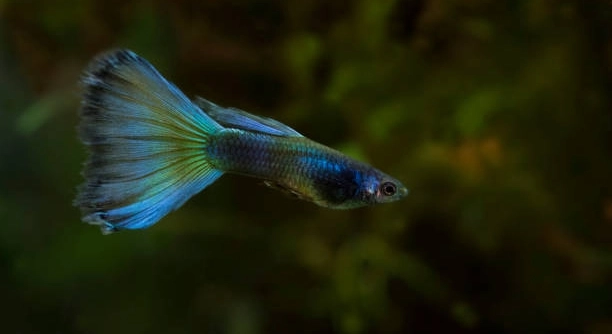
Guppies are popular aquarium fish, known for their vibrant colors and lively nature. However, like all pets, ensuring they live a long, healthy life requires attention to their care and environment.
To improve guppy lifespan, focus on providing proper nutrition, maintaining water quality, controlling tank temperature, preventing overstocking, monitoring health, avoiding sudden changes, and minimizing stress. These factors work together to promote a longer, healthier life for your guppies.
Taking steps to address these factors can enhance your guppies’ health and longevity, ensuring they thrive for years to come.
Providing Proper Nutrition
Feeding your guppies a balanced diet is key to their overall health. Offering a variety of foods like high-quality flakes, pellets, and occasional live or frozen food will ensure they get all the necessary nutrients. Avoid overfeeding, as this can lead to poor water quality, which harms the fish.
Proper nutrition enhances guppy immunity and growth. Include foods rich in protein, fiber, and vitamins to support their needs. A balanced diet also promotes vibrant coloration, helping your guppies look their best.
Feed your guppies small amounts twice a day. This prevents waste buildup in the tank and ensures they get the right nutrition without overloading their system. Make sure to remove any uneaten food after a few minutes to keep water quality intact. Additionally, variety in their diet can prevent nutrient deficiencies, ensuring your guppies stay active and healthy for a long time.
Maintaining Clean Water
Clean water is essential for guppy health. Regular water changes help prevent the buildup of toxins that could harm them. Use a high-quality filtration system and check water parameters regularly to keep ammonia and nitrite levels safe.
A consistent maintenance routine prevents many common health problems in guppies. Test the water every week to monitor temperature, pH, and hardness. Clean the substrate and decorations periodically to avoid debris and algae buildup.
Water quality directly affects your guppies’ longevity. Inconsistent water conditions lead to stress, making them more vulnerable to diseases. Regularly monitor and adjust water parameters as needed to ensure a stable environment. Also, avoid sudden changes, as they can cause shock, harming the fish.
Controlling Tank Temperature
Maintaining a stable water temperature is crucial for guppy health. Keep the water between 74°F and 82°F to avoid stressing your fish. Sudden changes in temperature can lead to illness or death. A reliable heater helps maintain consistency.
Temperature fluctuations can weaken your guppies’ immune system, leaving them vulnerable to disease. It’s important to regularly check the heater’s functionality to ensure it’s working properly. If your tank is in a colder area, consider a heater with a thermostat to prevent overheating or cooling.
In addition to using a heater, keep the tank away from direct sunlight or drafts, as this can cause temperature swings. Maintaining the right temperature ensures your guppies remain active, vibrant, and less prone to stress-related health issues. A stable environment contributes to their long-term health and lifespan.
Preventing Overstocking
Overcrowding can quickly lead to poor water quality, stress, and disease. Avoid placing too many guppies in one tank. A general rule is one inch of fish per gallon of water.
Overstocking often leads to competition for resources, including food and space. This stress can decrease lifespan and lead to aggressive behaviors among fish. It can also cause poor water quality, as more waste is generated.
To keep your tank healthy, make sure to adhere to the proper stocking limits. If your guppies are breeding, consider removing some of the offspring to avoid overcrowding. Regularly test water parameters and adjust tank size or filtration as needed to ensure your guppies have enough space to thrive.
Monitoring Health
Regularly check your guppies for signs of illness. Look for unusual swimming behavior, faded colors, or changes in appetite. Prompt attention can prevent diseases from spreading.
Maintaining a close eye on your guppies allows you to detect early signs of illness. If you spot anything unusual, quarantine the affected fish to avoid spreading potential diseases to others. Always keep your tank clean and monitor water parameters to maintain a healthy environment.
Reducing Stress
Stress can significantly shorten your guppies’ lifespan. Avoid sudden changes in their environment, such as loud noises or aggressive tankmates.
Provide plenty of hiding spots and plants for guppies to feel secure. Additionally, consider adjusting the lighting to create a more calming atmosphere. Stress-free guppies are healthier and live longer.
FAQ
What is the ideal tank size for guppies?
A minimum tank size of 10 gallons is recommended for guppies, especially if you have more than one. Larger tanks help maintain stable water conditions and provide more space for swimming. Smaller tanks can become overcrowded quickly, leading to poor water quality and stress.
How often should I change the water in my guppy tank?
Water changes should be done regularly, about 25-30% of the tank’s volume every 1-2 weeks. This prevents the buildup of harmful toxins like ammonia and nitrate, ensuring that your guppies remain in a healthy environment. Keep track of your water parameters and adjust changes based on the tank’s condition.
Can I keep male and female guppies together?
Yes, male and female guppies can live together. However, if you have multiple males, you might notice some aggression as they compete for the females. To avoid stress, it’s advisable to have more females than males to reduce competition and aggression.
What do guppies eat?
Guppies are omnivores and thrive on a varied diet. High-quality flakes or pellets should be their main food, supplemented with live or frozen foods such as daphnia, brine shrimp, or bloodworms. Make sure to feed small portions twice a day and remove any uneaten food.
How can I tell if my guppy is sick?
Signs of illness include fading color, unusual swimming patterns (e.g., swimming upside down or near the surface), loss of appetite, and lesions or spots on the skin. If you observe any of these symptoms, isolate the sick fish and treat them accordingly.
What is the lifespan of a guppy?
Guppies generally live 2-3 years, but with proper care, they can sometimes live longer. Factors such as water quality, diet, and tank conditions play a major role in their lifespan. Guppies in well-maintained tanks tend to thrive and live out their full potential lifespan.
Can guppies live with other fish?
Guppies are peaceful and can live with other small, non-aggressive fish. Good tank mates include neon tetras, corydoras catfish, and mollies. Avoid housing them with fin-nipping species or overly aggressive fish. Always consider the temperament and size of potential tank mates before introducing them.
Why do my guppies swim at the surface?
Guppies may swim at the surface if the oxygen levels in the tank are low. This could be due to poor water circulation or a lack of aeration. Ensure your tank has proper filtration and aeration to maintain healthy oxygen levels for your fish.
How often should I feed my guppies?
Feed guppies small amounts 2-3 times a day. They have small stomachs and can easily become overfed, leading to water quality issues. It’s best to give them only what they can consume in a few minutes and avoid leaving food in the tank.
Do guppies need a filter?
Yes, a filter is essential for maintaining clean water and providing proper filtration. It helps remove toxins, excess food, and waste products, creating a healthier environment for your guppies. Choose a filter with an appropriate flow rate for your tank size to avoid stressing the fish.
How do I prevent overbreeding in guppies?
To prevent overbreeding, remove male guppies if you only want females or keep a higher ratio of females to males. Additionally, removing newborn fry from the tank or separating them from the adults can control the guppy population and prevent overcrowding.
Can I use tap water for my guppy tank?
Yes, but tap water often contains chlorine and chloramines that can harm your guppies. Use a water conditioner to neutralize these chemicals before adding it to the tank. Always test the water for pH, hardness, and other parameters to ensure it’s safe for your fish.
Why are my guppies not breeding?
There can be several reasons for this, including stress, water quality issues, or the absence of suitable mates. Ensure that your water parameters are within the proper range, provide hiding spots for fry, and make sure you have both male and female guppies in the tank.
Do guppies need light?
Yes, guppies require a consistent light cycle. Natural or artificial light for 10-12 hours a day helps regulate their biological rhythms. Avoid leaving the light on 24/7, as this can cause stress and disrupt their natural cycle. A timer can help maintain a regular light schedule.
What temperature is best for guppies?
The ideal temperature for guppies is between 74°F and 82°F. Keeping the water in this range ensures they remain active and healthy. Sudden temperature shifts can stress them, so it’s best to use a reliable heater to maintain a consistent temperature.
Can I keep guppies in a community tank?
Yes, guppies are peaceful and often do well in community tanks with other small, non-aggressive fish. Choose tank mates carefully, avoiding fin-nipping species or larger fish that may pose a threat. Always ensure your guppies have enough space to swim comfortably.
How do I stop my guppies from being aggressive?
Aggression can be reduced by ensuring a proper male-to-female ratio and providing plenty of hiding spots in the tank. Keeping only one male for every 2-3 females can reduce competition. Additionally, keeping your tank well-maintained reduces stress, which can lead to aggression.
What is the best filtration system for a guppy tank?
A hang-on-back filter or sponge filter works best for guppy tanks. These filters provide gentle water flow, which is ideal for guppies, and help maintain clean water. Choose a filter with a flow rate that matches your tank’s size to avoid stressing the fish.
Do guppies need to be quarantined?
Yes, it’s recommended to quarantine new fish before adding them to your main tank. This helps prevent the spread of diseases to your existing guppies. Keep new fish in a separate tank for at least 2-3 weeks to monitor their health.
Can I feed guppies vegetables?
Yes, guppies can eat small amounts of vegetables, such as blanched spinach, zucchini, or peas. These provide important nutrients and variety in their diet. Always remove uneaten vegetables from the tank to prevent water contamination.
Final Thoughts
Guppies are relatively easy to care for, but maintaining their health and extending their lifespan requires attention to detail. By creating a stable and clean environment, you can help your guppies thrive. Regular water changes, monitoring the water temperature, and preventing overcrowding are all essential steps to ensure they stay healthy. These small changes in your routine can make a significant impact on their well-being and longevity.
Proper feeding is another key factor in guppy care. Offering a balanced diet of high-quality food and occasionally supplementing with live or frozen options can support their growth and immune system. Avoid overfeeding, as this can lead to poor water quality and other health issues. Additionally, keeping an eye on their behavior and appearance will help you identify problems early, allowing for prompt treatment before the issue escalates.
Taking the time to reduce stress and create a comfortable tank environment will also promote a longer life for your guppies. Simple additions, such as plants, hiding spots, and ensuring a proper light cycle, can all contribute to a more relaxed atmosphere. By following these straightforward guidelines, you can enjoy healthy and vibrant guppies for years to come. Their playful and colorful nature can bring beauty and joy to your home, and with the right care, they will continue to flourish.

Hello,
If you enjoy the content that we create, please consider saying a "Thank You!" by leaving a tip.
Every little bit helps us continue crafting quality advice that supports the health, happiness, and well-being of pets around the world, for pets of all shapes, sizes, and species.
We really appreciate the kindness and support that you show us!