
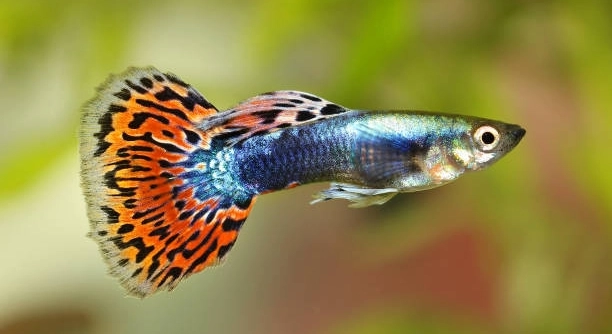
Guppy breeding can be a rewarding experience for fish enthusiasts, but achieving consistent success can be challenging. Whether you’re new to breeding or looking to improve your results, there are simple strategies to follow.
Improving guppy breeding success requires a combination of proper water conditions, balanced nutrition, appropriate tank setup, and selective breeding. Ensuring a healthy environment for the fish promotes better breeding rates and healthier offspring over time.
Small adjustments to your guppy care routine can make a big difference in their breeding success. We’ll guide you through easy ways to improve your results and help your guppies thrive.
1. Water Conditions Matter
Water quality is crucial when breeding guppies. The right temperature, pH levels, and cleanliness all contribute to healthy fish and successful breeding. Guppies thrive in water temperatures between 75°F and 80°F, with a pH range of 7.0 to 8.0. Regular water changes also prevent harmful toxins from building up. Poor water conditions can cause stress, leading to reduced breeding success or unhealthy offspring.
Guppies are sensitive to sudden changes in water quality. A stable environment will make them more comfortable and encourage breeding.
One way to maintain optimal water conditions is by investing in a reliable water test kit. It helps track pH, ammonia, and nitrite levels, giving you insight into the health of the tank. Use a heater to keep the temperature steady and make regular water changes—about 25% of the water each week. This will prevent unwanted fluctuations and ensure the guppies remain in a healthy, stress-free environment.
2. Proper Diet
A balanced diet helps guppies stay healthy and improves their chances of reproducing. Provide a mix of high-quality flakes, pellets, and occasional live food like brine shrimp or daphnia. Proper nutrition ensures the fish are strong and capable of producing healthy offspring.
A varied diet provides guppies with essential vitamins and nutrients, which help with growth, vitality, and breeding.
Feed your guppies twice a day, offering only as much food as they can eat in a few minutes. Overfeeding can lead to poor water quality, so avoid leaving excess food in the tank. You can also supplement their diet with fresh vegetables like spinach or zucchini. Additionally, high-protein food encourages better breeding, as it supports the health of both the males and females. If you notice a decrease in breeding activity, evaluate their diet and make adjustments as needed. A healthy and well-fed guppy is more likely to breed successfully.
3. Tank Setup
Guppies need a comfortable and safe space to breed. A well-planted tank with plenty of hiding spots will reduce stress and encourage breeding. Live plants like Java moss or Anubias are perfect for this. They provide cover for both adults and fry, keeping them safe.
A breeding tank should be at least 10 gallons to give guppies enough space. Adding a sponge filter ensures the water stays clean without creating strong currents. The fish will feel more at ease in a stable environment, increasing the likelihood of successful breeding. Keep the tank free of sharp decorations that could harm the fish.
To create a breeding-friendly setup, ensure that the tank has both open swimming areas and spots for guppies to hide. The plants offer great shelter for the fry, protecting them from adult fish that may prey on them. Adding a breeding box or mesh divider can also help keep the pregnant female safe. This setup ensures that guppies are comfortable and allows for a smooth breeding process. A good environment goes a long way in improving breeding success.
4. Selective Breeding
If you’re aiming to improve the quality of your guppy offspring, selective breeding is the way to go. By choosing the healthiest and most vibrant fish, you can gradually improve your breeding results. Focus on traits like color, size, and fin shape for more predictable offspring.
It’s important to select both male and female guppies carefully. Healthy fish will produce healthy babies, so avoid breeding individuals showing signs of disease or poor genetics.
When selecting your breeding pair, make sure the male and female are of similar size and health. A larger male may overpower the female, leading to stress and potential injury. Keep in mind that guppies breed frequently, so even after a successful pairings, they may continue to reproduce. Monitor the tank and remove fry or extra males if necessary to avoid overcrowding. Over time, selective breeding can help you develop a group of guppies that are more likely to thrive and breed successfully.
5. Temperature Control
Maintaining a steady water temperature between 75°F and 80°F is essential for breeding. Too cold or too hot water can stress the fish, resulting in fewer successful pregnancies. Use a reliable aquarium heater to keep the temperature consistent.
Changes in temperature can impact both guppy health and breeding habits. For optimal results, avoid sudden fluctuations, as they may cause discomfort and affect the breeding cycle.
For those living in areas with fluctuating room temperatures, a good quality heater with a thermostat will keep the water at a stable, ideal temperature. It’s important to check the water regularly, as fluctuating temperatures can disrupt breeding patterns. Maintaining a stable environment encourages guppies to breed successfully.
6. Light Cycle
Guppies thrive on a consistent light cycle of 12 hours of light and 12 hours of darkness. This mimics their natural environment and helps regulate their breeding habits.
Too much light can cause stress, while insufficient light can interfere with their reproductive cycle. Proper lighting helps them feel secure.
Invest in an aquarium light that is on a timer to maintain a consistent day-night cycle. A regular light schedule reduces stress and helps with their overall health. Guppies need a clear distinction between day and night to breed regularly. This small adjustment can make a big difference in your success rate.
FAQ
How can I tell when my guppy is ready to breed?
A female guppy is ready to breed when her gravid spot, located near her abdomen, darkens and becomes more prominent. You’ll also notice her abdomen expanding as she carries the developing fry. In general, female guppies can breed as early as 3 months old.
To ensure the female is fully prepared, keep an eye on her behavior. When she’s ready to breed, she may become more active and swim around the tank looking for a male. The male, on the other hand, will often display a more vibrant color and actively chase the female. A pregnant female will usually give birth within 4-6 weeks of mating, so it’s important to monitor her closely during this period.
How do I prevent guppy fry from being eaten?
Adult guppies may eat the fry if given the opportunity. To prevent this, create hiding spots in the tank using plants, rocks, or a breeding box. You can also move the female to a separate breeding tank before she gives birth to protect the fry.
Adding dense plants like Java moss or Hornwort can provide excellent hiding spaces for fry. These plants will give the young fish a place to shelter until they grow large enough to avoid being eaten. If you are using a breeding box, ensure it’s large enough to accommodate the fry comfortably and allows them to swim freely. After birth, remove the female from the box to prevent her from eating the fry once they’re born.
How often do guppies breed?
Guppies are prolific breeders and can mate every 30 days. Females can store sperm from a single mating session for several months, meaning they can give birth to several batches of fry without needing to mate again.
If you want to control the number of offspring, remove the female from the breeding tank after she gives birth. This ensures you don’t end up with too many fry, especially if the tank isn’t large enough to support them. Guppy fry are usually born in groups of 20 to 30, but some females can give birth to up to 100 fry at once.
What should I do if my guppies aren’t breeding?
If your guppies aren’t breeding, it may be due to several factors. First, check the water quality. Guppies need a clean, stable environment to breed successfully. Ensure that the water temperature is between 75°F and 80°F, the pH level is neutral to slightly alkaline, and there are no harmful toxins in the water.
Additionally, examine the health of your fish. Sick or stressed guppies are less likely to breed. Provide a balanced diet to support their health and encourage breeding behavior. If your fish are too young or too old, they may not be able to breed, so consider their age when attempting to breed them. Lastly, ensuring that there is an equal ratio of males and females can increase the chances of breeding.
Do guppies breed in a community tank?
Yes, guppies can breed in a community tank, but it’s important to ensure that other fish in the tank won’t stress them out or harm the fry. Some fish, like larger predatory species, may eat the guppy fry. To prevent this, create safe areas in the tank using plants or a breeding box for the fry.
Having a separate breeding tank can give guppies a safer environment to breed and raise their fry without the risk of predation. However, many guppy owners successfully breed them in community tanks by providing plenty of hiding spaces. The key is to ensure a peaceful, low-stress environment for both the adults and the fry.
How can I breed guppies for specific colors or traits?
Selective breeding is the key to achieving specific colors or traits in guppies. To breed for desired traits, select parent guppies that already display those characteristics. For example, if you want brighter colors, choose males and females with vivid colors and patterns.
Breeding for specific traits may take multiple generations, as genetics are passed down in unpredictable ways. If you are breeding for certain patterns or colors, keep detailed records of each breeding pair to track which combinations result in the desired outcome. You can also breed from different color variations to create new, unique guppy types over time.
Can guppies breed with other fish species?
Guppies will not successfully breed with other fish species. They can only breed with other guppies (Poecilia reticulata). However, male guppies may attempt to mate with females of other species, though these attempts will not result in viable offspring.
If you are interested in breeding different species of fish, it’s important to research each species’ specific breeding requirements. Keep in mind that many fish species have different mating behaviors, so crossbreeding between species isn’t possible without human intervention.
How can I ensure my guppy fry survive?
To give guppy fry the best chance of survival, ensure they have a safe environment with plenty of hiding spots and minimal risk from adult fish. You can use a breeding box to separate the fry from the adults, or add dense plants to provide cover.
Fry are very small and vulnerable when born, so it’s important to ensure the water quality is top-notch. Feed them appropriately by offering finely crushed flakes or specialized fry food. As they grow, gradually introduce larger food. Providing a stable environment and proper nutrition will help your guppy fry thrive and grow into healthy adults.
Final Thoughts
Breeding guppies can be a fun and rewarding experience, but it requires careful attention to detail. From creating the right environment to ensuring your guppies are healthy and well-fed, every step plays a role in successful breeding. The key to consistent results is maintaining stable water conditions, providing a balanced diet, and setting up the right tank for both the adults and fry. By understanding their needs and making simple adjustments, you can increase the chances of healthy, thriving guppies.
Selective breeding is another important factor to consider if you want to improve specific traits in your guppies, such as color or size. It may take some time to see results, but with patience and careful selection, you can create a line of guppies with the desired characteristics. Be mindful of their genetic health and avoid overbreeding, as this can lead to weaker offspring. By carefully choosing your breeding pairs and keeping track of their offspring, you’ll have better control over the traits passed down to the next generation.
Finally, it’s essential to understand that guppy breeding isn’t always a perfect process. There will be challenges along the way, like fry being eaten by adults or unexpected water quality issues. However, by staying consistent with your care routine, keeping an eye on your guppies’ health, and adjusting the environment as needed, you’ll improve your breeding results over time. With dedication and proper care, breeding guppies can become an enjoyable and successful part of your aquarium hobby.

Hello,
If you enjoy the content that we create, please consider saying a "Thank You!" by leaving a tip.
Every little bit helps us continue crafting quality advice that supports the health, happiness, and well-being of pets around the world, for pets of all shapes, sizes, and species.
We really appreciate the kindness and support that you show us!