
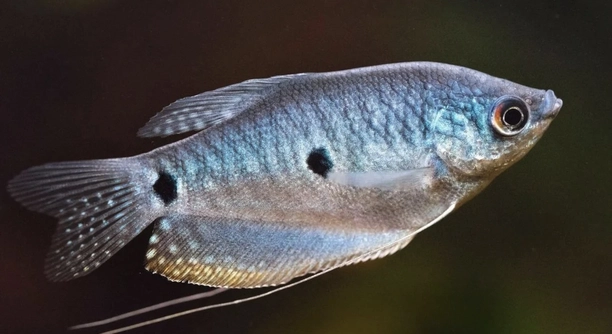
Are your gouramis refusing to breed, leaving you frustrated despite your efforts to create the right tank setup and conditions? It can feel discouraging when your fish seem uninterested, even when everything looks fine on the surface.
Improving gourami breeding odds often depends on water quality, tank environment, compatible pairings, and proper conditioning. Ensuring low-stress surroundings, providing a varied diet, and maintaining warm, stable temperatures can significantly influence reproductive behavior and increase spawning success.
Understanding these methods can help you set up a more reliable environment that encourages healthier behavior and better breeding outcomes for your gouramis.
Adjust the Tank Conditions Carefully
Creating a suitable tank environment is one of the most effective ways to improve your gouramis’ breeding odds. Start with a separate breeding tank that’s at least 10 gallons and fitted with a sponge filter to avoid strong currents. Keep the water temperature between 78°F and 82°F, and lower the water level to around six inches to mimic natural spawning areas. Add floating plants like water lettuce or Indian almond leaves to help create a sense of security. Dim lighting and soft water with a slightly acidic to neutral pH (6.5–7.0) will also help. Test the water often and maintain stable levels. Avoid sudden changes, as these can stress the fish and disrupt breeding. Make sure the tank is clean but not sterile—natural bacteria are helpful. By mimicking their natural habitat, you increase the chance that your gouramis will feel relaxed and ready to spawn.
Use gentle filtration and floaty plants to make the tank feel calm. This encourages bubble nest building and reduces stress in both fish.
The right tank setup helps the male focus on nest-building and the female to feel safe. When they feel secure, breeding behavior becomes more likely and successful. Keep the water warm, soft, and calm.
Feed a Varied, Protein-Rich Diet
Give your gouramis a diet that includes live or frozen foods like bloodworms, daphnia, and brine shrimp. This kind of diet boosts their energy and reproductive readiness. Avoid overfeeding, and aim to feed small portions multiple times a day. Fresh greens and high-quality pellets should also be included for balance.
For breeding to go smoothly, both male and female gouramis need to be well-conditioned with the right foods. A protein-rich diet improves egg production in females and helps males build strong bubble nests. Live or frozen foods like brine shrimp and bloodworms are especially useful during this time. Make sure to alternate food types to cover all nutritional bases. High-quality flakes or pellets can fill in the gaps but shouldn’t be the only source. Feed in smaller amounts, two to three times daily, to avoid waste and water contamination. This keeps the tank cleaner, which is essential for successful breeding. A clean environment, supported by the right foods, will improve your gouramis’ energy levels, immunity, and readiness to breed. Feeding them this way consistently over several days before breeding gives better results than waiting until signs of mating behavior appear.
Choose a Compatible Pair
Pick a healthy male and female that are similar in size and show no signs of aggression or stress. Avoid pairing overly dominant males or timid females, as this can lead to poor interaction and unsuccessful breeding.
Look for males with bright coloration and long fins, as these are signs of maturity and readiness. Females should have rounder bellies and a slightly duller appearance. If they chase or flare aggressively for too long, try switching one of them out. Place them together only when signs of bonding, like following or displaying, begin to show through a divider. This keeps stress low and gives them time to adjust. Use a clear tank divider for a few days to let them see and interact without direct contact. Once they seem calm, remove the divider and observe their behavior carefully. A compatible pair increases the chances of successful mating and egg fertilization.
Even with the best setup, the wrong pairing can make breeding impossible. Compatibility plays a big role in their willingness to engage in courtship. Watch for signs like nest building, gentle nudging, or side-by-side swimming. These are positive indicators that the pair is getting along well. If chasing becomes aggressive, separate them immediately.
Create a Stress-Free Environment
Stress can shut down breeding behavior entirely, even when all physical conditions are ideal. Keep tank activity low, avoid sudden movements around the aquarium, and reduce water changes during the breeding window. Calmer settings allow the pair to focus on nest building and courtship.
Use a sponge filter instead of strong filtration systems to maintain quiet water. Limit traffic around the tank and avoid placing it in loud or busy rooms. Provide plenty of cover with floating plants or tall decorations. These help the female hide if needed and make the tank feel secure. Do not introduce new tankmates or change tank layout during the breeding period. Sudden shifts in territory can disrupt the fish’s comfort and timing. Handle water changes gently and only when necessary. If breeding is already underway, disturbances could break the process. When fish feel safe, they’re more likely to follow through with the full courtship and spawning.
Watch for Bubble Nest Building
A bubble nest is a clear sign the male is ready to breed. It’s made at the water’s surface using air and saliva. If you see one forming, avoid disturbing the tank or changing the water too soon.
Once the nest is built, the male will become more territorial and active. He may start displaying to the female and guiding her toward the nest area. If she responds calmly, spawning may begin soon. Give them time and space to continue naturally.
Give the Female Time to Respond
Sometimes, even with the nest ready and conditions right, the female may need extra time before she’s ready to spawn. This is normal. Don’t rush the process or interfere unless signs of stress or aggression appear. Let her adjust to the space and observe her behavior closely. If she begins to stay near the nest or responds to the male with soft body movements, things are heading in the right direction. If she hides constantly or avoids him entirely, it may not be the right time. In that case, remove her and try again later with better conditioning.
Remove Adults After Spawning
Once spawning is complete and eggs are visible in the bubble nest, remove both adults. The male may eat the eggs if stressed, and the female might get attacked if she stays too close.
FAQ
How do I tell if my gouramis are ready to breed?
You’ll notice physical and behavioral signs when gouramis are ready to breed. Males often become more colorful and start building a bubble nest at the water’s surface. This nest looks like small bubbles grouped together and is usually placed under a leaf or in a corner. Females may develop a rounder belly, and if she shows interest in the male, she’ll swim nearby or beneath the nest. Watch their behavior. If the male starts flaring his fins and nudging gently while the female doesn’t flee or hide, that’s a good indicator they’re ready to start spawning.
What is the best tank setup for breeding gouramis?
A breeding tank should be quiet, separate from other fish, and around 10–20 gallons depending on the species. Keep the water level a bit low, around 6–8 inches, to help the male build and maintain the bubble nest. Use a sponge filter to keep water movement minimal, and add live or floating plants for shelter. Include broad-leaved plants or floating objects to help support the nest. Maintain water temperatures between 78°F and 82°F. The tank should also have a lid or cover, as gouramis breathe from the surface and warm, humid air helps young fry develop properly.
How do I condition my gouramis before breeding?
To prepare them, feed both male and female a high-protein diet for at least a week. Use foods like bloodworms, brine shrimp, or quality pellets. This helps boost energy and egg production. Keep them in separate tanks or use a divider so they can see but not touch each other. Observe their behavior and body shape during this time. A female’s belly will grow, and the male may begin showing territorial signs. Conditioning is important—it makes sure they are healthy, ready, and more likely to breed successfully when placed together in the same tank.
What should I do after spawning happens?
Once the eggs are released and gathered into the bubble nest, remove the female first to avoid aggression. The male usually guards the nest and will tend to the eggs until they hatch. If the male becomes stressed or starts destroying the nest, he should be removed as well. Keep the tank quiet and dim. The eggs will hatch in about 24–36 hours, and fry will become free-swimming in 2–3 days. At that point, remove the male if he’s still in the tank, and begin feeding the fry with infusoria or specially prepared fry food.
Why aren’t my gouramis breeding even though conditions are right?
Even if everything looks good, breeding can still fail due to stress, poor compatibility, or immature fish. Some pairs just don’t match well and may ignore each other or become aggressive. Try switching out one of the fish. Make sure they are fully conditioned, and avoid sudden tank changes. Another common issue is water quality—double-check parameters like temperature, pH (around 6.5–7.5), and ammonia levels. Also, make sure the lighting isn’t too harsh and the tank isn’t in a noisy area. Sometimes they need more time to adjust before breeding can start.
How do I care for the fry after hatching?
After hatching, fry stay close to the bubble nest and absorb their yolk sacs for the first few days. Once they start swimming freely, feed them small, live foods like infusoria or commercially made fry food. Keep the water clean with small, gentle changes and maintain steady warmth. Avoid using strong filters as fry are delicate. As they grow, gradually introduce larger food like baby brine shrimp. Watch for signs of overcrowding and separate some if needed. Maintaining good water quality and feeding them properly will support steady, healthy growth in the early stages.
Final Thoughts
Breeding gouramis can feel challenging at first, but with the right setup and care, your chances of success will increase. It all starts with creating a peaceful environment where the fish feel safe. Clean water, gentle filtration, and warm temperatures are all important. When the tank is calm and conditions are stable, your gouramis are more likely to behave naturally and begin the breeding process. Paying attention to their behavior helps too. Small actions like a male building a bubble nest or a female staying close to him are signs that things are going in the right direction.
Feeding your gouramis well before breeding also plays a big part. Giving them quality foods like bloodworms and brine shrimp helps prepare their bodies for reproduction. A strong, healthy pair is more likely to spawn and raise fry successfully. Even if breeding doesn’t happen right away, don’t feel discouraged. Sometimes it takes a few tries for a pair to become comfortable enough to breed. Swapping in a new male or female, or adjusting the tank slightly, can often make a big difference. Staying patient and observant during this time helps you make the best choices for your fish.
Once the fry arrive, the work continues. Baby gouramis are fragile and need special care, especially in their early days. Starting with the right foods and keeping the water extra clean will help them grow stronger day by day. It’s also helpful to remove any stress from the tank by keeping it quiet and limiting changes. Each small step—conditioning, monitoring behavior, feeding properly, and protecting fry—adds up to better breeding results. With time and practice, you’ll better understand your fish and what they need. Whether you’re trying to breed gouramis for the first time or just looking to improve your chances, staying consistent and thoughtful will lead to better results.

Hello,
If you enjoy the content that we create, please consider saying a "Thank You!" by leaving a tip.
Every little bit helps us continue crafting quality advice that supports the health, happiness, and well-being of pets around the world, for pets of all shapes, sizes, and species.
We really appreciate the kindness and support that you show us!