
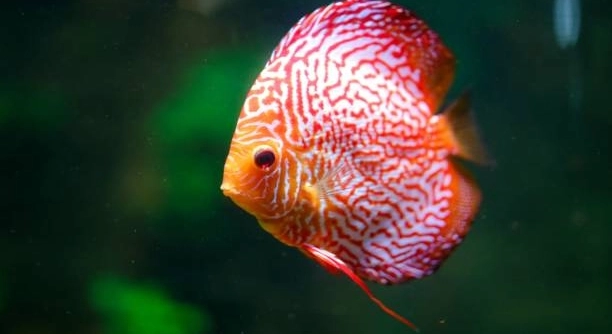
Keeping discus fish healthy depends a lot on maintaining clean water. Many hobbyists face challenges when water quality suddenly drops. This article shares quick and practical tips to improve discus tank water effectively.
Improving discus water quality quickly involves regular water changes, proper filtration, controlling feeding amounts, and monitoring water parameters like pH and ammonia. These steps help create a stable environment that supports discus health and growth.
Learning these methods can make a big difference in your tank’s condition. Simple changes often lead to better water and happier fish overall.
Regular Water Changes
Performing regular water changes is one of the fastest ways to improve water quality for discus fish. Removing 20-30% of the tank water weekly helps lower harmful substances like nitrate and ammonia. Fresh water brings in oxygen and balances minerals, which supports fish health. When doing water changes, use a gravel vacuum to clean the substrate. This prevents waste buildup that can harm the fish. Always treat tap water with a dechlorinator to avoid damaging beneficial bacteria. Consistency is key—skipping changes can lead to quick water deterioration. Keeping a schedule for water changes also makes it easier to notice any unusual changes in the tank.
Water changes stabilize the environment and reduce stress for discus fish. Healthy water means healthier, more active fish that show better colors and appetite.
Regular water maintenance is a simple but powerful habit that protects your discus tank from sudden water quality drops. It helps maintain a balanced habitat, making other care steps more effective.
Proper Filtration System
Using a proper filtration system is essential to keep discus water clean and clear. A good filter removes physical waste and harmful chemicals. It also supports beneficial bacteria that break down toxic ammonia into less harmful nitrate. Choose a filter rated for your tank size to ensure adequate water turnover. Filters with biological, mechanical, and chemical filtration stages work best for discus tanks. Regular filter maintenance is important—clean or replace filter media as needed but avoid washing all media at once to preserve helpful bacteria. A properly working filter reduces water changes frequency and helps keep water parameters stable.
Control Feeding Amounts
Overfeeding is a common problem that quickly worsens water quality. Feed only what your discus can eat in about two minutes. Removing leftover food prevents waste buildup.
Uneaten food decomposes and releases ammonia, which is harmful to discus fish. Feeding small, frequent meals instead of large amounts helps keep the tank clean. Use high-quality, easily digestible food to reduce waste production. Pay attention to your fish’s appetite and adjust feeding amounts accordingly. Keeping feeding consistent also supports better water stability.
When feeding amounts are controlled, water stays cleaner longer. This reduces the strain on filtration and decreases the risk of sudden water issues. Simple feeding habits have a big impact on maintaining discus health.
Monitor Water Parameters Regularly
Testing water regularly is crucial to keep discus water safe. Key parameters to watch are ammonia, nitrite, nitrate, and pH levels. Using test kits helps catch problems early.
Maintaining ammonia and nitrite at zero prevents toxicity. Nitrate should stay below 20 ppm to avoid stress. Discus prefer a stable pH between 6.0 and 7.0. Fluctuations in pH can harm their health. Keeping an eye on these parameters allows you to react quickly and adjust care. Tracking water quality data over time also helps spot trends and prevent issues before they worsen.
Maintain Proper Temperature
Discus fish need stable water temperatures between 82°F and 86°F. Sudden changes can stress them and affect water quality. Use a reliable heater and thermometer to keep the temperature steady.
A consistent temperature helps discus maintain their metabolism and immune system. Avoid placing the tank near windows or vents where temperature fluctuates.
Use Live Plants
Live plants improve water quality by absorbing nitrates and producing oxygen. They also create a natural environment that helps discus feel more secure and less stressed.
Adding plants like Java fern or Amazon sword can reduce harmful substances and improve tank balance.
Avoid Overcrowding
Too many fish in one tank leads to more waste and faster water quality decline. Keep discus tanks well-stocked but not crowded to maintain a healthy environment.
A lower fish population makes it easier to manage water parameters and reduces stress on all fish.
How often should I change the water in my discus tank?
Water changes should be done regularly, usually 20-30% once a week. This helps keep nitrate levels low and removes other waste that builds up over time. If your tank is heavily stocked or feeding is frequent, you might need to do changes more often. Consistency is important to avoid sudden water quality drops.
What is the best filter type for discus tanks?
Canister filters and sponge filters are great options for discus tanks. Canister filters provide strong mechanical, biological, and chemical filtration, which keeps water clear and safe. Sponge filters are gentle and support beneficial bacteria growth, making them good for fry or smaller tanks. Using a combination can also work well. Just ensure the filter is rated for your tank size.
Why is ammonia dangerous for discus fish?
Ammonia is toxic to discus and can cause gill damage, stress, and even death if levels get too high. It comes from fish waste, uneaten food, and decaying plants. Beneficial bacteria in the filter convert ammonia into less harmful nitrite and nitrate, so maintaining a good biofilter is key to keeping ammonia at zero.
Can I use tap water directly in my discus tank?
Tap water often contains chlorine and chloramine, which are harmful to fish and beneficial bacteria. Always treat tap water with a dechlorinator before adding it to the tank. Some tap water may also have varying pH or hardness levels, so testing and adjusting water parameters may be necessary to keep discus comfortable.
How can I tell if my discus is stressed because of water quality?
Signs of stress include dull colors, loss of appetite, hiding, and unusual swimming behavior. Poor water quality often causes stress, so if you notice these signs, test your water for ammonia, nitrite, nitrate, and pH. Immediate action like water changes or filter cleaning may be needed.
Is it necessary to monitor pH daily?
Daily pH monitoring isn’t usually required unless your tank has a history of fluctuations or you use unstable water sources. Weekly checks are often enough for a well-established tank. However, sudden changes in pH can harm discus, so if you notice stress signs, test pH right away.
What’s the best way to clean the substrate without disturbing the tank too much?
Use a gravel vacuum during water changes to gently remove debris and uneaten food from the substrate. Avoid stirring up too much sediment at once, as this can cloud the water and increase ammonia levels. Vacuum small sections regularly instead of cleaning the whole substrate at once.
Can live plants replace the need for water changes?
Live plants help absorb nitrates and improve oxygen levels, but they cannot fully replace water changes. Plants slow down water quality decline but waste still builds up. Regular water changes remain necessary for a healthy discus environment.
How many discus can I keep per gallon of water?
A good rule is 1 discus fish per 10 gallons of water. This ensures enough space and reduces waste buildup. Overcrowding leads to poor water quality and stressed fish. Adjust numbers based on filtration strength and tank maintenance habits.
What type of food creates the least waste in a discus tank?
High-quality, easily digestible foods like frozen bloodworms, brine shrimp, and specially formulated discus pellets produce less waste. Avoid overfeeding and remove uneaten food quickly to prevent water pollution. Feeding smaller portions more often helps keep water cleaner.
How can I stabilize water parameters after a sudden change?
Perform partial water changes with treated water that matches tank temperature and pH. Use conditioners and additives as needed to restore balance. Check filtration and avoid adding more fish or stressors until the water stabilizes. Patience is important, as sudden changes can take time to correct.
Is it normal for discus tanks to smell slightly earthy?
A mild earthy smell can come from natural substrates, plants, and beneficial bacteria. It’s normal if it’s faint. Strong foul or ammonia-like smells indicate poor water quality and require immediate attention with water changes and cleaning.
Should I test for nitrates if they are less harmful than ammonia?
Yes, nitrates can build up to harmful levels over time. Keeping nitrates below 20 ppm helps prevent long-term stress and illness in discus fish. Regular testing and water changes are the best way to control nitrate levels.
How important is aeration in a discus tank?
Good oxygen levels are critical, especially in warmer water. Aeration from air stones or filter outlets helps keep oxygen dissolved in the water. Healthy oxygen supports fish metabolism and beneficial bacteria, improving overall water quality.
Can I use water conditioners to fix all water quality problems?
Water conditioners help neutralize chlorine, chloramine, and heavy metals but cannot fix all issues. They do not remove nitrates or clean physical waste. Regular water changes, proper filtration, and maintenance remain essential. Conditioners are one tool among many for healthy water.
Keeping discus fish healthy depends greatly on maintaining good water quality. It takes some effort, but the benefits are clear. Clean water helps discus grow strong and show their beautiful colors. When water quality is poor, fish can become stressed, sick, or even die. The tips shared earlier, like regular water changes, proper filtration, controlling feeding, and monitoring water parameters, are simple but effective ways to keep the tank environment stable. Following these steps regularly will create a safer and more comfortable home for your discus.
Water quality can change quickly if not managed carefully. Things like leftover food, fish waste, and overstocking can cause problems fast. That is why keeping a schedule for cleaning and testing the water is important. Using test kits to check ammonia, nitrite, nitrate, and pH helps catch issues early before they harm your fish. Also, having a good filter that works well with your tank size supports the natural breakdown of harmful chemicals. This balance between water changes, filtration, and feeding creates a healthier environment that supports discus wellbeing.
Every discus keeper will face challenges with water quality at some point. It might seem overwhelming at first, but with time, these maintenance habits become easier and second nature. Small daily or weekly actions can prevent bigger problems later on. Keeping an eye on the tank and making adjustments as needed is part of good discus care. In the end, clean and stable water helps discus live longer, stay vibrant, and be more active. This care routine is the foundation for enjoying healthy, beautiful discus fish for years to come.

Hello,
If you enjoy the content that we create, please consider saying a "Thank You!" by leaving a tip.
Every little bit helps us continue crafting quality advice that supports the health, happiness, and well-being of pets around the world, for pets of all shapes, sizes, and species.
We really appreciate the kindness and support that you show us!