
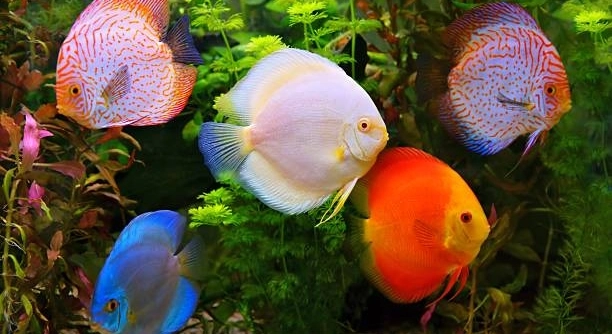
Discus fish are known for their vibrant colors, but sometimes those colors can fade or dull. Many hobbyists want to find natural ways to bring back or enhance their discus’s bright appearance. Keeping discus healthy is key to maintaining their beauty.
Improving discus color naturally involves proper diet, clean water, balanced lighting, and stress reduction. Each of these factors supports pigment development and overall fish health, leading to richer and more vivid colors without relying on artificial additives.
These simple methods can make a noticeable difference in your discus’s look and wellbeing. Learning to care for them naturally helps create a better environment for these beautiful fish.
Provide a Nutritious Diet
A discus’s color largely depends on what it eats. Feeding your fish a varied and balanced diet rich in natural pigments is essential. Foods like spirulina, krill, and bloodworms contain carotenoids that help enhance reds, oranges, and yellows in discus. Including high-quality flakes or pellets made specifically for discus ensures they get all necessary nutrients. Avoid overfeeding, which can lead to poor water quality and stress, both of which dull colors. Rotating foods also helps prevent nutritional deficiencies and keeps your fish interested in their meals. A healthy diet supports strong immune function, which indirectly benefits color vibrancy by keeping the fish active and well. Using fresh, natural ingredients rather than artificial color enhancers leads to healthier and more stable coloration over time.
A proper diet alone won’t restore colors if other conditions are poor. Water quality and environment matter just as much for the fish’s appearance.
Regularly changing the diet and feeding small amounts several times a day can make a significant difference. It’s important to observe your discus for signs of dietary satisfaction and adjust as needed to keep them vibrant and healthy.
Maintain Optimal Water Conditions
Stable, clean water is vital for discus color health. Frequent water changes keep ammonia, nitrite, and nitrate levels low, preventing stress that dulls coloration. Water temperature between 82-86°F supports metabolism and pigment development. pH should be slightly acidic to neutral (6.0-7.0) as discus thrive best in these conditions. Using a reliable filtration system helps maintain clarity and quality. Avoid sudden water changes or fluctuations, as they shock the fish and reduce color brightness. Proper aeration also supports oxygen levels, which keeps fish active and vibrant. Testing water regularly ensures parameters remain consistent. Clean water prevents diseases and promotes a healthy environment where discus can display their best colors naturally.
Adjusting water conditions may take patience but results are visible over time.
Maintaining good water quality requires consistent monitoring and routine care. Keep a schedule for water changes and tests, and avoid overcrowding your tank. Overcrowding increases waste and competition, both harmful to color intensity. Use gentle filtration and avoid harsh chemicals. Creating a stable habitat allows discus to express their natural colors fully, making the effort worthwhile.
Control Lighting in the Tank
Lighting affects discus color by influencing pigment cells. Too much light can stress fish and bleach colors. Too little light prevents pigments from showing their full potential.
Using moderate lighting that mimics natural daylight helps discus display their true colors. LED lights with adjustable intensity allow control over brightness and duration. Aim for 8-10 hours of light daily to simulate a natural cycle without overexposing the fish. Avoid direct sunlight, which can cause algae growth and temperature fluctuations. Position lights to evenly cover the tank, preventing dark spots and reducing stress. Proper lighting supports healthy behavior and vibrant coloration.
Adjusting the lighting schedule gradually helps discus adapt without stress. Monitoring how your fish respond will guide fine-tuning light levels. Balanced lighting is a simple but powerful way to enhance discus color naturally.
Reduce Stress and Keep a Calm Environment
Stress dulls discus colors quickly, so minimizing stressors is important. Avoid sudden movements, loud noises, and frequent tank disturbances.
Maintaining stable water parameters, gentle filtration, and peaceful tankmates reduces stress. Provide plenty of hiding spots with plants or decorations where discus feel secure. Keep the tank in a quiet room away from heavy traffic. Regular feeding routines help fish feel safe and reduce anxiety. Handling discus should be limited, as frequent catching or moving causes stress and color loss. Observe fish behavior to catch signs of stress early, like hiding or loss of appetite. A calm environment encourages strong coloration and overall health.
Creating a stress-free tank requires attention to detail and patience. When discus feel safe and comfortable, their natural colors become more vibrant, making all your care efforts rewarding.
Use Natural Plants in the Aquarium
Natural plants create a more comfortable and familiar environment for discus. They help reduce stress and improve water quality by absorbing toxins.
Plants also provide hiding spots and break up light, helping discus feel secure. A planted tank encourages natural behavior and enhances color vibrancy.
Regular Tank Maintenance
Keeping the tank clean is crucial for discus health and color. Regular water changes remove waste and prevent buildup of harmful substances.
Maintaining filters and removing uneaten food prevents poor water quality. Consistent upkeep creates stable conditions that let discus show their best colors without stress or illness interfering.
Avoid Overcrowding
Too many fish in one tank increases competition and stress, which dulls discus colors. Give each fish enough space to swim freely and claim territory.
Proper stocking levels promote peace and healthy color development.
Monitor Fish Health
Healthy discus have brighter colors. Watch for signs of illness like faded colors, clamped fins, or lethargy. Early detection helps prevent color loss caused by sickness.
FAQ
How often should I feed my discus to improve their color?
Feeding discus small amounts multiple times a day is best for color enhancement. Typically, 2 to 3 feedings daily provide a steady supply of nutrients. Overfeeding can harm water quality and stress the fish, which dulls their colors. Rotate their diet between high-quality pellets, live or frozen foods like bloodworms and brine shrimp, and plant-based options such as spirulina. Consistency and variety ensure discus get the natural pigments needed for vibrant coloration.
Can lighting alone make discus colors brighter?
Lighting affects how colors appear but can’t create pigments by itself. Proper lighting helps discus show their natural hues but must be combined with good diet and water conditions. Too much light causes stress and fading, while too little light keeps colors dull. Using LED lights with adjustable intensity and maintaining a consistent 8-10 hour light cycle supports healthy color expression.
What water parameters are best for discus color?
Discus thrive in warm, soft, slightly acidic water. Ideal temperature ranges from 82°F to 86°F, pH between 6.0 and 7.0, and low hardness levels. Stable conditions reduce stress, helping fish keep vibrant colors. Frequent testing and careful adjustments maintain the right balance. Sudden changes or poor water quality weaken fish and cause color loss.
Why does my discus lose color after moving to a new tank?
Moving discus to a new environment is stressful, which often leads to fading colors. New tanks might have different water chemistry or lighting, which can confuse the fish. To reduce this, acclimate discus slowly by gradually mixing new tank water with their old water. Keep water parameters stable and maintain proper diet and lighting to help colors recover over time.
Are artificial color enhancers safe for discus?
Artificial color enhancers may temporarily boost colors but can harm discus health if used frequently. These additives sometimes cause nutritional imbalances or stress. Natural methods like a good diet, clean water, and stable environment promote healthier, longer-lasting color. It’s better to avoid chemicals and focus on proper care for your discus.
How can stress affect discus coloration?
Stress weakens the immune system and slows pigment production in discus, causing dull or faded colors. Common stress sources include poor water quality, overcrowding, sudden changes, and aggressive tankmates. Reducing stress with proper tank setup, regular maintenance, and peaceful companions helps discus maintain bright colors and stay healthy.
Can plants really help improve discus color?
Yes, live plants improve the tank environment by reducing stress and stabilizing water quality. They offer hiding places and soften lighting, which makes discus feel safe. Comfortable fish are more likely to show vivid colors. Plus, plants help absorb waste, keeping water cleaner and healthier for discus.
How long does it take to see color improvement using natural methods?
Color improvement varies but usually takes several weeks to months with consistent care. Diet changes, water maintenance, and reducing stress gradually bring out better colors. Patience is key because rapid changes often indicate health problems. Watching your discus over time will show steady progress as they adjust to improved conditions.
Is tank size important for discus coloration?
Tank size matters because discus need space to swim and establish territories without stress. Overcrowding leads to fighting and dull colors. A tank of at least 50 gallons for a small group is recommended. More space promotes peaceful behavior and helps discus develop brighter colors naturally.
What signs show that discus colors are improving?
Improving colors usually start as deeper hues and more contrast on the body and fins. Fish become more active and display clearer patterns. Bright reds, blues, and yellows become more intense. Healthy fish also have smooth scales and no patches or spots. Regular observation helps track positive changes and adjust care if needed.
Improving discus color naturally takes time and consistent care. It’s not about quick fixes but about creating the right environment for your fish to thrive. Good nutrition, clean water, stable lighting, and low stress all play important roles in bringing out the best colors. Each factor works together to support your discus’s health and appearance. When these needs are met, your fish will show brighter, more vivid colors over time.
Many discus owners find that focusing on a natural approach is more rewarding than using artificial color boosters. Natural methods help the fish stay healthy longer and avoid problems caused by chemicals or poor water quality. By paying attention to water parameters, feeding a balanced diet, and keeping the tank peaceful, you encourage your discus to display their true beauty. The process requires patience and observation, but the results are well worth the effort.
Remember that discus are sensitive fish and need steady care to maintain their colors. Sudden changes or neglect can cause fading and illness. Taking small, regular steps to improve their environment will create a strong foundation for healthy, colorful fish. Whether you’re new to discus or have kept them for years, focusing on natural ways to enhance color benefits both you and your fish in the long run.

Hello,
If you enjoy the content that we create, please consider saying a "Thank You!" by leaving a tip.
Every little bit helps us continue crafting quality advice that supports the health, happiness, and well-being of pets around the world, for pets of all shapes, sizes, and species.
We really appreciate the kindness and support that you show us!