
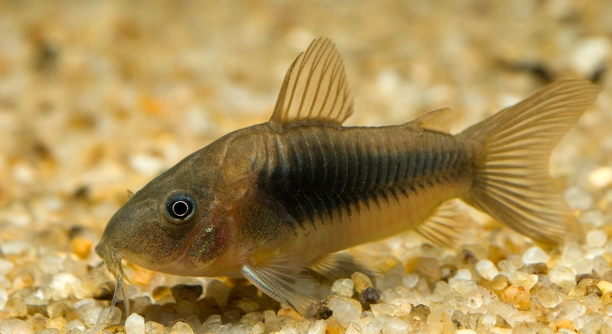
Corydoras catfish are popular aquarium residents known for their peaceful nature and bottom-dwelling habits. They thrive in environments that mimic their natural habitat, where they feel safe and comfortable. A proper substrate is key for their well-being.
The best way to improve Corydoras comfort in a sand substrate tank is by maintaining a soft, fine sand layer. This provides a smooth surface for their delicate barbels and allows for natural foraging behavior, which keeps them healthy and stress-free.
Taking the time to adjust the substrate and water conditions can make a big difference. These changes not only benefit the Corydoras catfish but also enhance the overall tank environment, making it more enjoyable for both the fish and the aquarist.
Choose Fine, Soft Sand for the Substrate
Corydoras catfish are sensitive to rough substrates, so using fine, soft sand is essential. This type of sand is gentle on their barbels, the sensory organs on their faces that help them explore the tank. Avoid using coarse gravel or sharp-edged sand, as these can cause irritation and even injury. Fine sand mimics the soft, sandy riverbeds where Corydoras naturally live, providing them with a safe environment for digging and scavenging. A soft sand substrate also allows them to sift through the sand as they search for food, a natural behavior that helps keep them active and healthy.
Incorporating soft sand into your tank will help your Corydoras feel comfortable and secure. It’s a small but effective change that supports their well-being in the long run.
Additionally, be mindful of how you place the sand. Avoid compacting it too tightly. Loose sand offers better filtration and creates a healthier environment for your fish by preventing the buildup of harmful waste. Keeping the sand loose will also allow for more natural digging behavior, which your Corydoras will love.
Keep Water Conditions Stable and Clean
Consistent water conditions are essential for Corydoras comfort.
Corydoras catfish are highly sensitive to changes in water temperature, pH, and ammonia levels. Ensuring the water is clean and well-maintained will help them feel more at ease. Regular water changes, good filtration, and monitoring of water parameters like pH and hardness will prevent stress and illness. In addition, Corydoras prefer slightly acidic to neutral water conditions, typically with a pH range of 6.5 to 7.5.
Keeping your tank’s water clean is crucial to their health. Ammonia and nitrate buildup can lead to respiratory issues and infections. To minimize the risk of these harmful substances, set up a reliable filtration system and conduct water changes weekly. By doing so, you’ll create a peaceful, safe environment for your Corydoras, allowing them to thrive in their tank. A stable environment will reduce stress and increase their chances of living a long, healthy life.
Provide Hiding Spots and Shelter
Corydoras catfish are shy creatures that appreciate having places to hide.
Adding decorations such as plants, rocks, and caves will provide your Corydoras with places to retreat when they feel stressed or scared. These shelters mimic their natural habitat, where they seek refuge from predators. Corydoras are bottom-dwellers and enjoy spending time in secluded spots, so creating these hiding places is essential for their well-being. Live plants, driftwood, and smooth rocks can serve as both hiding spots and enriching elements in the tank.
Make sure the decorations you add are smooth and free from sharp edges. Rough surfaces can injure their delicate barbels as they move around the tank. Additionally, it’s important to keep the tank well-lit while ensuring that the hiding spots remain accessible. Too much light or cluttered spaces may discourage your Corydoras from exploring. Providing these areas not only makes them feel secure but also encourages more natural behaviors, such as foraging and socializing with other fish.
Ensure Proper Tank Size and Stocking
Overcrowding can cause stress and health issues for Corydoras.
It’s crucial to have enough space in your tank to keep Corydoras comfortable. A tank that’s too small can lead to increased aggression, water quality problems, and overcrowding, which may result in a stressed-out fish. A 20-gallon tank is usually suitable for a small group of Corydoras. The more space you offer, the better your catfish will thrive. Additionally, avoid stocking your tank with too many fish, as this can lead to poor water quality and increased stress for all species.
Maintaining a balance of tank size and stocking helps ensure that your Corydoras feel safe. It allows them to move freely, interact with others, and explore without feeling confined. Keep in mind that these catfish are peaceful creatures, so try to pair them with non-aggressive tank mates. Having a low-stress, spacious environment will not only help your Corydoras stay healthy but also prevent potential issues such as territorial disputes or fighting. They’ll enjoy more time for their natural activities, like swimming, foraging, and interacting with other peaceful fish.
Use a Gentle Filter System
Corydoras catfish prefer slow-moving water.
A strong filter can create strong currents that may cause stress to Corydoras. Use a gentle filter system to keep the water clean without disturbing the fish. Sponge filters or low-flow canister filters are great choices. These systems are gentle on delicate catfish, preventing unnecessary stress.
A gentle filter also helps maintain water quality by removing debris and excess waste, making it easier to care for your tank. Keeping the water clear without strong currents supports your Corydoras’ natural behavior, allowing them to move freely without fighting against the current.
Feed Properly and Regularly
Corydoras are bottom feeders that enjoy scavenging for food.
To keep your Corydoras healthy, feed them a balanced diet that includes sinking pellets, frozen foods, and live treats. Offering food that sinks to the bottom ensures that your Corydoras have access to their meals. Be sure to feed them in small portions to prevent uneaten food from contaminating the water.
Feeding your Corydoras a proper diet will keep them active and content. Sinking pellets are a good staple, while occasional treats like bloodworms or brine shrimp will add variety and nutrition. It’s important to avoid overfeeding, as excess food can lead to poor water quality.
FAQ
What type of sand is best for Corydoras in a tank?
Corydoras catfish thrive best in fine, soft sand. Coarse sand or gravel can damage their delicate barbels, causing irritation and injury. Look for fine, smooth sand that won’t scratch or harm them. Silica sand or play sand is a good choice, as it is safe and provides a natural feel for the fish. It’s also easy to clean, which helps maintain water quality. Avoid sharp-edged or overly rough sand, as it can cause physical stress to your catfish and create an unhealthy environment.
How deep should the sand be for Corydoras catfish?
The sand layer in your tank should be deep enough to allow Corydoras to dig and forage naturally. A depth of about 1 to 2 inches is ideal. This allows your Corydoras to burrow and sift through the sand, which is a natural behavior. Be cautious not to make the sand layer too deep, as it may cause poor water circulation and trap waste, affecting water quality. A thin, loose layer works best to promote healthy digging behavior and provides a comfortable environment for the fish.
Can Corydoras live with other fish?
Yes, Corydoras are peaceful bottom dwellers and typically get along with other non-aggressive fish. They do best in community tanks with other peaceful species, like tetras, guppies, or other catfish. It’s important to avoid tank mates that are too aggressive or fast-swimming, as they might outcompete Corydoras for food. Similarly, make sure your other fish are not large enough to prey on them. Corydoras are social and enjoy being in groups of 3 or more, which also helps reduce their stress levels.
How often should I change the water in a Corydoras tank?
Regular water changes are crucial for maintaining a healthy environment for Corydoras. A good rule of thumb is to change 20-25% of the tank water every week. This helps remove waste, uneaten food, and toxins, ensuring that the water stays clean. You may need to do more frequent water changes if the tank is overstocked or if you notice an increase in ammonia or nitrate levels. Always use a water conditioner to remove chlorine or chloramine from tap water before adding it to the tank.
What is the best temperature for Corydoras catfish?
Corydoras catfish prefer water temperatures between 72°F and 79°F (22°C to 26°C). Keeping the water within this range will ensure they stay comfortable and healthy. Water that’s too cold or too warm can stress them out, weakening their immune system and making them more susceptible to diseases. If your tank’s temperature fluctuates too much, you may need to use a reliable aquarium heater to maintain a steady, warm temperature that keeps them active and thriving.
Do Corydoras need aeration in the tank?
Corydoras do not require strong aeration, but they do need good water circulation. Aeration can help maintain oxygen levels in the tank, but make sure it is not too strong, as Corydoras prefer calm waters. A gentle filter system is usually enough to keep oxygen levels adequate without creating strong currents. If your tank has low oxygen levels, consider adding a sponge filter or a small air pump, but be mindful to avoid disturbing the water too much.
How do I know if my Corydoras is stressed?
Stress in Corydoras can manifest in several ways. If you notice your catfish hiding constantly, swimming erratically, or rubbing against objects in the tank, it may be stressed. Another sign is if they stop eating or become unusually lethargic. Stress can also lead to health issues like skin infections, reduced immune function, or excessive mucus production. It’s important to identify the cause of the stress, such as poor water quality, aggressive tank mates, or unsuitable tank conditions, and address it quickly to prevent long-term damage to your fish.
Can I use a gravel substrate instead of sand for Corydoras?
While Corydoras can technically live in a gravel substrate, it is not ideal. Gravel is often rough and can damage their barbels, making it uncomfortable for them to forage. It also doesn’t allow for natural digging and sifting behaviors. Soft, fine sand is much more suitable, as it mimics their natural environment and is less likely to cause injury. If you must use gravel, choose smooth, rounded gravel to minimize the risk of harm.
How can I tell if my Corydoras is healthy?
A healthy Corydoras should have a bright, clear appearance with no visible signs of illness, such as cloudy eyes, unusual swimming patterns, or abnormal growths. Their barbels should be intact and functioning properly, and they should be active, especially during feeding time. Corydoras are bottom dwellers, so they spend a lot of time foraging in the substrate. If they are actively exploring and interacting with their tank mates, it’s a good sign they are in good health. Additionally, check for clear gills and healthy, unblemished skin.
Do Corydoras need special lighting in the tank?
Corydoras don’t require special lighting, but they do prefer low to moderate light. Bright, intense lighting can cause stress, as they are naturally accustomed to the darker, shaded environments found in their native habitats. A simple aquarium light that provides gentle illumination is sufficient. Be mindful of providing some shaded areas using plants or decorations, which can create places for Corydoras to retreat to if the light feels too intense.
Final Thoughts
Corydoras catfish are relatively easy to care for once you understand their needs and create the right environment. By using fine, soft sand, maintaining good water quality, and providing proper shelter, you can ensure these peaceful fish live happily and healthily in your aquarium. These small adjustments help mimic their natural habitat and reduce stress, allowing them to thrive. Ensuring your tank is well-maintained and stocked with suitable tank mates is also crucial for their comfort. By keeping a calm, stable environment, your Corydoras can be a joyful addition to your aquarium for years.
One important aspect to remember is that Corydoras are social creatures. They enjoy being in groups, so having at least three or more is ideal for their mental and physical well-being. A small school of Corydoras will also help reduce their stress and keep them active. With proper care, these bottom dwellers will often spend their days happily digging in the sand and foraging for food. They are not demanding fish but thrive in a well-balanced, low-stress tank. By keeping the water clean, temperature stable, and the fish well-fed, you’ll create a peaceful, thriving environment for them.
Finally, while Corydoras are hardy fish, they do require attention to their basic needs. Regular water changes, a suitable filter, and gentle water flow are essential to their overall health. It’s also crucial to monitor the water quality to avoid harmful substances like ammonia or nitrate buildup. If you follow the proper steps and pay attention to their preferences, Corydoras will make for happy and active tank mates. With these tips in mind, you can provide a safe, enjoyable home for your catfish and watch them flourish in their environment.

Hello,
If you enjoy the content that we create, please consider saying a "Thank You!" by leaving a tip.
Every little bit helps us continue crafting quality advice that supports the health, happiness, and well-being of pets around the world, for pets of all shapes, sizes, and species.
We really appreciate the kindness and support that you show us!