
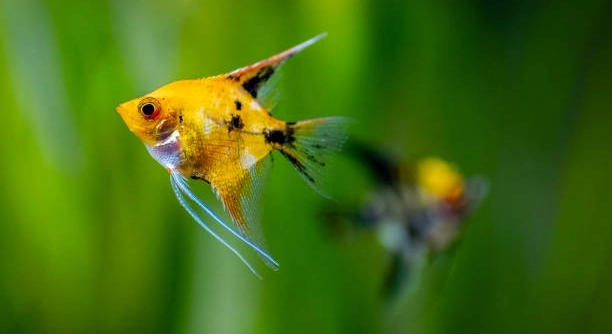
Angelfish are beautiful and popular aquarium fish, but they can sometimes struggle to live long, healthy lives in captivity. Whether you’re a seasoned fish keeper or a beginner, there are important steps you can take to ensure they thrive.
Maintaining a proper environment, providing a balanced diet, and managing stress are key factors to improving the longevity of angelfish in captivity. By making thoughtful adjustments to water conditions, feeding routines, and tank setups, you can support their health.
Taking care of these factors will help ensure your angelfish remain vibrant and healthy for years to come. Understanding the right environment for them is essential to their well-being.
Proper Tank Setup for Angelfish
Creating the right tank setup is one of the most important aspects of angelfish care. These fish need enough space to swim comfortably, ideally in a tank of at least 30 gallons. A larger tank allows them to establish territories, reducing stress. Make sure to use a gentle filter to avoid strong currents, as angelfish prefer calm waters. Plants, rocks, and decorations can also help by providing hiding spots and enhancing their environment.
The right tank temperature is between 75-82°F (24-28°C). Any fluctuations can cause stress, leading to health problems. Additionally, maintaining water hardness between 3-8 dKH and a pH level of 6.5-7.5 will promote a stable environment.
While tank decorations are essential, remember that overcrowding can cause stress. A balance between decorations and swimming space is key to keeping them calm. Ensure the filter is gentle, and perform regular water changes to keep water quality high, which will support their overall health and longevity.
Quality Diet for Angelfish
Feeding your angelfish a varied and nutritious diet is crucial to their long-term health. They need a combination of high-quality flakes, pellets, and occasional frozen or live foods like bloodworms or brine shrimp to stay healthy.
A well-balanced diet supports their immune system and promotes growth. Angelfish are omnivores, meaning they require both plant and animal matter in their diet. Make sure to provide food that is specifically formulated for angelfish to meet their nutritional needs.
It’s important not to overfeed them. Offering small portions 2-3 times a day ensures they receive the right amount without excess food polluting the water. Regularly adjusting their feeding routine based on their activity level and health is key to keeping them in top condition.
Water Quality Management
Maintaining clean, stable water is essential for angelfish health. Regular water changes are necessary to remove toxins and ensure a healthy environment. Test your water frequently to ensure that parameters like ammonia, nitrites, and nitrates are within safe levels.
Water changes should be done weekly, replacing about 25% of the water each time. This helps maintain water quality, reducing the buildup of harmful substances. It’s also a good idea to use a reliable water conditioner to neutralize chlorine and chloramine in tap water.
Filtration plays a significant role in keeping the water clean. Choose a filter appropriate for the size of your tank, but avoid those with strong currents. Regularly clean the filter to ensure it functions properly and effectively removes waste. Keeping the water free from pollutants supports your angelfish’s immune system and overall health.
Stress Reduction
Stress can significantly shorten the lifespan of your angelfish. Creating a peaceful environment is crucial. Avoid overcrowding the tank, as too many fish can lead to aggressive behavior and competition for resources.
Angelfish are territorial, so providing plenty of hiding spots and plants can reduce territorial disputes. Also, try to keep tank mates calm and compatible, avoiding aggressive fish that might stress them out. Stability in water conditions, lighting, and tank temperature also helps reduce stress.
Keeping noise levels low around the tank is another way to minimize stress. Angelfish can be sensitive to sudden movements and loud sounds, which might cause them to feel anxious. A calm, quiet environment will help them feel more secure and less likely to experience health problems.
Regular Tank Maintenance
Regular maintenance is key to keeping your angelfish healthy. This includes cleaning the substrate, removing uneaten food, and ensuring the filter is working properly. It also means checking for any signs of algae growth and controlling it before it gets out of hand.
Once a week, inspect all equipment and perform routine cleaning to prevent any build-up of waste. Keep the tank decor clean and free of debris to ensure the water remains healthy. By maintaining the tank consistently, you’ll help prevent many common issues that affect angelfish, such as water contamination.
Choosing Compatible Tank Mates
Choosing the right tank mates is crucial to preventing stress and injury. Angelfish are peaceful but territorial, so they do well with other calm, non-aggressive species.
Avoid pairing them with fin-nipping fish or overly aggressive species that might stress them out. Fish that live at different levels in the tank (such as bottom dwellers) can help reduce competition for space and keep the environment more peaceful.
Avoid Overfeeding
Overfeeding angelfish can lead to health problems and water pollution. Provide only what they can consume in a few minutes to avoid leftover food that can decompose and affect water quality.
Feeding them too much can cause obesity and digestive issues, impacting their overall health. Stick to regular feeding times and avoid the temptation to overfeed.
FAQ
How long do angelfish live in captivity?
Angelfish typically live for about 10 years in captivity, but with optimal care, they can live even longer. Providing a stable environment, proper diet, and regular tank maintenance can significantly increase their lifespan. Stress, poor water conditions, and an improper diet can shorten their life expectancy.
What is the best water temperature for angelfish?
The ideal water temperature for angelfish ranges between 75-82°F (24-28°C). Keeping the temperature within this range helps promote healthy growth and prevents stress. Temperature fluctuations should be avoided, as they can negatively affect their immune system and overall health. Use a reliable heater to maintain consistent warmth.
Can angelfish live with other fish?
Yes, angelfish can live with other fish, but it’s essential to choose peaceful tank mates. Avoid fish that are aggressive or overly territorial. Angelfish are generally calm but may become territorial during breeding. Fish like tetras, guppies, and plecos usually make good companions.
How often should I change the water in my angelfish tank?
Water changes should be done weekly, replacing about 25% of the water. This helps remove waste, toxins, and excess nutrients, keeping the water quality high. Regular water changes also help prevent algae growth and maintain a stable environment, essential for the health of your angelfish.
What should I feed my angelfish?
Angelfish are omnivores and should be fed a balanced diet consisting of high-quality flakes or pellets, along with occasional live or frozen foods like brine shrimp, bloodworms, and daphnia. Providing variety in their diet ensures they receive all necessary nutrients. Avoid overfeeding to maintain water quality.
Can angelfish live in a small tank?
While angelfish can survive in smaller tanks, a larger tank is preferable. A minimum of 30 gallons is recommended for a single angelfish. This gives them enough space to swim freely and reduces stress. Smaller tanks can lead to overcrowding, poor water quality, and aggressive behavior.
Why are my angelfish swimming at the surface?
If your angelfish are swimming at the surface, it could indicate a few issues. One common reason is poor water quality, especially low oxygen levels or high ammonia. Ensure your filter is working correctly and perform a water change. It could also indicate a health issue like swim bladder disorder.
Do angelfish need a filter?
Yes, angelfish need a filter to maintain clean and oxygenated water. A filter helps remove debris and toxins from the water, ensuring a healthy environment for your fish. However, avoid powerful filters that create strong currents, as angelfish prefer calmer waters. Choose a filter suitable for the size of your tank.
How can I tell if my angelfish are stressed?
Stressed angelfish may display behaviors like hiding, reduced appetite, erratic swimming, or fin clamping. Stress can also manifest as faded color, gill twitching, or aggression. Causes of stress include poor water quality, overcrowding, incompatible tank mates, or drastic changes in the tank environment.
What size tank do angelfish need?
Angelfish require a tank of at least 30 gallons for a single fish. Larger tanks are better, especially if you plan to keep more than one. A bigger tank provides more swimming space, reducing territorial disputes and stress. Make sure the tank has a gentle filter to avoid strong currents.
Can angelfish breed in captivity?
Yes, angelfish can breed in captivity if conditions are right. They typically breed when they feel comfortable and their environment is stable. Ensure that your tank has a flat surface where they can lay eggs. If you have a male and female, you may notice their pairing behavior as they prepare to spawn.
What causes angelfish to lose their color?
Angelfish may lose color due to stress, poor water conditions, or illness. Stress from aggressive tank mates, improper temperature, or low water quality can cause them to lose their vibrancy. Additionally, poor diet or disease can also lead to faded colors. Ensuring a stable environment and a nutritious diet will help maintain their color.
Can I keep angelfish in a community tank?
Yes, angelfish can live in a community tank, as long as you choose compatible species. Avoid keeping them with fin-nipping fish or overly aggressive species. Angelfish do well with peaceful tank mates like tetras, corydoras, and mollies. Always monitor interactions to prevent stress or injury.
How do I prevent disease in angelfish?
Preventing disease in angelfish starts with maintaining a clean tank and stable water conditions. Perform regular water changes, check water parameters, and keep the tank free from debris. Quarantining new fish before introducing them to the main tank can also help prevent the spread of disease. A balanced diet supports their immune system, helping them fight off illness.
Are angelfish hard to care for?
Angelfish are relatively easy to care for, but they do require specific water conditions and a stable environment. They are not as hardy as some other species, so attention to water quality, feeding, and tank mates is essential. With proper care, angelfish can thrive in a home aquarium.
Final Thoughts
Taking care of angelfish in captivity is not overly complicated, but it does require attention to detail. By providing the right tank size, maintaining good water quality, and offering a balanced diet, you can ensure your angelfish live long and healthy lives. Regular maintenance is key, and by sticking to a routine of water changes and monitoring tank conditions, you can avoid many common problems that arise in aquarium setups. It’s important to remember that small adjustments, such as monitoring water temperature and avoiding overcrowding, can make a big difference in their well-being.
Angelfish are relatively peaceful creatures but can be sensitive to stress. This means it’s important to choose the right tank mates and ensure that the tank setup allows for plenty of space to swim and hide. Overcrowding or aggressive companions can cause unnecessary stress, which impacts their health and longevity. Keeping the environment calm and stable will help your angelfish feel more secure and reduce the chances of illness. Avoiding drastic changes in water parameters and sticking to a regular feeding schedule will also promote their happiness.
In the end, with proper care, angelfish can thrive in a well-maintained aquarium. They are beautiful fish that can bring a lot of joy to your home, but like any pet, they require commitment. Taking the time to understand their needs and making small changes to their environment will lead to a happier, healthier fish. By paying attention to their specific requirements, you can enjoy watching them swim gracefully in your tank for years to come.

Hello,
If you enjoy the content that we create, please consider saying a "Thank You!" by leaving a tip.
Every little bit helps us continue crafting quality advice that supports the health, happiness, and well-being of pets around the world, for pets of all shapes, sizes, and species.
We really appreciate the kindness and support that you show us!