
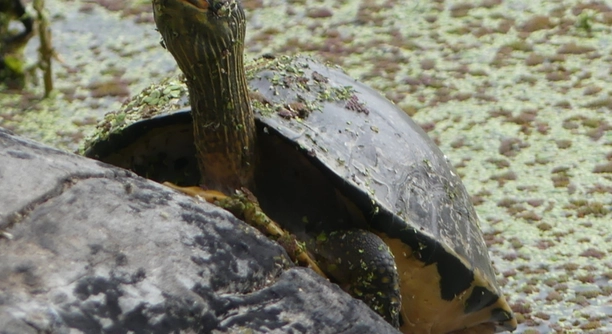
The Indian Roofed Tortoise, a popular pet for many, requires specific care to maintain its health, especially when it comes to digestion. Understanding how to support their digestive system can lead to a healthier and happier tortoise.
To improve digestion in an Indian Roofed Tortoise, focus on providing a varied diet with high fiber content, ensuring proper hydration, and offering regular opportunities for exercise. These practices can prevent common digestive issues and promote overall well-being.
Simple adjustments in diet, hydration, and activity levels can enhance your tortoise’s digestion. Keep reading to learn more about these effective strategies.
The Role of Fiber in Digestion
Fiber is essential for the Indian Roofed Tortoise’s digestion. It aids in moving food through the digestive tract, preventing constipation and promoting healthy bowel movements. Providing a diet with the right amount of fiber can help your tortoise stay healthy. Without enough fiber, they may experience digestive issues, leading to discomfort and potential health problems.
The best sources of fiber for your tortoise are leafy greens, grasses, and hay. These foods mimic their natural diet in the wild, ensuring they get the necessary nutrients. A varied diet that includes these fiber-rich foods will help your tortoise maintain digestive health.
Additionally, avoid feeding your tortoise too many fruits or vegetables with high sugar content. These can disrupt their digestion and lead to obesity. Stick to leafy greens like dandelion greens, collard greens, and turnip greens for the most beneficial effect. This balanced approach supports their digestive system and overall well-being.
Hydration and Its Impact
Water is just as important as food in supporting digestion. Without sufficient hydration, your tortoise may struggle with digestion, which can lead to further complications. Make sure to offer fresh water daily, as dehydration can slow down the digestive process.
Proper hydration also supports kidney function, enhances nutrient absorption, and helps in the breakdown of food. Always ensure water is available, but avoid leaving standing water for too long to prevent contamination. Offering water in a shallow dish will make it easier for your tortoise to drink and stay hydrated.
Exercise for Digestion
Regular movement helps stimulate your tortoise’s digestive system. A lack of physical activity can slow down digestion, leading to discomfort or constipation. Ensure your tortoise has space to roam and explore to stay active.
Allow your tortoise to spend time in an outdoor enclosure, if possible. Outdoor areas provide variety and encourage movement, helping with digestion. When indoors, create a stimulating environment by varying the landscape, adding obstacles or places to hide. This promotes activity, which in turn helps keep the digestive system running smoothly.
While exercise is important, ensure your tortoise is not overexerted. Short, frequent sessions are ideal. Watch for signs of fatigue, such as slow movement or resting in one spot for long periods. Finding the right balance is key to supporting your tortoise’s digestive health.
Avoid Overfeeding
Overfeeding can lead to weight gain and digestive issues in Indian Roofed Tortoises. Stick to a feeding schedule and avoid offering excessive amounts of food at once.
Feed your tortoise small portions throughout the day rather than one large meal. This practice mimics their natural eating habits and prevents overburdening their digestive system. Too much food can cause discomfort and hinder their ability to process nutrients properly. Additionally, overfeeding can lead to obesity, which brings its own set of health concerns.
When feeding your tortoise, focus on high-fiber, low-calorie foods. Offering a mix of dark leafy greens and grasses can help maintain a healthy balance. By not overfeeding, you can avoid unnecessary stress on their digestion and ensure they stay fit and active.
Consistent Feeding Schedule
A consistent feeding schedule is essential for your tortoise’s digestive health. Feeding at the same times each day helps regulate their digestive process and avoids unnecessary stress.
Sticking to a regular routine helps maintain their metabolism and ensures they don’t overeat or undereat. It also makes it easier to monitor any changes in their eating habits.
Proper Lighting
Proper lighting is vital for your tortoise’s digestion. It helps regulate their circadian rhythm and supports the absorption of essential nutrients. A good UVB light source encourages natural behaviors and improves appetite.
Make sure to provide a proper balance of light and dark cycles. Tortoises need 10-12 hours of light followed by 10-12 hours of darkness. This helps mimic their natural environment and keeps their body functioning properly, including their digestive system.
Avoiding Stress
Stress can negatively impact your tortoise’s digestion. It can lead to loss of appetite and other digestive issues. Keep their environment as calm and quiet as possible.
FAQ
How often should I feed my Indian Roofed Tortoise?
Feed your tortoise once or twice a day, depending on their age. Younger tortoises typically require more frequent feeding than adults. Provide a small, balanced meal each time to avoid overfeeding. A consistent feeding schedule helps regulate their digestion and maintain a healthy metabolism.
What foods are best for my tortoise’s digestion?
The best foods for your tortoise’s digestion are high-fiber, low-calorie options. Leafy greens like dandelion greens, collard greens, and turnip greens are excellent choices. Grasses, hay, and edible flowers also provide fiber. Avoid feeding them too much fruit or high-sugar vegetables, as they can cause digestive problems.
Can my tortoise eat fruit?
Fruits can be fed occasionally but should not make up the majority of their diet. Fruits like strawberries, melons, and papaya are fine in small amounts. Too much fruit can lead to digestive upset and obesity due to their high sugar content. Use fruit as a treat, not a staple.
How can I tell if my tortoise is constipated?
Signs of constipation in a tortoise include straining during defecation, a lack of bowel movements, and a decreased appetite. If your tortoise shows these signs, check their diet to ensure it’s high in fiber and that they have access to plenty of water. A visit to the vet may be necessary if the issue persists.
Is calcium important for digestion?
Calcium is essential for your tortoise’s overall health, but it doesn’t directly impact digestion. However, it is crucial for shell health and bone development. Ensure your tortoise gets the proper amount of calcium through foods like leafy greens and, if necessary, supplements. Always balance calcium with phosphorus for best absorption.
What should I do if my tortoise is not eating?
If your tortoise stops eating, it may be due to stress, improper temperature, or health issues. Check their environment, ensuring the temperature and humidity are appropriate. Stressors like loud noises or unfamiliar surroundings can also cause a loss of appetite. If the issue persists, a vet visit is advised.
How do I prevent obesity in my tortoise?
To prevent obesity, avoid overfeeding and provide a balanced diet. Limit high-calorie foods and ensure your tortoise has plenty of opportunities to exercise. A varied diet, with a focus on leafy greens and grasses, combined with regular movement, is key to maintaining a healthy weight and digestive system.
Can stress affect my tortoise’s digestion?
Yes, stress can significantly impact digestion. A stressed tortoise may refuse food, suffer from constipation, or experience other digestive problems. To reduce stress, keep their environment calm, avoid sudden changes, and provide plenty of space for them to explore. Creating a stable, quiet habitat promotes overall health, including digestion.
What type of water should I provide?
Provide fresh, clean water daily. It’s essential for hydration and supporting digestion. If possible, offer a shallow water dish for easy access. Be sure to clean the dish regularly to prevent bacterial growth. Some tortoises also enjoy soaking in water for short periods, which can help with digestion.
How can I improve my tortoise’s appetite?
Improving your tortoise’s appetite can be achieved by adjusting their environment and diet. Ensure proper lighting, a consistent feeding schedule, and a calm habitat. Offering a variety of fresh, nutritious foods can also stimulate their appetite. If your tortoise is still not eating, check for health issues that may require veterinary attention.
How do I create a comfortable environment for my tortoise?
A comfortable environment includes the right temperature, humidity, and lighting. Tortoises need a warm basking spot and a cooler area for temperature regulation. Provide adequate UVB lighting to support digestion and overall health. A spacious enclosure with hiding spots and objects to climb or explore encourages natural behavior and reduces stress.
Can I feed my tortoise plants from my garden?
Many plants from your garden can be fed to your tortoise, but be cautious. Avoid plants that have been treated with pesticides or chemicals. Research each plant before offering it to ensure it’s safe. Common safe garden plants include dandelions, clover, and hibiscus. Avoid toxic plants like lilies and azaleas.
Final Thoughts
Maintaining a healthy digestive system for your Indian Roofed Tortoise is essential for its overall well-being. By providing a balanced diet, proper lighting, regular exercise, and a consistent feeding schedule, you can support its digestion and help prevent common issues like constipation or obesity. It’s important to keep an eye on their environment to ensure it mimics their natural habitat as much as possible. A well-maintained enclosure with the right temperature, humidity, and UVB lighting plays a significant role in the digestive health of your tortoise.
Exercise is another crucial element in promoting digestion. Giving your tortoise space to move around and explore encourages healthy activity, which aids in the proper functioning of the digestive system. Whether it’s time outdoors or within a stimulating indoor enclosure, keeping your tortoise active helps it process food more efficiently. However, it’s essential to monitor their activity levels to avoid overexertion. Keeping their environment stress-free and stable will further improve digestion and overall health.
By focusing on these key aspects—diet, exercise, and environmental conditions—you are taking important steps to ensure your tortoise’s digestive system functions properly. Regular observation and adjustments to its care routine will help identify any issues early, making it easier to address them before they become more serious. With a bit of care and attention, you can support your Indian Roofed Tortoise in living a healthy, active life.

Hello,
If you enjoy the content that we create, please consider saying a "Thank You!" by leaving a tip.
Every little bit helps us continue crafting quality advice that supports the health, happiness, and well-being of pets around the world, for pets of all shapes, sizes, and species.
We really appreciate the kindness and support that you show us!