
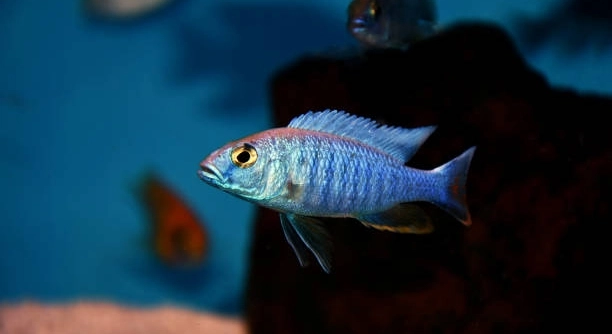
African cichlids are popular aquarium fish known for their vibrant colors and active behavior. Many fish keepers want to ensure these lively creatures live long, healthy lives. Improving their lifespan requires understanding their needs and environment.
To enhance the lifespan of African cichlids, focus on maintaining clean water, providing a balanced diet, ensuring proper tank size, minimizing stress, and monitoring health regularly. These measures create a stable environment that supports their growth and well-being.
Knowing how to care for these fish can make a significant difference in their longevity. The following tips will help you create the best conditions for your African cichlids to thrive.
Maintain Clean Water Quality
Keeping the water clean is essential for African cichlids to stay healthy. Dirty water can cause stress and disease, shortening their lifespan. Regular water changes, typically 20-30% weekly, help remove harmful waste and toxins. Using a good filtration system supports water clarity and reduces ammonia and nitrite levels. Test the water regularly for pH, hardness, and nitrate levels to ensure they stay within the appropriate range for cichlids. Avoid overfeeding, as leftover food can quickly pollute the water. Cleaning the tank decorations and substrate also prevents the buildup of harmful bacteria. Consistency in water quality helps the fish’s immune system and reduces the chance of illness.
Good water quality makes a noticeable difference in the behavior and health of African cichlids. Clear, well-maintained water supports their natural colors and activity.
Maintaining clean water is a continuous effort but vital for your fish’s longevity. Proper filtration, regular water changes, and monitoring water parameters prevent stress and disease. This attention to water quality ensures a stable environment where cichlids can thrive for years.
Provide a Balanced Diet
Feeding African cichlids the right diet is crucial. They need a mix of proteins, vegetables, and minerals to stay healthy. Overfeeding can cause poor water quality and health issues, so it’s important to offer the right amount. Choose high-quality pellets or flakes designed for cichlids. Supplement their diet with fresh or frozen foods like brine shrimp, bloodworms, or spinach. Variety helps prevent nutritional deficiencies. Avoid foods high in fat or fillers, as these can lead to obesity and shorten lifespan. Feeding small portions two to three times a day works best.
A balanced diet strengthens the immune system and supports growth and coloration.
Nutrition plays a significant role in your cichlids’ health. A varied diet tailored to their needs keeps them energetic and reduces the risk of diseases. Ensuring the right feeding schedule prevents overfeeding and maintains good water quality. Including fresh foods adds essential nutrients that processed foods might lack. Attention to diet helps keep your fish vibrant and healthy, ultimately improving their lifespan.
Ensure Proper Tank Size
African cichlids need enough space to swim and establish territories. Crowding increases stress and aggression.
A tank size of at least 30 gallons is recommended for smaller species, while larger cichlids require 55 gallons or more. Providing ample space reduces fights and allows fish to display natural behaviors. Overcrowding leads to poor water quality and heightened stress, which can shorten their lifespan. Including plenty of hiding spots and rock formations helps create territories and reduces conflicts. The right tank size and setup contribute significantly to their well-being and longevity.
Monitoring the fish population and upgrading the tank when needed is important. Keeping fewer fish than the maximum capacity maintains water quality and reduces stress. Proper space management ensures a balanced environment for healthier, longer-living African cichlids.
Minimize Stress in the Aquarium
Stress weakens fish immune systems and makes them vulnerable to illness. Avoid sudden changes in temperature, lighting, or water conditions.
Stable water temperature between 75-82°F suits most African cichlids. Use a heater and thermometer to keep it steady. Avoid loud noises near the tank and reduce excessive tapping on the glass. Stress often results from aggressive tank mates or overcrowding, so select compatible species and maintain proper numbers. Establishing a calm, stable environment lowers stress levels, supporting better health and lifespan.
Reducing stress improves fish behavior and encourages natural activity. It also helps them resist infections and recover faster from minor injuries. A peaceful aquarium promotes overall well-being and supports longevity.
Monitor Fish Health Regularly
Watching your African cichlids closely helps catch illnesses early. Look for changes in behavior, appetite, or appearance.
Early detection of diseases improves treatment success. Quarantine new fish before adding them to the main tank to prevent spreading infections.
Maintain Stable Water Parameters
African cichlids thrive in stable conditions. Sudden changes in pH, hardness, or temperature can cause stress and health problems. Use test kits regularly to monitor water parameters. Make gradual adjustments if needed to avoid shocking the fish. Consistent water conditions support their immune system and help them live longer.
Provide Proper Tank Decorations
Rocks, caves, and plants offer hiding places and territories for cichlids, reducing aggression. Creating these spaces mimics their natural environment and helps them feel secure.
FAQ
How often should I change the water for African cichlids?
Changing 20-30% of the water weekly is ideal for maintaining clean and healthy conditions. Frequent water changes help remove waste and toxins, keeping the fish comfortable and reducing stress. Avoid changing too much at once, as sudden shifts can shock the fish and disrupt the tank’s balance.
What is the best diet for African cichlids?
A balanced diet includes high-quality cichlid pellets or flakes as a base. Supplement with frozen or live foods like brine shrimp, bloodworms, and occasional vegetables such as spinach or peas. Feeding small portions two to three times daily prevents overfeeding and keeps water quality stable.
Can African cichlids live with other fish species?
African cichlids are territorial and aggressive, so tank mates should be chosen carefully. Other robust cichlids or fish that can tolerate similar water conditions might work. Avoid peaceful or slow-moving fish, as they can become targets of aggression.
How do I prevent aggression among African cichlids?
Providing enough space and hiding spots helps reduce fights. Overcrowding increases aggression, so keep the population within the recommended tank size. Arranging rocks and caves creates territories, giving fish places to retreat and lowering stress.
What water parameters should I maintain?
Maintain a pH between 7.8 and 8.6, water hardness between 10-20 dGH, and temperature between 75°F and 82°F. These conditions mimic their natural environment and promote good health. Regular testing and gradual adjustments prevent stress caused by sudden changes.
How can I tell if my cichlid is stressed or sick?
Signs include loss of appetite, hiding more than usual, rapid gill movement, clamped fins, or faded colors. Early identification helps treat issues before they worsen. Quarantining new fish and monitoring daily can reduce risks.
Is it necessary to quarantine new fish before adding them to the tank?
Yes, quarantining new fish for at least two weeks helps prevent diseases from entering the main aquarium. It allows time to observe for any signs of illness and treat if needed without risking other fish.
How important is tank decoration for cichlids?
Tank decorations like rocks, caves, and plants provide necessary hiding places and help reduce aggression. These create natural territories and reduce stress, contributing to healthier, longer-living fish.
What is the ideal tank size for African cichlids?
At least 30 gallons for smaller species and 55 gallons or more for larger ones. Adequate space reduces stress and aggression, supports natural behavior, and improves water quality, all contributing to lifespan extension.
How do I avoid overfeeding my African cichlids?
Feed small portions that fish can consume within a few minutes, two to three times daily. Remove uneaten food promptly to prevent decay, which pollutes the water and causes health problems. Regular feeding routines help maintain stable water quality.
Final thoughts are important when caring for African cichlids. These fish need consistent care to live long and stay healthy. Paying attention to their environment, diet, and overall health helps prevent problems before they start. Simple actions like regular water changes, proper feeding, and providing enough space can make a big difference. It is important to maintain stable water conditions, which means keeping the right temperature, pH, and hardness. Sudden changes can cause stress and make the fish more vulnerable to diseases. By keeping their tank clean and stable, you create a safe home for your cichlids where they can thrive.
Feeding is another key aspect to consider. African cichlids require a balanced diet that meets their nutritional needs. Using high-quality pellets or flakes designed for cichlids is a good base. Adding fresh or frozen foods like brine shrimp or spinach adds variety and important nutrients. Overfeeding should be avoided because leftover food can pollute the water and harm your fish. Feeding small portions two to three times a day helps keep the water clean and your fish healthy. Watching your fish for any signs of illness or unusual behavior allows you to act early, which improves the chances of successful treatment.
Creating a suitable environment inside the tank is also very important. African cichlids are territorial and need enough space to swim and establish their own areas. Overcrowding leads to stress and fights, which can reduce their lifespan. Providing rocks, caves, and hiding spots helps reduce aggression and gives fish a place to feel secure. Selecting compatible tank mates and avoiding sudden disturbances also lowers stress. Regular monitoring and maintenance ensure your fish remain healthy over time. Taking these steps will support your cichlids’ well-being and increase their chances of living a long and happy life.

Hello,
If you enjoy the content that we create, please consider saying a "Thank You!" by leaving a tip.
Every little bit helps us continue crafting quality advice that supports the health, happiness, and well-being of pets around the world, for pets of all shapes, sizes, and species.
We really appreciate the kindness and support that you show us!