
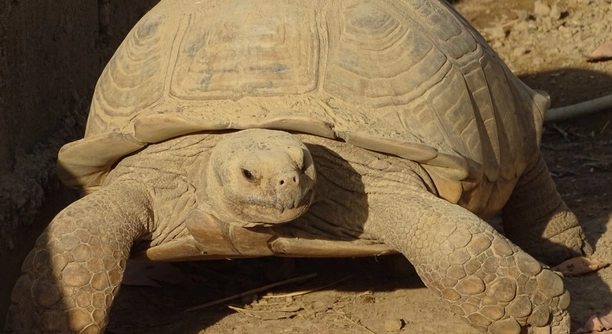
Sulcata tortoises are known for their gentle nature, but sometimes, they may display signs of stress or discomfort. Understanding how to improve their mood is key to fostering a happier, healthier environment for your pet.
Improving a Sulcata tortoise’s mood involves several strategies, including ensuring a comfortable habitat, providing adequate social interaction, maintaining a proper diet, offering enrichment activities, and addressing potential health concerns. Regular environmental adjustments can make a noticeable difference in their overall well-being.
By focusing on these practical steps, you can help enhance your tortoise’s happiness. Keeping them comfortable and engaged leads to a more content and healthy companion.
Create a Comfortable Environment
A key factor in improving your Sulcata tortoise’s mood is ensuring it has a comfortable habitat. These tortoises thrive in warm, dry environments, so make sure their enclosure mimics these conditions. Use a heat lamp to maintain an appropriate temperature, and provide a place where your tortoise can bask in the warmth. A UVB light is also essential for promoting healthy shell growth and preventing deficiencies.
Their habitat should also offer ample space to roam. Sulcata tortoises are known for their burrowing behavior, so a substrate like sand or soil will give them a place to dig and explore. Avoid overcrowding their space with excessive décor, as too many objects may stress them out.
In addition to temperature and space, humidity levels are vital to their health. Ensure there is enough moisture in the air, but avoid making the environment too damp. With the right setup, your tortoise will feel safe and secure, which can positively affect their mood.
Proper Nutrition and Hydration
Maintaining a balanced diet is critical for a tortoise’s well-being. Fresh greens, such as dandelion leaves and collard greens, should make up the majority of their diet. Occasionally offering high-fiber hay can help their digestion. Additionally, avoid feeding them fruits or vegetables too high in water content, as this can upset their stomachs.
Proper hydration is equally important. A shallow water dish is essential, but make sure your tortoise is not forced to swim. Regularly misting their habitat with water can also provide additional moisture. Keeping them hydrated helps prevent dehydration and ensures their mood stays stable.
These dietary adjustments will help create a more balanced and contented tortoise. When they’re well-fed and hydrated, they’ll feel better both physically and mentally.
Add Enrichment Activities
Sulcata tortoises may seem slow-moving, but they benefit from mental stimulation. Adding enrichment activities to their environment helps prevent boredom, which can lead to stress. One way to keep them engaged is by offering safe objects they can explore, such as rocks, logs, or even tunnels for digging.
You can also hide their food in different places within the enclosure, encouraging them to search for it. This activity mimics their natural foraging behavior and keeps their minds sharp.
Additionally, consider allowing your tortoise some time outdoors in a safe, enclosed area where they can explore and interact with the natural environment. Just be sure the outdoor space is secure and free from any potential hazards. Engaging your tortoise in these activities helps enhance their mood and well-being.
Social Interaction
Sulcata tortoises are not naturally social, but they still benefit from regular interaction with their owners. Spending time with them outside their enclosure can reduce feelings of loneliness and improve their mood.
Handling them gently can build trust. Simply observing your tortoise can help you notice signs of stress or discomfort. Try to keep these interactions calm and quiet to avoid overwhelming them. If possible, spend some time sitting near their enclosure, allowing them to get used to your presence. Over time, they may feel more comfortable and confident.
Creating a routine that includes positive, low-stress interactions will help them feel more secure. With consistent social engagement, they’ll become more accustomed to human presence, and their behavior will likely improve.
Monitor Their Health
Keeping an eye on your tortoise’s health is crucial for their well-being. If your tortoise isn’t eating well or appears lethargic, it could indicate underlying health issues that may affect their mood.
Regular check-ups with a veterinarian are essential for preventing illness. Ensure they are free from parasites or infections, which can cause stress. If your tortoise shows signs of illness, such as abnormal behavior or changes in appetite, addressing the issue quickly can help restore their energy levels and happiness.
Routine care, like trimming their nails or monitoring their shell’s condition, should be part of regular health checks. These simple steps can greatly improve their overall mood and comfort.
Provide a Safe Space
A designated safe space within their enclosure is essential for a Sulcata tortoise to feel secure. This area can be a shaded hideout where they can retreat when they need rest or quiet time. It helps reduce stress by giving them control over their environment.
A space that’s quiet and free of disturbances promotes a sense of calm. Avoid placing their enclosure in areas with excessive noise or frequent foot traffic. Giving them a peaceful retreat allows your tortoise to rest properly and feel secure in their surroundings.
Temperature Regulation
Proper temperature regulation is key to a Sulcata tortoise’s comfort and mood. They require a basking area of around 95°F and a cooler spot around 75°F to stay healthy and relaxed.
Monitor their environment with a thermometer to make sure it remains within the ideal range. Too hot or too cold can make them uncomfortable, affecting their behavior. By keeping their habitat within the correct temperature range, you can help ensure they stay active and in a good mood.
Offer Natural Sunlight
Sulcata tortoises thrive with exposure to natural sunlight. If possible, allow them to roam outside during the day to absorb UVB rays. This can positively impact their health and mood.
Natural sunlight also supports the production of vitamin D3, essential for calcium absorption and healthy bone development. Just be cautious of extreme temperatures and always supervise their outdoor time. Regular sunlight exposure will contribute to a more content and active tortoise.
FAQ
What should I do if my Sulcata tortoise isn’t eating?
If your Sulcata tortoise isn’t eating, it could be a sign of stress, illness, or an improper environment. Start by checking the temperature and humidity in their enclosure. Ensure the habitat is within the proper range, as discomfort can cause them to stop eating. Check for signs of illness, such as lethargy or abnormal behavior. If the environment is correct and they still aren’t eating, it’s time to consult a vet to rule out any health issues.
How often should I feed my Sulcata tortoise?
Sulcata tortoises should be fed daily, offering a variety of fresh, leafy greens like dandelion, collard greens, and romaine lettuce. Occasionally, you can offer hay or high-fiber grasses to aid digestion. Avoid feeding them fruits or veggies high in water content too often, as this can upset their stomach. Make sure they always have access to fresh water.
Can I let my Sulcata tortoise roam the yard?
Yes, Sulcata tortoises can roam your yard as long as it’s safe. Ensure the yard is securely fenced, as they are known to dig and wander. Also, check for any potential hazards like pesticides, toxic plants, or areas where they could escape. Supervised outdoor time can be very enriching, allowing them to explore and engage in natural behaviors.
How do I know if my Sulcata tortoise is stressed?
Signs of stress in a Sulcata tortoise include not eating, hiding more often, excessive scratching at the walls of their enclosure, and a more defensive or withdrawn behavior. If your tortoise exhibits any of these signs, check their environment for potential causes like inappropriate temperature, humidity, or lack of space. Stress can also result from improper handling or too much interaction.
Can I keep multiple Sulcata tortoises together?
It’s not recommended to keep multiple Sulcata tortoises in the same enclosure. They can be territorial and may fight over food, space, and basking areas. If you plan to house multiple tortoises, ensure the enclosure is large enough to provide separate spaces for each one. Even with ample space, it’s better to monitor their behavior closely to prevent aggression.
How can I tell if my Sulcata tortoise is healthy?
A healthy Sulcata tortoise is active, alert, and has a strong appetite. Check their shell for any signs of damage, cracking, or discoloration. Healthy tortoises should have clear eyes and nostrils. Regularly check their feces for signs of parasites, and make sure their weight is steady. If you notice any changes in behavior, diet, or appearance, consult a vet.
What is the best substrate for my Sulcata tortoise’s enclosure?
The best substrate for a Sulcata tortoise’s enclosure is a mix of soil, sand, and organic material like coconut coir. This combination allows for proper drainage and mimics their natural burrowing environment. Avoid using substrates like cedar or pine shavings, as the oils can be harmful. Make sure the substrate is deep enough for them to dig and burrow comfortably.
How do I properly handle my Sulcata tortoise?
When handling your Sulcata tortoise, always support its body fully. Place one hand under the shell near the front legs and the other supporting the rear. Never pick them up by the tail or the limbs. Keep handling to a minimum to avoid stressing them, and always handle them gently and calmly.
How do I make sure my Sulcata tortoise gets enough calcium?
Sulcata tortoises require adequate calcium for healthy shell and bone growth. To ensure they get enough calcium, provide a calcium supplement in their food a few times a week. You can also place a calcium block or crushed calcium carbonate in their enclosure. Make sure they have access to natural sunlight or UVB lighting to help their bodies absorb the calcium.
Can I feed my Sulcata tortoise fruit?
While Sulcata tortoises can have fruit occasionally, it should only be offered in moderation. Fruit is high in water and sugar, which can upset their digestive system if fed too often. Stick to a diet primarily made up of high-fiber greens, grasses, and some hay. Fruit should be considered a treat rather than a staple.
Final Thoughts
Caring for a Sulcata tortoise requires attention to their habitat, diet, and overall well-being. Providing a proper environment with the right temperature, humidity, and space for them to roam can help improve their mood and make them feel more at ease. A healthy Sulcata tortoise is an active one, so keeping their environment comfortable and free of stressors is key to their happiness. Offering proper lighting, temperature regulation, and a safe retreat area will ensure your tortoise thrives.
In addition to their physical needs, mental stimulation plays a role in keeping a Sulcata tortoise happy. Allowing them time to roam outdoors can provide them with the necessary space to explore and exhibit natural behaviors. Enriching their environment with items like logs, rocks, or plants will give them opportunities to forage and dig, which can reduce boredom and stress. If your tortoise is not interested in moving around, ensure there are no hidden problems, such as discomfort from improper temperature or signs of illness. Regularly checking on their behavior and monitoring any changes can help identify issues early.
Ultimately, being patient and observant will allow you to make adjustments as needed to keep your Sulcata tortoise comfortable. The more you understand their needs and the signs they show, the easier it becomes to create an environment where they feel safe and relaxed. With proper care and attention, you can foster a happy, healthy Sulcata tortoise that can live a long and fulfilling life.

Hello,
If you enjoy the content that we create, please consider saying a "Thank You!" by leaving a tip.
Every little bit helps us continue crafting quality advice that supports the health, happiness, and well-being of pets around the world, for pets of all shapes, sizes, and species.
We really appreciate the kindness and support that you show us!