
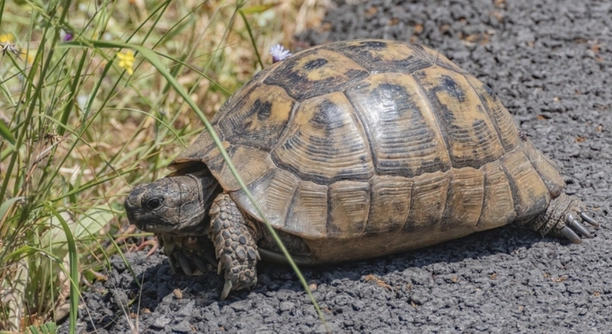
A healthy digestive system is vital for a Russian tortoise’s overall well-being. Digestive issues can lead to discomfort, poor health, and reduced quality of life. It’s important to address any signs of digestive distress early.
Maintaining your Russian tortoise’s digestive health is key to ensuring they thrive. Providing a proper diet, ensuring hydration, and promoting regular activity are essential. Additionally, managing their environment and avoiding stress can help prevent digestive issues in tortoises.
By understanding and applying these steps, you can help your tortoise maintain better digestive health. Keep reading to learn how to improve your pet’s overall well-being.
1. Offer a Balanced Diet
A balanced diet is the foundation of digestive health for Russian tortoises. Their diet should primarily consist of high-fiber, low-protein, and low-fat foods. Leafy greens, grasses, and weeds are great choices. These foods provide essential nutrients like calcium and vitamins, supporting both digestive and overall health. Avoid feeding them fruits and high-protein foods too frequently, as these can upset their digestive system and cause issues. A healthy diet ensures proper gut function and reduces the risk of common digestive problems like impaction or bloating.
Feeding your tortoise a variety of fresh vegetables, grasses, and weeds helps maintain proper digestion. High-fiber foods encourage normal movement in the digestive tract, preventing constipation.
Incorporating the right amount of variety ensures that your tortoise gets all the nutrients needed without overloading them with foods that might be difficult to digest. Always focus on giving fresh and clean produce, and avoid pre-packaged or processed foods, which can harm their digestion in the long term.
2. Keep Hydration in Check
Proper hydration is essential to your tortoise’s digestive health. Dehydration can lead to slow digestion and complications like constipation. Offering fresh water daily ensures they stay hydrated and aids digestion.
Always provide a shallow water dish where your tortoise can drink easily. You should also mist the enclosure occasionally, as this helps maintain humidity levels, which also play a part in their hydration.
By keeping water available and humidity consistent, you create an environment that supports digestion. A hydrated tortoise has more energy and better gut function, reducing the risk of digestive upset. Proper water intake is as important as food when it comes to preventing digestive issues.
3. Ensure Proper Lighting and Temperature
Proper lighting and temperature are crucial for your tortoise’s digestion. Make sure they have access to natural sunlight or a suitable UVB light source. This helps them synthesize vitamin D3, which is essential for calcium absorption. Without adequate UVB exposure, your tortoise may suffer from digestive and skeletal issues.
Maintaining the right temperature is equally important. Tortoises need a warm environment to digest food effectively. A basking spot should be around 95°F (35°C), while the cooler side of the enclosure should stay between 70°F and 75°F (21°C to 24°C). These temperature variations promote healthy digestion and overall metabolism.
If your tortoise’s enclosure is too cold, their digestive system will slow down, leading to poor digestion. Temperature fluctuations can also stress them out, affecting their overall health. A proper heat gradient allows your tortoise to regulate its body temperature and keep digestion working smoothly.
4. Minimize Stress
Stress can disrupt your tortoise’s digestive system. Whether it’s caused by handling, loud noises, or environmental changes, stress reduces their appetite and leads to digestive problems. Reducing stress is essential for keeping your tortoise comfortable and healthy.
Provide a quiet, calm environment where your tortoise feels safe. Limit handling to prevent added stress, especially when they are adjusting to new surroundings. Ensure their habitat has hiding spots, so they can retreat when feeling overwhelmed. Consistent routines and a stable environment contribute to reduced stress and better digestion.
A peaceful setting allows your tortoise to thrive, making digestion and overall well-being more manageable. Stress can lead to a weakened immune system, making them more susceptible to digestive issues. Keeping your tortoise’s environment peaceful is key to supporting their digestive health long term.
5. Provide Regular Exercise
Regular exercise helps stimulate your tortoise’s digestive system. A spacious enclosure that encourages movement is key. Tortoises need space to roam, explore, and dig to stay active, which in turn aids digestion. Make sure your tortoise has access to an area where they can exercise freely.
Exercise boosts blood circulation, which helps with digestion and overall health. Allowing your tortoise to move naturally promotes better food processing and reduces the chances of issues like constipation. Providing varied textures and surfaces in the habitat also encourages more movement and exploration.
6. Avoid Overfeeding
Overfeeding can lead to digestive issues like bloating and impaction. It’s important to provide appropriate portion sizes for your tortoise’s age and size. A healthy tortoise diet doesn’t mean feeding them too much food at once. Stick to a balanced routine.
Excess food can pile up in the digestive tract, causing discomfort and hindering proper digestion. Offering the right amount of food for your tortoise’s weight and growth stage prevents strain on the digestive system. Always remove any uneaten food from their enclosure after a couple of hours to avoid spoilage.
7. Monitor Fecal Output
Keep an eye on your tortoise’s fecal output to spot any potential digestive issues early. Healthy stools should be firm, dark, and slightly moist. If you notice abnormal changes, such as loose stools or no stool at all, it could indicate digestive distress.
Monitoring their fecal output regularly can help identify problems early. Changes in stool consistency can be a sign of dehydration, stress, or dietary imbalances. If you notice any concerning signs, take action immediately to avoid further complications.
FAQ
How do I know if my Russian tortoise has digestive problems?
Signs of digestive problems in your Russian tortoise include lack of appetite, lethargy, and abnormal fecal output. If your tortoise is not eating or their stools appear loose or dry, it’s time to look into their diet and overall health. Additionally, if your tortoise is constantly digging or showing signs of discomfort, digestive issues might be the cause.
What should I feed my Russian tortoise for better digestion?
Focus on high-fiber, low-fat foods like dark leafy greens, grasses, and safe weeds. Avoid too many fruits or high-protein foods, as these can disrupt digestion. Include variety in their diet, offering different greens and weeds to ensure they get all the necessary nutrients for digestion. Adding a small amount of calcium-rich foods, like dandelion greens, can also help with digestive health.
Can stress affect my tortoise’s digestion?
Yes, stress can significantly affect a tortoise’s digestion. Stress leads to reduced appetite, slower digestion, and even gastrointestinal problems. Keep your tortoise’s environment calm, with minimal handling and noise. Regularly check that their enclosure is stable, with proper lighting and temperature to avoid adding unnecessary stress.
What should I do if my Russian tortoise is constipated?
If your tortoise is constipated, increase their water intake and offer a variety of high-fiber foods. You can also soak them in lukewarm water for 20-30 minutes to help with hydration. If the problem persists, consider consulting a vet for further guidance, as severe constipation can lead to more serious issues.
How often should I feed my Russian tortoise?
Feed your tortoise daily, but adjust the portion size based on their age and size. Young tortoises typically need more food than adults. The general guideline is to feed adult tortoises once a day and provide fresh, varied greens. Keep the portions moderate to avoid overfeeding, which can lead to digestive issues.
Can I feed my tortoise commercial tortoise food?
While commercial tortoise food can be convenient, it shouldn’t be the main part of your tortoise’s diet. These foods often lack the variety and nutrients needed for optimal digestion. Instead, focus on fresh, natural greens, weeds, and grasses. Use commercial food only as a supplement when needed.
How can I improve my tortoise’s hydration?
Make sure fresh water is available at all times, and consider soaking your tortoise in lukewarm water 2-3 times a week. This helps with hydration and digestion. Keep the humidity in the enclosure at a reasonable level, especially in dry climates. This supports hydration and helps your tortoise stay healthy.
Is it okay to handle my tortoise frequently?
Frequent handling can cause stress for your tortoise and impact their digestive system. Limit handling to necessary interactions and allow them to rest in their enclosure. Tortoises prefer a quiet, calm environment, and frequent disturbance can lead to digestive issues or overall discomfort.
Can a lack of exercise affect my tortoise’s digestion?
Yes, insufficient exercise can slow down digestion and cause constipation. Tortoises need space to roam and explore. A larger enclosure or access to an outdoor area where they can move freely will promote digestion. Ensure your tortoise has opportunities to dig, climb, and explore for better digestive health.
What temperature is best for my tortoise’s digestion?
A warm environment is essential for your tortoise’s digestion. Provide a basking spot of around 95°F (35°C) and a cooler area between 70°F and 75°F (21°C to 24°C). These temperatures help keep the digestive system working properly. Ensure the temperature gradient is maintained in their enclosure throughout the day.
Should I give my tortoise any supplements for digestion?
In most cases, a balanced diet will provide everything your tortoise needs for proper digestion. However, if your tortoise shows signs of calcium deficiency or other specific issues, you can provide a calcium supplement. Always consult with a vet before adding any supplements to your tortoise’s routine to avoid over-supplementation.
What are the best foods for a constipated tortoise?
For a constipated tortoise, offer hydrating foods like dandelion greens, clover, and other high-fiber vegetables. Soaking their food in water can also help increase hydration. Make sure they have access to clean, fresh water at all times to aid in digestion. If constipation persists, consult a veterinarian.
Can too much calcium affect my tortoise’s digestion?
While calcium is important, excessive amounts can cause problems, including kidney issues and digestive upset. Stick to the recommended amount based on your tortoise’s age and health. Providing a varied diet of natural greens and weeds will help ensure they get a balanced intake of calcium without overdoing it.
How can I tell if my tortoise is getting enough fiber?
Tortoises need a high-fiber diet to keep their digestive systems healthy. If your tortoise is eating a variety of leafy greens, grasses, and weeds, they should be getting enough fiber. Signs of insufficient fiber include constipation, lethargy, and abnormal fecal output. Monitor their eating habits closely.
Can Russian tortoises eat fruits?
Fruits can be given to Russian tortoises occasionally, but they should not be a regular part of their diet. Fruit is high in sugar and moisture, which can cause digestive issues if fed too often. Stick to leafy greens, grasses, and weeds as the primary food sources.
Final Thoughts
Maintaining a healthy digestive system for your Russian tortoise is key to ensuring their overall well-being. A balanced diet made up of high-fiber greens, grasses, and weeds is essential for proper digestion. Avoiding overfeeding and limiting high-sugar foods like fruits can help prevent digestive issues from arising. Regular hydration is also vital, so make sure your tortoise always has access to fresh water and is properly hydrated.
In addition to diet, the environment plays a big role in digestion. Keeping your tortoise’s enclosure at the right temperature, with a basking spot around 95°F (35°C) and a cooler area around 70°F (21°C), will help maintain their digestive health. Stress can also negatively impact digestion, so it’s important to limit handling and ensure the habitat is calm and comfortable. A well-lit, clean, and spacious environment supports digestion and promotes overall health.
If you notice any signs of digestive problems, such as a lack of appetite, constipation, or abnormal feces, it’s important to act quickly. Providing a varied diet, proper hydration, and a stress-free environment can usually resolve these issues. However, if symptoms persist, it’s always best to consult with a vet to ensure your tortoise stays healthy and happy. Consistent care and attention to their needs will help keep your Russian tortoise thriving for years to come.

Hello,
If you enjoy the content that we create, please consider saying a "Thank You!" by leaving a tip.
Every little bit helps us continue crafting quality advice that supports the health, happiness, and well-being of pets around the world, for pets of all shapes, sizes, and species.
We really appreciate the kindness and support that you show us!