
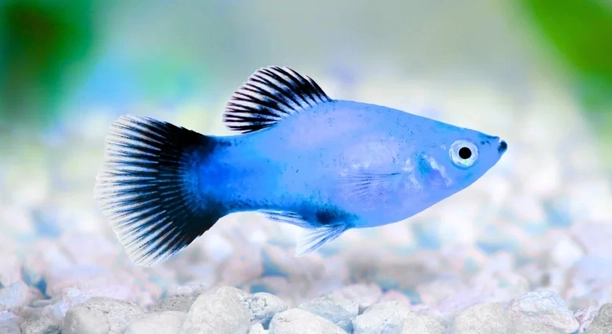
Platies are popular freshwater fish known for their vibrant colors and peaceful nature. Observing their behavior can be rewarding, especially when they begin mating. Understanding how to spot these mating behaviors helps ensure a healthy and thriving aquarium environment.
Platy mating behavior can be identified through specific actions such as males chasing females, displaying vibrant colors, and performing a unique “gonopodial thrust” with their anal fin. These behaviors indicate readiness to mate and successful reproduction cycles.
Recognizing these signs supports better care and breeding practices, making your platy fish experience more enjoyable and successful.
Chasing Behavior
Male platies often chase females around the tank during mating season. This chasing is a clear sign that males are interested in breeding. It can look like a quick, persistent swim after the female, sometimes for several minutes. The chasing helps the male position himself correctly to attempt mating. Females usually swim away but do not show signs of distress, indicating this is a natural part of the mating process. Watching these chases can be exciting and show you that your fish are healthy and ready to reproduce. Chasing also helps strengthen social bonds and establishes a hierarchy within the tank. The behavior usually increases during breeding times and slows down when mating is no longer a priority. Understanding this chasing is key to recognizing when your platies are ready to mate and helps you create a supportive environment for successful breeding.
Chasing is a common, natural behavior in platy mating and signals readiness to reproduce.
Male chasing helps ensure mating success by positioning the male near the female for the gonopodial thrust. This action is essential for fertilization. Chasing also helps males demonstrate their fitness and compete for females. Although it may seem aggressive, it rarely harms females. Observing these behaviors allows aquarists to monitor breeding readiness and overall fish health. If chasing becomes excessive or causes stress, adjusting tank conditions or adding more hiding places can help balance interactions.
Color Changes
Color shifts are another important indicator of mating behavior in platies. Males often display brighter, more vivid colors when courting females. This change is meant to attract the female’s attention and signal reproductive fitness. The intensity of color can vary among individual fish and tank environments. Color changes may appear as deeper reds, oranges, or blues, depending on the platy variety. Females tend to show less dramatic color shifts but may still become slightly more colorful during mating readiness. Monitoring these changes helps determine when breeding activity is likely to increase.
Bright coloration during mating season serves as a visual signal to attract mates and indicate reproductive health.
Increased color vibrancy is linked to hormone levels rising during breeding periods. This makes males more appealing and signals their strength to females and rival males. Color changes also help reduce conflicts by establishing clear dominance or readiness to mate. Maintaining proper nutrition and water quality enhances these natural color shifts. Tank lighting and decoration can influence how visible these colors appear, affecting mate selection. Being attentive to color changes in platies offers valuable insight into their breeding status and helps create the best conditions for reproduction. Recognizing this behavior supports successful fishkeeping and improves breeding outcomes.
Gonopodial Thrust
The gonopodial thrust is a unique mating action where the male uses his modified anal fin to transfer sperm to the female. This is the key step in platy reproduction.
During mating, the male approaches the female and quickly inserts his gonopodium near her genital opening. This movement is usually fast and repeated several times to increase fertilization chances. The gonopodial thrust is precise and requires the male to be close to the female, often following chasing behavior. This action is unique to livebearers like platies and is different from egg-laying fish. The presence of this behavior confirms active breeding.
Although it may look brief, the gonopodial thrust is essential for fertilization. Successful mating depends on the male’s ability to perform this action multiple times during the breeding period. It requires good health and proper water conditions. Observing this behavior shows that your fish are actively reproducing.
Female Response
Females show subtle but important responses during mating. They may slow down, swim in short bursts, or remain still to allow the male to approach.
These responses indicate acceptance and readiness for mating. Females might also display slight color changes and tolerate the male’s presence more than usual. If females consistently avoid males or show signs of stress, breeding might be unsuccessful. Female behavior helps balance the mating process and ensures that reproduction happens under suitable conditions. Tracking these signals provides insight into the overall health of your fish and the success of breeding efforts.
Tail Wagging
Tail wagging is a common sign during platy mating. Males often wag their tails rapidly to attract females and show interest. This movement is part of their courtship display.
Females may also wag their tails slightly when receptive. Tail wagging helps signal readiness and encourages interaction between mates.
Nipping Behavior
Nipping is when males gently bite the female’s fins or body during courtship. This behavior is meant to get the female’s attention and stimulate mating. Although it may seem rough, nipping is usually harmless and brief.
Males use nipping to increase female responsiveness and initiate closer contact. Observing nipping indicates active mating attempts and can help you understand social dynamics in your tank. If nipping becomes too aggressive, it may stress females and require intervention, such as adding more hiding spaces or separating overly aggressive males.
Resting Together
Platies often rest close to one another during breeding periods. This close proximity signals comfort and readiness to mate. Resting together helps strengthen their bond before mating occurs.
Behavior Changes After Mating
After successful mating, males typically reduce chasing and aggressive behaviors. Females may become less active or seek hiding places to prepare for pregnancy.
How long does platy mating behavior last?
Platy mating behavior can last several days to weeks depending on environmental conditions and the readiness of the fish. Males often chase females and perform courtship displays throughout this time. The gonopodial thrust happens repeatedly during the peak of mating activity. After successful mating, behaviors slow down as females prepare for pregnancy. Tank conditions such as water temperature and quality can also affect how long mating behaviors continue. Maintaining a stable environment helps encourage natural mating cycles and supports healthy reproduction.
Can female platies reject males?
Yes, female platies can reject males by avoiding or swimming away from them during courtship. Females may also show signs of stress if males are too aggressive. This rejection is a natural part of their behavior to ensure mating only happens when the female is ready. Providing plenty of hiding spots and enough space in the tank can reduce stress and improve acceptance rates. Monitoring female behavior helps you understand if the mating environment is suitable or if adjustments are needed.
How can I tell if mating was successful?
Successful mating is often followed by changes in female behavior, such as reduced activity and seeking shelter. You may also notice a slight swelling in the female’s belly as the fry develop. It usually takes 4 to 6 weeks for females to give birth after mating. Observing a decrease in male chasing and courtship behavior can also indicate that mating has occurred. The appearance of live fry is the most obvious sign that breeding was successful.
Do all male platies show the same mating behaviors?
While all male platies display core mating behaviors like chasing and gonopodial thrusts, the intensity and frequency can vary between individuals. Factors such as age, health, and tank conditions influence how actively a male courts females. Some males are more aggressive, while others show more subtle signs. Recognizing these differences helps with managing breeding groups and ensuring a balanced social environment.
Is it necessary to separate pregnant females from males?
Separating pregnant females is often recommended to protect both the mother and fry. Males may continue chasing, causing stress to the female and risking harm to newborns. A separate nursery tank provides a safe space for fry to grow without being eaten or harassed. However, some aquarists successfully breed platies in community tanks with plenty of hiding places. Monitoring behavior closely will help decide if separation is necessary.
How does water temperature affect mating behavior?
Water temperature plays a crucial role in triggering and sustaining platy mating behaviors. Ideal temperatures between 72°F and 78°F encourage activity and breeding readiness. Temperatures below or above this range may slow down courtship or prevent mating altogether. Stable temperature control promotes healthy hormone levels needed for reproduction. Sudden changes in temperature can cause stress and disrupt mating patterns.
Can diet influence platy mating behavior?
A nutritious diet is essential for healthy mating behavior in platies. Feeding high-quality flakes, pellets, and occasional live or frozen foods helps maintain vitality and enhances color displays. Well-nourished males show more vibrant courtship behaviors and have better fertility. Females also benefit from good nutrition for successful pregnancy and fry development. Poor diet can lead to weak or absent mating signals and lower breeding success.
What should I do if males are too aggressive?
If males become too aggressive, causing stress or injury, adjusting tank conditions is necessary. Adding more plants and hiding places reduces confrontation and allows females to escape. Increasing tank size or separating some males can also balance social interactions. Maintaining a proper male-to-female ratio, ideally two or three females per male, helps prevent excessive aggression. Observing fish regularly ensures early intervention before problems worsen.
How often can platies mate?
Platies are livebearers and can mate multiple times in a breeding season. Females can store sperm and produce several batches of fry from one mating. This means females may appear pregnant or give birth frequently if conditions are ideal. Continuous monitoring of tank population and health is important to avoid overcrowding and stress.
Are there signs that platy fry are healthy after birth?
Healthy fry are active, have clear eyes, and display good swimming ability shortly after birth. They should begin feeding on small foods like baby brine shrimp or finely crushed flakes. Fry that grow steadily without deformities or lethargy indicate successful breeding and proper tank conditions. Keeping water clean and providing appropriate food supports fry development.
Understanding platy mating behavior is important for anyone who keeps these fish. Observing actions like chasing, color changes, tail wagging, and the gonopodial thrust gives clear signs that your platies are ready to reproduce. These behaviors are natural and help ensure healthy breeding in the tank. Paying attention to them helps aquarists create the right environment, which supports both the adults and the future fry. Knowing what to expect also reduces stress for both the fish and the keeper.
Providing good care during the mating period is essential. Maintaining proper water quality, temperature, and nutrition encourages healthy behavior and successful reproduction. It is important to monitor how the fish interact. If males become too aggressive or females show signs of stress, taking steps to reduce tension can make a difference. Simple changes like adding hiding places or adjusting the number of males and females in the tank often improve the situation. Being patient and observant allows for a smoother breeding process.
Finally, understanding the mating behavior of platies helps improve the overall health and well-being of the fish. It leads to better breeding results and a more enjoyable aquarium experience. By recognizing the different behaviors and knowing how to respond, you support natural cycles and give your platies the best chance to thrive. This knowledge makes caring for platies more rewarding and helps ensure a balanced, lively community in your tank.

Hello,
If you enjoy the content that we create, please consider saying a "Thank You!" by leaving a tip.
Every little bit helps us continue crafting quality advice that supports the health, happiness, and well-being of pets around the world, for pets of all shapes, sizes, and species.
We really appreciate the kindness and support that you show us!