
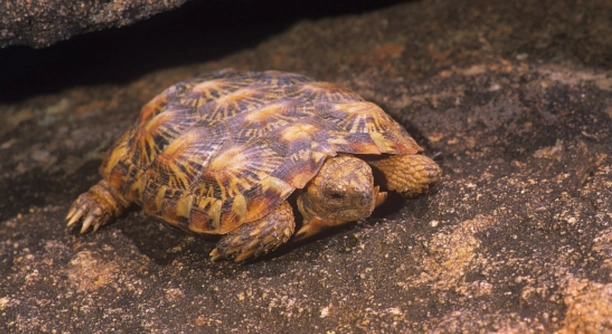
Pancake tortoises are unique and fascinating reptiles, but like all pets, they require special care. Keeping track of their environment is essential, especially when it comes to maintaining a comfortable temperature for them.
If your pancake tortoise is overheating, the signs can be subtle but noticeable. Look for behaviors such as lethargy, changes in appetite, or a lack of interest in moving around. This could indicate that your tortoise is struggling with heat stress.
Knowing how to spot overheating early can help you provide the necessary adjustments to keep your tortoise safe and comfortable. Adjustments like improving their habitat and monitoring their behavior will ensure their well-being.
Watch for Changes in Behavior
Your pancake tortoise’s behavior can offer clear signs that it’s too hot for them. If they start to act lethargic or avoid moving around, this could be an early warning. You might also notice a decrease in their appetite or an unwillingness to bask in their usual spots. These changes are often linked to overheating, as their bodies struggle to cope with excessive warmth.
Overheating makes it hard for the tortoise to regulate its temperature. As a result, their usual active behavior slows down. If they seem disinterested in food, it’s a sign that something is off.
It’s important to observe your tortoise over time to notice any shifts in these habits. For instance, if they refuse to eat their normal amount or if they spend more time in dark, cool areas than usual, it could be because they’re trying to escape the heat. Keeping track of these behaviors can give you an early signal, allowing you to make the needed adjustments before the situation becomes serious. Always ensure that their environment is appropriate for the species to prevent heat-related stress.
Temperature Regulation
Temperature is key for pancake tortoises to thrive. Too much heat can affect their health quickly.
Tortoises are cold-blooded, so they rely on external temperatures to regulate their body heat. If the temperature is too high, it can cause stress and even lead to overheating. Make sure you monitor the habitat’s temperature and avoid exposing your tortoise to direct heat sources for too long.
Monitor Their Breathing
You can tell a lot about your tortoise’s condition by watching how they breathe. If your pancake tortoise is breathing rapidly or seems to be struggling to catch their breath, it might be due to overheating.
When a tortoise is too warm, they might begin to breathe heavily. This is their body’s way of trying to cool down. Rapid breathing could indicate that the temperature is too high, especially if it’s coupled with other signs like lethargy or loss of appetite. If you notice this, it’s time to adjust the heat in their environment.
Breathing problems may escalate if left unaddressed. A prolonged state of rapid breathing or gasping for air can cause stress and potentially damage their respiratory system. To avoid this, make sure the temperature in their enclosure remains stable and appropriate for their species. You can also create cooler areas in their habitat to allow them to self-regulate their body temperature.
Check for Skin Changes
Skin changes can also signal overheating. If the skin becomes pale, dry, or wrinkled, it’s a sign that your tortoise may be overheated and dehydrated.
Excessive heat causes the body to lose moisture, affecting the skin’s appearance. Dehydration can lead to changes like dry skin or sunken eyes. These signs can worsen quickly, so it’s important to check the tortoise frequently. Keep a proper balance of humidity and temperature in their habitat to ensure their skin remains healthy.
If the skin appears flaky or rough, it could mean they are struggling to stay hydrated. This condition can be corrected by adjusting their environment and offering more water or appropriate misting in their habitat. Make sure to watch for any other signs of dehydration, as they can lead to more severe issues.
Watch for Decreased Movement
When your tortoise is too hot, it may become less active. If you notice a significant drop in movement, it’s worth checking the temperature.
Overheating causes tortoises to retreat into their shells more often, and they may remain there for longer periods than usual. If they aren’t moving around as much, it’s a sign they might be avoiding the heat. Ensure that there are cool areas for them to escape to within their environment.
Adjust Their Habitat
Adjusting your tortoise’s habitat can help maintain the proper temperature. This is especially important if you notice signs of overheating.
Check the temperature and humidity levels regularly. Use a thermometer and hygrometer to keep track, making sure both are within the ideal range. It may be helpful to move them to a cooler spot during extreme heat. Adding shaded areas can provide relief for your tortoise.
FAQ
What is the ideal temperature for a pancake tortoise?
The ideal temperature for a pancake tortoise is between 75°F and 85°F during the day. At night, it should drop to around 65°F to 70°F. Providing a gradient of temperatures in their enclosure, with a warm basking area and cooler spots, allows your tortoise to regulate its body temperature more naturally.
Can pancake tortoises handle high temperatures?
Pancake tortoises are sensitive to heat and cannot tolerate high temperatures for long periods. Temperatures above 90°F can lead to overheating and stress, affecting their health. It’s important to monitor their environment closely and adjust the temperature accordingly to ensure they stay comfortable.
How can I tell if my pancake tortoise is dehydrated?
Signs of dehydration in a pancake tortoise include dry or flaky skin, sunken eyes, and lethargy. If your tortoise is not drinking water or eating as usual, it may be dehydrated. Increasing humidity in their habitat and providing fresh water regularly can help prevent dehydration.
Should I mist my pancake tortoise’s enclosure to prevent overheating?
Misting the enclosure can help increase humidity, but it should be done carefully. Over-misting can lead to too much moisture, which could cause mold or respiratory problems. Light misting every few days can help maintain proper humidity, but be sure to monitor the temperature and humidity levels regularly to avoid excess moisture.
How often should I check the temperature in my tortoise’s enclosure?
It’s best to check the temperature daily to ensure that it remains consistent. Use a reliable thermometer to monitor both the basking area and cooler parts of the habitat. Keeping a consistent temperature range helps your tortoise feel secure and avoids sudden temperature fluctuations that may cause stress.
What should I do if my tortoise is showing signs of overheating?
If your tortoise is overheating, the first thing to do is move them to a cooler, shaded area immediately. Make sure they have access to fresh water and monitor them closely. Adjust their habitat’s temperature and humidity to the proper levels and watch for improvement in their behavior. If signs persist, consult a veterinarian.
Can I use a heat lamp for my pancake tortoise?
Yes, a heat lamp can be used, but it should be set up carefully. Make sure the heat lamp provides warmth without creating excessive heat. Position it so that the tortoise can move in and out of the heat zone. Always monitor the temperature in the habitat to avoid overheating.
Is it safe for a pancake tortoise to be outside during the summer?
Pancake tortoises can be outside in warmer weather, but it’s essential to monitor them closely. Ensure there is always shade and access to fresh water. Avoid letting them be exposed to direct sunlight for extended periods, as they can overheat quickly. If temperatures rise too much, bring them inside.
What are the risks of a pancake tortoise being too hot?
When a pancake tortoise is too hot, it can experience heat stress, dehydration, and even heat stroke. Prolonged exposure to high temperatures can lead to severe health issues, including organ failure. Keeping their environment regulated is crucial to prevent these risks and ensure a long, healthy life.
Can a pancake tortoise recover from overheating?
Yes, a pancake tortoise can recover from overheating if the situation is addressed quickly. Move them to a cooler area, provide water, and monitor their behavior. However, if overheating continues or if the tortoise shows signs of severe distress, it’s best to seek immediate veterinary attention to prevent further complications.
How do I prevent my tortoise from getting too hot in the first place?
To prevent overheating, ensure that your tortoise’s enclosure has proper ventilation and a variety of temperature zones. Use a thermostat to control the heat lamp or any other heat sources. Avoid direct sunlight for long periods and provide shaded areas and fresh water consistently.
Final Thoughts
Overheating can be a serious issue for pancake tortoises, and it’s important to stay aware of the signs. These animals rely on their environment to regulate their body temperature, so any temperature changes that are too extreme can quickly cause health problems. By watching for changes in behavior, skin, and breathing, you can catch signs of overheating early and adjust their habitat accordingly. Keeping a steady temperature range within their enclosure is essential to their well-being.
Regularly monitoring your tortoise’s behavior and physical condition will help you make adjustments before overheating becomes a major issue. Ensuring they have access to cool, shaded areas in their habitat, alongside areas for basking, gives them the ability to control their temperature. Using tools like thermometers and hygrometers can help track the temperature and humidity levels, allowing you to maintain an ideal environment. With these steps, you can keep your pancake tortoise comfortable and healthy.
Being proactive about temperature regulation and hydration can prevent overheating and the serious health risks it brings. Pancake tortoises thrive in a balanced environment where they can freely adjust to different temperatures. A little extra care can go a long way in providing your tortoise with a happy, healthy life.

Hello,
If you enjoy the content that we create, please consider saying a "Thank You!" by leaving a tip.
Every little bit helps us continue crafting quality advice that supports the health, happiness, and well-being of pets around the world, for pets of all shapes, sizes, and species.
We really appreciate the kindness and support that you show us!