
Are your guppies acting a little different lately, and you’re not quite sure if everything is okay in their tank?
Healthy guppy behavior is typically marked by active swimming, regular eating habits, vibrant coloration, and consistent interaction with their environment and other fish. Recognizing these signs early can help prevent potential health issues.
These small indicators can make a big difference in how your guppies thrive and how you care for them going forward.
1. Active and Consistent Swimming
Healthy guppies are usually active swimmers. They glide through the water with ease and tend to explore their environment. You’ll often see them moving around the tank, especially when the lights are on. They enjoy swimming in groups and tend to follow each other in patterns. When guppies are healthy, their swimming appears smooth and purposeful, not rushed or frantic. If a guppy is constantly hiding or staying in one corner, it might be a sign that something isn’t right. Swimming behavior can tell you a lot, so pay attention to any changes. Active guppies usually respond to your presence, especially during feeding times.
Guppies that swim with confidence are generally in good health. Watch for fish that seem to hover, sink, or rise awkwardly.
Changes in movement can be early signs of stress, illness, or poor water conditions. Noticing this early helps you act quickly and avoid serious health problems.
2. Bright and Stable Coloration
Healthy guppies have rich, vibrant colors. A dull or faded appearance can often mean your fish is stressed or unwell.
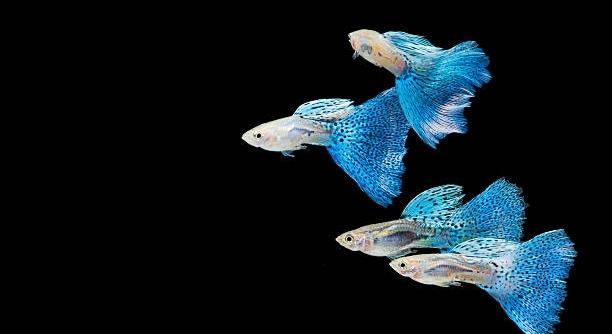
Bright coloration is a strong sign of health in guppies. Their natural colors—whether bright reds, blues, or yellows—should appear clear and vivid. When colors fade, it may be due to water issues, lack of proper nutrition, or bullying from other fish. A stressed guppy will often look pale or discolored. Male guppies, in particular, use color to communicate and attract mates. If their usual brightness is missing, it’s worth checking on their diet and environment. Lighting also affects how colors show, but even in lower light, a healthy guppy will still look clean and well-defined. Long-term color loss should never be ignored. Improving water quality, reducing tank stress, or adjusting the diet can help bring color back. Keeping your tank in balance supports both the appearance and overall health of your guppies.
3. Regular Eating Habits
Healthy guppies eat with interest and consistency. They should come to the surface quickly during feeding and actively search for food. A sudden lack of appetite may be a sign of stress or illness.
Guppies have small stomachs, so they need to be fed in small amounts, usually twice a day. Healthy guppies react quickly when food is introduced and will eat within a couple of minutes. Uneaten food sinking to the bottom is a sign you’re feeding too much or that something is wrong with your fish. If a guppy avoids food or spits it out, check the water quality and temperature first, as both can affect appetite. A guppy that continues to skip meals may be sick or bullied. When feeding, observe your guppies to make sure everyone gets their share, especially if you have multiple fish in the tank.
If a guppy stops eating for more than a day, monitor them closely. Loss of appetite might also come with changes in color, weight, or behavior. Sometimes new guppies skip meals when adjusting to a new tank, which is normal for a short time. But long-term refusal can be linked to parasites, internal issues, or stress. Feeding high-quality flakes or pellets and the occasional live or frozen treat helps maintain interest. Keep an eye on feeding behavior and act early if something feels off.
4. Social Behavior and Interaction
Guppies are social and prefer to live in groups. When healthy, they interact peacefully and swim in small schools.
In a well-maintained tank, guppies are active and curious about their surroundings and each other. Healthy guppies will chase or follow others lightly, especially males trying to get the attention of females. This is normal as long as it’s not too aggressive. If a guppy isolates itself, hides constantly, or is getting chased too much, it could be stressed or ill. Keeping the right male-to-female ratio helps reduce tension. Usually, one male to every two or three females works best. A peaceful tank encourages social interaction and reduces stress, which is key to keeping guppies healthy. Watch for any sudden changes in behavior—these are often the first signs something isn’t right. Providing plants and decorations gives them hiding spots and helps keep social dynamics calm.
5. Clear Eyes and Smooth Scales
A healthy guppy’s eyes are clear, not cloudy or swollen. Cloudiness can mean poor water quality or infection.
Their scales should lie flat and look smooth. Raised or missing scales could be a sign of illness, injury, or parasites.
6. Responsive to Surroundings
Healthy guppies respond quickly to movement near the tank. If you walk by or move your hand close, they usually react. Slow or no response may mean they’re unwell or stressed. Guppies are alert fish and should show awareness of what’s happening around them. A sudden change in this behavior should not be ignored.
7. Regular Breathing Patterns
Guppies breathe at a steady rate. Gills should move rhythmically but not rapidly. Fast or heavy breathing often points to low oxygen, poor water quality, or stress.
FAQ
Why is my guppy staying at the top of the tank?
Guppies may stay at the top of the tank if they’re not getting enough oxygen. Warm water holds less oxygen, and poor water circulation makes it worse. If your guppy is gasping at the surface or hovering near the top, check your filter and air pump. It could also be reacting to poor water quality. Ammonia spikes and nitrite levels can cause discomfort, and the surface may offer more breathable water. Test the water immediately and perform a partial water change if needed. Ensuring your tank has proper aeration and clean, well-filtered water usually solves this issue.
Why is my guppy hiding all the time?
Guppies hide when they feel stressed or unsafe. A new environment, aggressive tank mates, or sudden changes in water temperature can cause this behavior. Females may also hide if they’re being chased too much by males. It’s important to provide hiding spots using plants or decorations, which help them feel more secure. If your guppy continues to hide for days, observe for signs of illness like clamped fins, weight loss, or changes in breathing. Adjusting lighting and making the tank less stressful can also help bring shy guppies out of hiding over time.
Why do guppies sometimes twitch or rub against objects?
This behavior is called flashing, and it’s often a sign of skin irritation. It can be caused by parasites like ich, poor water quality, or sudden shifts in pH or temperature. Occasional twitching isn’t always a reason to worry, but frequent rubbing or twitching means something is bothering them. Check for other symptoms like white spots, clamped fins, or labored breathing. It’s a good idea to test your water and monitor closely. If needed, isolate the affected guppy and treat with medication after confirming the cause. Quick action can prevent the spread of disease in the tank.
What does clamped fins mean in guppies?
Clamped fins refer to when a guppy keeps its fins close to its body instead of spreading them out. It’s often a response to stress, illness, or poor water conditions. Healthy guppies swim with their fins open and flowing. Clamped fins might come with other symptoms like color loss, sluggish movement, or lack of appetite. Common causes include ammonia in the water, internal parasites, or sudden temperature drops. A clean tank and stable conditions help prevent this issue. Quarantining the fish and using medication may be necessary if signs of infection or parasites are present.
Why is my guppy not eating but still swimming around?
If your guppy is active but not eating, it may be experiencing mild stress or adjusting to a new food. Sometimes, fish refuse unfamiliar food or may need time to adapt to a new environment. If the behavior lasts more than a day or two, watch for signs of illness. Internal parasites or digestive issues can cause loss of appetite. Also, double-check that the food is the right size and type for guppies. Offering a variety of high-quality flakes, pellets, or frozen food can help spark interest. If the problem continues, isolation and treatment may be needed.
Is it normal for guppies to sleep at the bottom of the tank?
Yes, guppies do rest, and they usually sleep near the bottom or on a plant leaf when the lights are off. They might look very still, but this is normal. However, if your guppy is lying at the bottom during the day, that’s not typical. Inactive behavior in daylight can be linked to illness, stress, or poor water conditions. Check for heavy breathing or discoloration, which could indicate something more serious. As long as they are active during the day and only rest at night, this behavior is nothing to worry about.
Why is my male guppy chasing the females constantly?
Male guppies are known for chasing females, especially during mating. Some chasing is normal, but too much can stress the females out. If you only have one or two females with multiple males, the females won’t get enough rest. This can lead to illness or hiding. The best way to handle this is by keeping more females than males—ideally two to three females for each male. You can also add plants or decorations that give the females space to escape and rest. A well-balanced tank setup can reduce the pressure and make interactions less stressful.
Final Thoughts
Taking care of guppies means paying attention to how they look, act, and live in their tank. These small fish are full of personality, and when they are healthy, they show it through bright colors, steady swimming, and social behavior. Watching them daily helps you catch small changes early, before they turn into bigger problems. Good water quality, proper feeding, and a calm tank environment are some of the most important parts of guppy care. When these basic needs are met, your guppies are more likely to stay active, eat regularly, and interact naturally with other fish.
Even the smallest signs can tell you something. A guppy hiding too much, breathing heavily, or skipping meals might be showing the first signs of stress or illness. These changes are often caused by simple things like poor water conditions or bullying from other fish. Regular maintenance, including water changes and checking the filter, can make a big difference. Clean water helps support their immune system and keeps their colors bright. Providing plants and hiding spots can also help them feel safe and reduce stress, especially in tanks with both males and females.
Guppies are not hard to care for, but they do need attention and consistency. Watching their behavior closely will help you understand what’s normal and what’s not. No matter how experienced you are with fishkeeping, it’s always a good idea to observe your guppies each day and stay on top of any small issues before they grow. Over time, you’ll get used to their patterns and personality. When your guppies are healthy, it shows—they move with ease, eat with interest, and display their natural beauty in every part of the tank. Keeping them healthy means more than just feeding them—it means understanding them.

Hello,
If you enjoy the content that we create, please consider saying a "Thank You!" by leaving a tip.
Every little bit helps us continue crafting quality advice that supports the health, happiness, and well-being of pets around the world, for pets of all shapes, sizes, and species.
We really appreciate the kindness and support that you show us!