
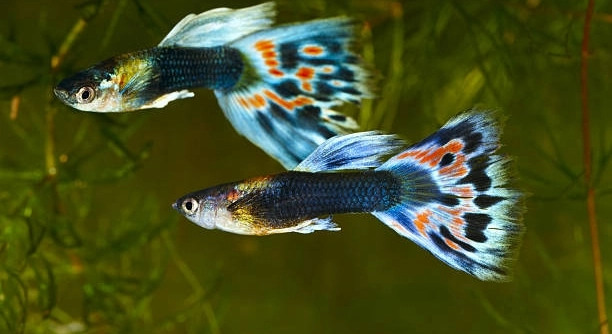
Identifying a male guppy can be an interesting challenge, especially if you’re new to keeping fish. Knowing how to differentiate between males and females can help you care for them better. This guide will help you with that.
The most reliable ways to identify a male guppy include looking for smaller size, brighter coloration, and a modified anal fin known as the gonopodium, which is used for mating. Males are also generally more active and display more noticeable fin patterns.
With these simple traits, you’ll be able to distinguish male guppies easily. This knowledge will help you understand their behavior and ensure proper care for both males and females in your tank.
Size Differences Between Male and Female Guppies
When trying to identify a male guppy, one of the easiest ways is to consider their size. Male guppies are typically much smaller than females, which is one of the primary distinctions. Adult males generally measure around 1.5 to 2 inches in length, while females can grow up to 2.5 inches or more. This size difference is important to note, especially when keeping multiple guppies together in a tank. Understanding the size variations helps to prevent any confusion when observing their behavior or interactions with others in the tank.
Male guppies’ smaller size is not only beneficial for mating but also aids in their overall agility and activity levels, allowing them to swim faster and be more agile than their larger counterparts.
This difference in size helps ensure males can engage in their natural behaviors, such as chasing females and displaying their bright colors to attract mates. While size is a key indicator, other traits, like coloration and fin structure, should be considered for a more complete identification.
Coloration of Male Guppies
Male guppies are known for their vibrant and eye-catching colors. Unlike females, males exhibit brighter hues, including shades of blue, red, yellow, and even green. These vibrant colors are not only visually striking but also serve a purpose. Males use their coloration to attract females during mating displays. The bright colors are a signal of health and genetic quality, which is why males with more intense colors often have a better chance of attracting mates.
Male guppies are also known to have intricate patterns on their fins, further distinguishing them from the females. These patterns, often iridescent, can appear as spots, stripes, or even elaborate tail designs. The color intensity increases with age, making older males appear even more striking. This vibrant coloration plays an essential role in their ability to reproduce and is a clear marker for identifying them.
The Gonopodium: Male Guppies’ Modified Anal Fin
The gonopodium is a key feature in identifying male guppies. It is a modified anal fin used by males to transfer sperm during mating. This fin is long, thin, and pointed, in contrast to the rounded anal fin of females.
The gonopodium is often the most noticeable difference between males and females. While females have a triangular-shaped anal fin, males’ gonopodia are slender and straight, enabling them to perform their mating behavior. You’ll spot this unique fin during interactions, as males will often chase females to attempt mating.
This fin plays a crucial role in their reproduction process. It’s an essential characteristic for breeding purposes, making it the easiest and most reliable way to distinguish a male guppy from a female. Even though males and females share similar body shapes, this fin makes identifying them much clearer.
Behavior and Activity Levels
Male guppies are typically more active than females. They tend to swim around frequently, darting in and out of plants and decorations. This high activity level is often due to their mating behavior and the need to attract females.
Males often display courtship behaviors, such as chasing and showing off their bright colors. They are more likely to be seen near the surface of the tank or in open areas, constantly moving in search of potential mates. This activity can be more pronounced when males are housed with multiple females.
In contrast, female guppies are generally more passive. They spend more time resting, hiding, or swimming leisurely, usually in the tank’s mid to lower levels. Their behavior is less focused on attracting mates, as they are often approached by males who seek to reproduce.
Tail Shape Differences
Male and female guppies also differ in tail shape. Male guppies typically have longer, more elegant tails that are often more pointed or have specific patterns. These tails are more noticeable and add to the overall appearance of males.
Female guppies tend to have shorter, rounder tails that are less ornate. Their tail shape is designed for stability and efficiency rather than show. The difference in tail shape is subtle but noticeable when observing them side by side. It adds to the overall ease of identifying a male guppy in a tank.
Size of the Dorsal Fin
Male guppies often have a larger dorsal fin compared to females. This fin is typically more extended and may appear more pronounced, adding to the overall body shape and movement of the male. The dorsal fin is more noticeable during swimming.
Female guppies have smaller dorsal fins that are less noticeable. Their fins are less extended and provide stability for their larger bodies. The difference in dorsal fin size is helpful when distinguishing between males and females, especially when observed in a group of guppies.
Mating Display Behavior
Males engage in specific mating displays to attract females. They will often approach a female and move in a series of quick, rhythmic motions, fluttering their fins to catch her attention. This behavior is typically observed during breeding seasons.
The display is accompanied by the male showing off his bright colors and fin patterns to signal his readiness to mate. He will often chase the female or attempt to swim alongside her. This behavior makes the male stand out in a tank full of guppies, as it’s typically the males who are active in this manner.
FAQ
How can I tell the difference between a male and female guppy?
Male and female guppies differ in size, coloration, fin shape, and behavior. Males are smaller and more colorful, with longer, pointed tails and a modified anal fin known as the gonopodium, which is used for mating. Females are larger, usually duller in color, and have a rounder anal fin. Additionally, males are more active and often engage in mating displays, while females are generally more passive and spend more time resting or swimming slowly.
Do male guppies change color?
Yes, male guppies can change color, especially during mating displays. The intensity of their colors often increases when they are trying to attract a female. They may show off bright blues, reds, yellows, or even greens. This color change is influenced by their environment, health, and genetic factors. Healthy males tend to have more vibrant colors, which are crucial for attracting mates.
Are male guppies more aggressive than females?
Male guppies are generally more active and may appear aggressive, especially when competing for the attention of females. They often chase after females and display their colors in an effort to impress them. However, males are not usually violent toward each other unless there is a lack of space or mates in the tank. Their “aggressiveness” is mainly related to mating behavior rather than territorial disputes.
How can I tell if a male guppy is healthy?
A healthy male guppy typically has bright, vibrant colors, a full, well-formed tail, and smooth fins. Their body should be free from lesions or discolorations. Healthy males are also active swimmers, often showing off their fins to attract females. If the male is lethargic, has faded colors, or shows signs of illness like lesions or unusual swimming patterns, it may indicate health problems.
Do male guppies get along with other males?
Male guppies can live together, but there may be occasional competition or rivalry, especially in smaller tanks. They may chase each other or display their fins to assert dominance. In larger aquariums, males can coexist peacefully as long as there are enough females to reduce direct competition. Providing hiding spots and enough space helps minimize conflicts.
What’s the best tank setup for male guppies?
Male guppies thrive in well-planted tanks with plenty of space to swim. It’s important to maintain a balanced environment with clean water and stable temperature. Male guppies prefer living in groups of at least three to four males, but they also need several females to reduce fighting. A mixture of plants and decorations offers both hiding spots and areas for courtship displays.
How many male guppies can I keep together?
It’s recommended to keep one male guppy for every two to three females to reduce stress and competition. Too many males in one tank can lead to aggressive behavior. The more females available, the less likely males will fight. However, with enough space, several males can coexist peacefully.
Why do male guppies chase females?
Male guppies chase females as part of their courtship behavior. They attempt to attract the females by showing off their vibrant colors and engaging in swimming displays. Males use this behavior to initiate mating and demonstrate their fitness as potential mates. The chase is an instinctive action aimed at ensuring reproduction.
How do I breed male guppies?
Breeding male guppies involves providing the right environment and ensuring there are females available. Male guppies will naturally pursue females once they are mature enough, usually around three to four months old. To breed guppies, keep a ratio of one male to every two or three females in a tank with plants for cover. The male will mate with the female by using his gonopodium, and the female will give birth to live fry after about a month.
Do male guppies take care of the babies?
Male guppies do not take care of the babies. Like most livebearers, guppies are not parental, and the fry are left to fend for themselves once born. Female guppies give birth to live young, but the males play no role in nurturing or protecting the fry. It’s important to provide hiding spots for baby guppies to avoid predation from adults.
How long do male guppies live?
On average, male guppies live for around 2 to 3 years, though their lifespan can vary based on their care and environment. Factors such as water quality, diet, and stress levels can all impact their longevity. Male guppies typically live shorter lives than females due to their more active lifestyles, which can lead to higher rates of wear and tear on their bodies.
Do male guppies need a lot of space?
Male guppies do not require excessive amounts of space, but they do benefit from a tank that allows them to swim freely and engage in natural behaviors. A 10-gallon tank is generally enough for a small group of guppies, but the more space available, the less likely they are to fight and stress each other. Providing enough space also allows males to perform their courtship rituals, which helps reduce aggression.
What do male guppies eat?
Male guppies are omnivores, and their diet should consist of a mix of plant-based foods and protein. You can feed them flake food, freeze-dried or live brine shrimp, and bloodworms. It’s also important to provide a variety of vegetables, such as blanched spinach or zucchini. A varied diet ensures healthy growth, vibrant colors, and overall well-being.
Final Thoughts
Identifying male guppies is essential for anyone looking to understand or care for these colorful fish. By focusing on distinct features such as size, coloration, fin shape, and behavior, it becomes easier to differentiate between males and females. Male guppies are smaller, more vibrant, and often more active. They display courtship behaviors and have unique physical traits, such as the gonopodium and longer, more colorful tails. These characteristics make them stand out in a tank, both visually and behaviorally.
Understanding these differences also helps with proper tank management. When keeping male guppies, it’s important to provide enough females to reduce aggression and competition. Male guppies are naturally more active, and their desire to mate can lead to chasing behavior if there are too many males in a small space. Keeping a balanced ratio of males and females ensures that males can exhibit their natural behaviors without stressing each other out. A tank with sufficient space and hiding spots for both the males and females will create a more peaceful environment.
In conclusion, identifying male guppies is straightforward once you understand the key traits to look for. Observing their size, color, fins, and behavior will guide you in recognizing them. This knowledge is important not only for identification purposes but also for creating a healthy and harmonious environment for your guppies. By recognizing these traits and behaviors, you can ensure that your guppies live in an ideal environment where they can thrive.

Hello,
If you enjoy the content that we create, please consider saying a "Thank You!" by leaving a tip.
Every little bit helps us continue crafting quality advice that supports the health, happiness, and well-being of pets around the world, for pets of all shapes, sizes, and species.
We really appreciate the kindness and support that you show us!