
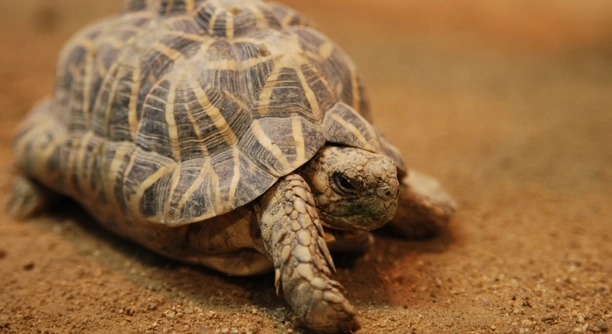
Moving your turtle to a new tank can be stressful for both you and your pet. It’s important to help your turtle adjust smoothly to its new environment for its overall well-being.
To ensure a smooth transition for your turtle, provide a calm, stable environment in the new tank with proper lighting, temperature, and water quality. This helps your turtle feel secure and minimizes stress during the adjustment period.
Learning how to properly set up your turtle’s new home can be key to ensuring a happy, healthy pet. Keep reading to discover simple steps to help your turtle settle in.
Set Up the Tank Properly
The first step to helping your turtle adjust is ensuring the tank is set up correctly. Start with the right tank size, which should be at least 40 gallons for a single adult turtle. Proper filtration is also key, as turtles are messy eaters, and you’ll want clean water for their health. Install a heat source, such as a basking lamp, and make sure the water temperature stays around 75-80°F for optimal comfort. Make sure there’s a dry area for your turtle to climb on to bask. This setup mimics their natural environment, making the transition less stressful.
Proper lighting is essential for your turtle’s health. UVB rays help with calcium absorption, which keeps their bones strong. Without UVB light, turtles can develop health problems over time.
By keeping the water clean, maintaining the right temperature, and providing a basking spot, you’re creating a comfortable environment where your turtle can feel at ease. This makes adjusting to the new tank easier and healthier for them.
Give Your Turtle Time to Settle
Turtles are creatures of habit, so it’s essential to give them time to adjust to the new tank. They might feel disoriented or stressed initially. Avoid handling them frequently during this adjustment period to reduce unnecessary stress.
Being patient with your turtle allows them to acclimate to their new surroundings without feeling overwhelmed. Let them explore at their own pace, especially in the first few days. This helps them get used to the new space without rushing the process. Over time, they will become more comfortable in the new tank.
Keeping a routine also helps your turtle feel more secure. Stick to feeding schedules and provide the same food they’re used to. This helps them adjust to the new setup faster and feel more relaxed in their new home.
Keep the Water Clean
Turtles produce a lot of waste, so a reliable filtration system is essential. Make sure to clean the tank regularly to maintain good water quality. This will help your turtle feel more comfortable and prevent any potential health issues. Changing part of the water weekly can make a big difference.
Water cleanliness directly impacts your turtle’s well-being. If the water is dirty, it can lead to infections or stress, making it harder for your turtle to adjust. Clean water ensures they’re not dealing with unnecessary discomfort. Use a good filter designed for turtle tanks to handle the waste efficiently.
It’s also a good idea to check the water parameters, like pH levels, to ensure they’re within a safe range for your turtle. Keeping the tank clean and water quality high will help your turtle adapt to the new environment and reduce stress.
Maintain Proper Temperature and Lighting
Having the right temperature and lighting is crucial for your turtle’s comfort. Invest in a reliable basking lamp to keep the temperature warm for them to bask. UVB lighting will help them absorb the calcium they need for healthy shell and bone development.
Turtles are ectothermic, meaning they rely on external heat sources to regulate their body temperature. Without the right heating, they may feel sluggish or stressed. A basking area should be around 85°F to 90°F, while the water should be a bit cooler, around 75°F to 80°F. The light should be on for 10-12 hours a day to simulate a natural cycle.
This setup is essential for your turtle’s health, as it helps them digest food properly and maintain their immune system. Providing consistent temperature and lighting helps them feel more at home and settle in quicker.
Provide Hiding Spots
Turtles like having a place to retreat when they feel stressed or want some privacy. Adding rocks, plants, or a turtle hut can help them feel secure. These hiding spots give them control over their environment, which is important during the adjustment period.
Providing hiding places reduces stress. Turtles will feel more comfortable if they can escape to a safe spot when they want to. The more natural the hiding place looks, the better your turtle will feel. Incorporating natural elements like driftwood or plants will make the tank feel more like home.
Offer Familiar Food
Feeding your turtle the same food it’s used to is key. Offering familiar food helps your turtle adjust to the new environment without adding extra stress. Keep the same feeding schedule to provide structure during this transition period.
Food provides comfort and stability. Turtles may refuse to eat in a new environment, but offering their favorite meals will help encourage them to eat. Stick to what they know best, whether it’s pellets, leafy greens, or protein sources. Keep the feeding routine consistent, and your turtle will adjust better.
Monitor for Stress Signs
Stress is common when a turtle moves to a new tank. Watch for signs like loss of appetite, excessive hiding, or swimming in circles. These behaviors could indicate your turtle is struggling to adjust.
It’s important to address stress quickly. Keep an eye on your turtle’s behavior to spot any changes. If your turtle seems lethargic or refuses to eat, check the tank’s temperature, water quality, and lighting to ensure they’re within the right range. Adjusting these conditions can help your turtle feel more comfortable in its new home.
FAQ
How long will it take for my turtle to adjust to a new tank?
The time it takes for a turtle to adjust to a new tank can vary depending on the individual and the setup. Typically, it can take anywhere from a few days to a few weeks. Some turtles may adapt quickly, while others might need more time to feel comfortable. During this time, keep the tank’s environment stable and avoid making sudden changes. Allow your turtle to explore at its own pace, and be patient.
What should I do if my turtle isn’t eating after moving to a new tank?
It’s common for turtles to refuse food when they’re stressed or adjusting to a new environment. If your turtle isn’t eating, first check the water temperature, quality, and lighting to ensure they’re within the ideal range. Make sure the tank is clean and the water isn’t too cold. If all conditions are correct, try offering familiar food that your turtle enjoys. If it continues to refuse food, give it some time, but if it lasts for more than a few days, consult with a vet.
Is it okay to move my turtle to the new tank immediately, or should I wait?
It’s best to prepare the new tank in advance, ensuring it has the right setup for your turtle’s needs. Once the tank is ready, you can move your turtle right in. However, avoid transferring your turtle during stressful times, like right before feeding or when they’re already stressed. If you have multiple turtles, it’s wise to move them one at a time to avoid territorial conflicts.
How do I know if the tank temperature is too hot or too cold for my turtle?
Turtles are sensitive to temperature changes, and both extremes can cause stress. You can use a thermometer to monitor the water temperature, ensuring it stays between 75°F and 80°F. The basking area should be around 85°F to 90°F. If the water feels too hot or too cold to you, it might be uncomfortable for your turtle as well. If the tank is too warm, your turtle may seek cooler areas, and if it’s too cold, they may become sluggish.
Should I add decorations or plants to my turtle’s new tank?
Yes, adding decorations or plants is a great way to create a more natural, comfortable environment for your turtle. Rocks, logs, and plants provide hiding spots, which help reduce stress. They also give your turtle opportunities to climb, hide, and explore. Be sure to avoid sharp objects that could injure your turtle. Live plants can be a nice touch, but make sure they are safe for turtles and easy to maintain.
Can I add more than one turtle to the tank?
If you want to keep more than one turtle, be sure the tank is large enough to accommodate them. Generally, you need at least 10 gallons of water per inch of turtle shell length. Some turtles are more territorial than others, so adding too many may lead to aggression. It’s important to monitor their behavior closely after introducing another turtle, especially if they’re not used to living with others. If aggression occurs, you may need to separate them.
Is it necessary to use a UVB light for my turtle’s new tank?
Yes, UVB light is essential for your turtle’s health. It helps them absorb calcium and promotes healthy shell and bone development. Without UVB light, turtles can develop shell deformities and other health issues over time. The UVB light should be on for 10 to 12 hours a day, simulating natural sunlight. Be sure to replace the bulb every six months, as UVB rays lose effectiveness even if the light still works.
What are the signs that my turtle is stressed?
Stress in turtles can manifest in several ways. Common signs include refusal to eat, excessive hiding, lethargy, swimming in circles, or scratching at the walls of the tank. If your turtle shows any of these behaviors, it’s important to check the tank setup and water conditions. Stress can also be caused by aggressive tank mates or sudden changes in the environment. Reducing stress involves giving your turtle time to adjust, making sure the tank setup is ideal, and addressing any factors that might be causing discomfort.
How often should I clean the tank after moving my turtle?
After moving your turtle into a new tank, the tank should be cleaned regularly to maintain water quality. You should change 25-30% of the water weekly. Clean the tank, filter, and decorations at least once a month. If you notice the water is cloudy or dirty more often, it may indicate an issue with the filtration system. A proper cleaning routine will help keep the tank healthy for your turtle.
Can I add other animals to the tank with my turtle?
It’s generally not a good idea to keep turtles with other animals in the same tank. Turtles can be territorial, and they may see smaller fish or other animals as food. Even if they don’t directly attack other tank mates, the stress of living with a turtle can affect the other animals. If you want to add other creatures, be sure to research whether they’re compatible with turtles before introducing them. Keep in mind that most animals prefer their own space and won’t thrive in a tank with a turtle.
How do I know if my turtle is healthy after the move?
Monitor your turtle’s behavior and appearance to ensure they’re healthy. A healthy turtle should be active, have clear eyes, a firm and smooth shell, and should eat regularly. If your turtle is hiding constantly, swimming erratically, or refusing food, it could indicate an issue. Keep an eye out for any unusual changes in their behavior or appearance, such as a soft shell or swollen eyes. If you notice anything concerning, it’s best to consult with a vet.
Final Thoughts
Helping your turtle adjust to a new tank is an important process that requires patience and attention. The environment you provide can make a big difference in how quickly your turtle feels comfortable in its new home. By setting up the tank with proper lighting, temperature, and a clean environment, you give your turtle the best chance to adapt. Remember that turtles thrive in stable, familiar conditions. Ensuring the tank is properly equipped is the first step in helping them settle in smoothly.
Stress is something turtles naturally experience when moved to a new space. They are creatures of habit, and any change in their environment can take time to get used to. Giving them time to adjust, offering familiar food, and providing hiding spots can go a long way in easing the transition. It’s essential to observe your turtle closely during the first few weeks to ensure they’re not showing signs of stress, such as refusing food or acting lethargic. Patience is key when dealing with these little creatures, and understanding their needs helps you support them through this adjustment period.
Finally, it’s important to maintain the right conditions in the tank consistently. Turtles need a stable environment, and constant changes or poor water quality can lead to stress or health issues. Regular cleaning, monitoring the water’s temperature, and making sure the tank is the right size will help prevent problems down the road. If you notice anything unusual, such as your turtle acting differently, it’s always a good idea to check the tank and make sure everything is in place. Proper care during these first weeks will lay the foundation for a long and healthy life for your turtle in its new home.

Hello,
If you enjoy the content that we create, please consider saying a "Thank You!" by leaving a tip.
Every little bit helps us continue crafting quality advice that supports the health, happiness, and well-being of pets around the world, for pets of all shapes, sizes, and species.
We really appreciate the kindness and support that you show us!