
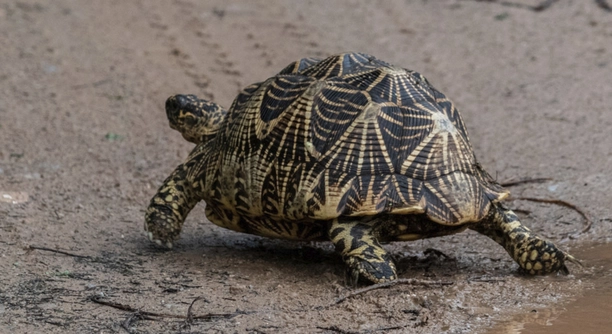
Do you ever find yourself wondering how to make your star tortoise feel safe in its enclosure? These gentle creatures require a secure and comfortable environment to thrive, and providing the right setup can make a significant difference in their well-being.
The best way to help your star tortoise feel safe is by creating a stable, well-structured enclosure with proper hiding spots, consistent temperature levels, and minimal disturbances. Ensuring a quiet and familiar space will reduce stress and promote a sense of security.
From choosing the right substrate to maintaining a stress-free environment, several factors contribute to your tortoise’s comfort. Understanding these elements will help you create a space where your star tortoise can feel safe and relaxed.
Provide a Spacious Enclosure
A star tortoise needs plenty of space to move around comfortably. A small enclosure can make them feel stressed and confined. A larger space allows them to explore, exercise, and find secure hiding spots. When designing their habitat, prioritize both space and structure. The enclosure should have sturdy walls to prevent escape and a secure lid to keep them protected from potential threats. Providing a well-ventilated but enclosed area ensures a balance between fresh air and safety. Proper space management is key to helping your tortoise feel at ease in its surroundings.
A good rule of thumb is to have an enclosure at least four times the length of your tortoise. This ensures they have room to roam without feeling cramped. Outdoor enclosures should be secure from predators, while indoor ones need stable temperatures.
With enough space, your tortoise can explore and settle into a comfortable routine. A spacious area reduces stress and promotes natural behaviors, making them feel safer in their habitat.
Include Plenty of Hiding Spots
Hiding spots help your tortoise feel secure. Without them, they may feel exposed and stressed. Providing multiple shelters in different areas of the enclosure allows them to retreat whenever needed.
Use natural materials like logs, rocks, and dense plants to create hiding places. Store-bought hides also work well, but make sure they are large enough for your tortoise to fit comfortably. Position these shelters in both warm and cooler areas of the enclosure so they have options depending on their comfort level. A mix of shaded and enclosed spaces encourages natural hiding instincts.
Hiding spots not only provide security but also support natural burrowing and resting habits. Without them, your tortoise may become anxious or withdrawn. By creating safe areas, you help them feel in control of their environment, reducing stress and making their enclosure a safe place to relax.
Maintain Proper Temperature and Humidity
Star tortoises need a warm and stable environment to feel safe. Temperature fluctuations can cause stress and health issues. Keep the basking area around 90°F and the cooler side between 75-80°F. Humidity should stay between 50-70% to support healthy shell and respiratory function.
Use a high-quality thermometer and hygrometer to monitor conditions daily. A heat lamp should provide warmth, while a ceramic heat emitter helps maintain nighttime temperatures without disrupting sleep. If humidity is too low, mist the enclosure lightly or add a humid hide. Too much humidity can lead to shell rot, so ventilation is important. Adjusting these factors ensures a stable and safe environment.
Consistent temperature and humidity levels help your tortoise feel comfortable and secure. Rapid changes can lead to stress and illness, making them feel unsafe. By carefully managing their habitat, you create a space where they can relax, explore, and stay healthy.
Reduce Noise and Disturbances
Loud noises and sudden movements can make your tortoise feel unsafe. Keeping their enclosure in a quiet, low-traffic area helps them feel more secure. If placed near a busy space, they may become stressed and hide frequently, which can affect their eating and activity levels.
Avoid placing their habitat near televisions, loud speakers, or frequently used doors. If you have other pets, prevent them from disturbing the tortoise’s enclosure. While tortoises can adapt to routine sounds, sudden loud noises or constant movement can cause stress. Using barriers or covering part of the enclosure can provide extra security when needed.
Creating a peaceful environment encourages natural behaviors and helps them feel safe in their surroundings. A calm space allows them to explore freely, eat without hesitation, and rest without fear. Keeping noise levels low and reducing disturbances will make their enclosure a more comfortable home.
Use a Soft and Natural Substrate
A soft, natural substrate makes the enclosure more comfortable and secure. Coconut coir, cypress mulch, or organic topsoil are good options. Avoid rough or artificial materials that can cause stress or injury. A proper substrate allows for burrowing, which helps them feel safe and relaxed.
Keep the substrate clean and dry to prevent bacterial growth. Spot-clean daily and replace it when needed. A depth of at least two inches provides enough coverage for digging and hiding. Providing a natural and comfortable base supports their instincts and creates a safer, more inviting habitat.
Provide Fresh Food and Water
A healthy diet keeps your tortoise strong and stress-free. Fresh greens, vegetables, and occasional fruits provide essential nutrients. A shallow water dish should always be available, as hydration is important for their overall well-being. A balanced diet helps them feel comfortable and secure in their enclosure.
Handle with Care
Too much handling can make your tortoise feel unsafe. Limit interactions to necessary care and let them adjust at their own pace. When handling is needed, move slowly and support their body properly. Respecting their space allows them to feel more comfortable in their environment.
FAQ
How often should I clean my star tortoise’s enclosure?
Spot-clean the enclosure daily by removing waste and uneaten food. A deep clean should be done every two to four weeks, depending on the enclosure size and substrate type. Replace the substrate, wash the water and food dishes, and disinfect any surfaces to keep the habitat safe.
What type of lighting does a star tortoise need?
A star tortoise needs both UVB and heat lighting to stay healthy. A UVB bulb should be on for 10-12 hours daily to support calcium absorption and prevent metabolic bone disease. A heat lamp should provide a basking area of around 90°F, while the rest of the enclosure stays cooler.
Can I keep more than one star tortoise together?
Star tortoises are not social animals and usually prefer to be alone. Keeping multiple tortoises together can lead to stress, competition for food, and territorial behavior. If housing more than one, ensure they have plenty of space, multiple hiding spots, and separate feeding areas to reduce conflicts.
Why does my star tortoise hide so much?
Hiding is a natural behavior that helps tortoises feel secure. However, excessive hiding could be due to stress, improper temperatures, or too much noise. Check the enclosure conditions and make sure they have enough space and a consistent routine. Reducing disturbances can help them feel safer and more active.
How do I know if my tortoise is stressed?
A stressed tortoise may refuse to eat, hide frequently, or become less active. Other signs include excessive pacing, trying to escape, or a sudden change in behavior. If stress continues, check the enclosure setup, temperature, and diet. Making adjustments can help them feel more comfortable and secure.
What should I do if my tortoise is not eating?
First, check the enclosure conditions, including temperature and humidity, as improper levels can affect appetite. Offer fresh, high-quality greens and vegetables, and try different foods to encourage eating. If the problem persists, consult a reptile veterinarian to rule out illness or other health concerns.
How can I make my tortoise feel more comfortable?
Providing a spacious enclosure, plenty of hiding spots, and a consistent temperature will help your tortoise feel safe. Keep noise levels low, avoid excessive handling, and offer a varied diet. A stable routine and a well-maintained habitat will reduce stress and promote natural behaviors.
Is it okay to let my star tortoise roam outside its enclosure?
Supervised outdoor time can be beneficial if the area is safe and escape-proof. Make sure there are no predators, toxic plants, or extreme temperatures. Always monitor them closely, as they can move faster than expected and may find hiding spots that are hard to reach.
Do star tortoises recognize their owners?
While they do not form bonds like dogs or cats, star tortoises can learn to recognize their owner’s presence and associate them with food. With regular, gentle interaction, they may become more comfortable and show curiosity when approached. However, each tortoise has a different personality and comfort level.
What is the best way to pick up a star tortoise?
Always pick up a star tortoise gently and securely. Support their body with both hands, keeping them level to prevent stress. Avoid sudden movements, flipping them upside down, or handling them too often. Handling should be minimal to keep them comfortable in their environment.
Can I bathe my star tortoise?
Yes, soaking your tortoise in shallow, lukewarm water once or twice a week helps with hydration and shell health. The water should be just deep enough to cover the bottom of their shell. Never leave them unattended, and remove them after 10-15 minutes.
What is the best diet for a star tortoise?
A star tortoise thrives on a high-fiber, plant-based diet. Offer fresh leafy greens like dandelion, collard, and mustard greens. Small amounts of vegetables and occasional fruits can be added. Avoid high-protein foods, as they can cause health issues over time.
Why is my tortoise pacing around its enclosure?
Pacing can be a sign of stress, boredom, or an enclosure that is too small. Make sure they have enough space, hiding spots, and environmental enrichment. If the enclosure is the right size but they are still pacing, check for potential stressors like noise or temperature fluctuations.
What should I do if my tortoise’s shell is getting soft?
A soft shell can be a sign of metabolic bone disease, usually caused by a lack of UVB exposure or calcium deficiency. Ensure they have proper lighting and a calcium-rich diet. If the condition worsens, consult a reptile veterinarian for further evaluation and treatment.
How long do star tortoises live?
With proper care, star tortoises can live 30 to 80 years. A well-maintained habitat, a balanced diet, and regular health checkups will contribute to their longevity. Providing the right care ensures they stay healthy and active for many years.
Final Thoughts
Creating a safe and comfortable enclosure for your star tortoise is essential for their well-being. A well-structured habitat with enough space, proper hiding spots, and stable temperatures helps reduce stress and supports natural behaviors. Small details, like choosing the right substrate and keeping noise levels low, can make a big difference. Regular cleaning and maintenance ensure a healthy environment, while a balanced diet keeps your tortoise strong. By paying attention to these factors, you provide a space where your tortoise can thrive and feel secure every day.
Understanding your tortoise’s needs allows you to make thoughtful adjustments to their enclosure. If they hide too much, seem stressed, or stop eating, checking their habitat conditions can often solve the problem. Simple changes like adjusting the temperature, adding more hiding places, or reducing disturbances can help them feel safer. Each tortoise has a unique personality, so observing their behavior will help you create an environment that suits them best. Providing consistent care and a stable routine encourages trust and comfort, making their enclosure a true home.
Caring for a star tortoise requires patience and attention to detail, but the effort is well worth it. A secure and well-maintained enclosure helps them live a long and healthy life. Whether you are setting up a new habitat or improving an existing one, focusing on their safety and comfort ensures they remain happy. By taking the time to understand what makes them feel secure, you create a space where they can grow and enjoy their surroundings with confidence.

Hello,
If you enjoy the content that we create, please consider saying a "Thank You!" by leaving a tip.
Every little bit helps us continue crafting quality advice that supports the health, happiness, and well-being of pets around the world, for pets of all shapes, sizes, and species.
We really appreciate the kindness and support that you show us!