
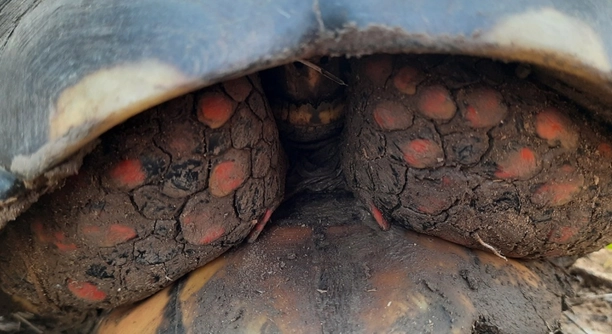
Adjusting to a new home can be challenging for red-footed tortoises. This transition may cause stress and confusion. Understanding how to help them settle in can make the process smoother for both the tortoise and its owner.
The best approach to help your red-footed tortoise adjust involves creating a safe, familiar environment, providing appropriate habitat conditions, offering consistent food, and allowing time for the tortoise to acclimate at its own pace.
A few simple adjustments can make a big difference in easing your red-footed tortoise into its new home and ensuring its comfort.
Create a Comfortable Habitat
Providing your red-footed tortoise with a comfortable and secure habitat is crucial for its adjustment. Start by setting up a suitable enclosure that mimics its natural environment as closely as possible. The enclosure should include areas for basking, hiding, and access to water. Ensure that the temperature and humidity levels are appropriate for your tortoise’s needs.
A comfortable and secure space will help your tortoise feel safe and reduce stress. Avoid placing it in an open or noisy area where it may feel vulnerable. Having a hiding spot within the enclosure can also give your tortoise a sense of privacy and security.
It’s essential to remember that red-footed tortoises are sensitive to their surroundings. The setup should be both functional and stress-free, providing your tortoise with the best environment to adjust. Pay close attention to the lighting, heat, and moisture in the habitat to ensure it feels familiar and secure. This stability will allow the tortoise to slowly adapt to its new home.
Offer Consistent Food
Consistent feeding habits can help your red-footed tortoise adjust faster. Feed your tortoise a varied diet rich in fruits, vegetables, and some protein. Try to stick to a regular feeding schedule so your tortoise knows what to expect.
Your tortoise may feel disoriented after the move, so offering familiar food can help it feel more comfortable in its new home. It’s important to be patient during this time, as your tortoise may take a while to eat. Make sure food is fresh and clean, and remove any uneaten portions to prevent contamination.
As the tortoise becomes more accustomed to its new space, it will begin to eat more regularly. Over time, it will recognize that food is available consistently and feel more secure in its new home.
Maintain a Consistent Routine
A consistent routine can greatly ease your red-footed tortoise’s transition into its new home. Set a regular schedule for feeding, cleaning, and providing attention. This will help the tortoise feel secure and reduce stress as it adjusts.
By maintaining a consistent daily routine, your tortoise will become familiar with its new environment and feel more at ease. It will recognize that certain activities happen at specific times, which provides structure. This helps them feel less disoriented and more comfortable in their new surroundings.
Avoid sudden changes to the routine, as this can cause unnecessary stress. Keeping everything predictable and stable will promote a smoother adjustment process. With time, the tortoise will adapt to the schedule, and this predictability will support its overall well-being.
Provide Space to Roam
Your red-footed tortoise will benefit from space to explore within its enclosure. Give it enough room to move around and stretch its legs. A cramped living space can lead to stress and hinder its adjustment.
Ensure the enclosure is large enough to accommodate the tortoise’s growth. It should allow for natural behaviors, like walking, basking, and digging. Red-footed tortoises are active creatures, and providing ample space will encourage exercise and reduce anxiety. Too small of an enclosure can lead to a lack of stimulation, which can cause the tortoise to feel unsettled.
When setting up the space, try to replicate the natural environment. Include hiding spots, access to water, and areas for basking. This will allow your tortoise to feel comfortable and safe while adjusting. As it gets more accustomed to its new space, the tortoise will be more active and engaged.
Monitor Temperature and Humidity
Temperature and humidity play an essential role in your tortoise’s adjustment. Make sure the enclosure maintains the proper conditions. Temperature should range from 75 to 85°F during the day, with a basking spot reaching up to 95°F.
Humidity should be kept between 70% and 80%. Use a thermometer and hygrometer to monitor these levels regularly. Changes in temperature or humidity can cause discomfort and slow down your tortoise’s adaptation. Adjust as needed to maintain consistent conditions, making it easier for your red-footed tortoise to adjust.
Limit Handling During Adjustment
Limiting handling during the initial adjustment phase is important. Constant handling may cause stress and slow down the settling process.
Allow your red-footed tortoise to explore its new environment on its own. Giving it space will help the tortoise feel more in control of its surroundings. Once the tortoise seems more comfortable, handling can be gradually introduced.
Observe Its Behavior
Watch for signs of stress or discomfort. If your tortoise is hiding too much, not eating, or moving slowly, it could indicate an issue with its environment.
Regular observation will help you catch problems early. For example, if it’s not eating, check its temperature and humidity. Make sure its enclosure is secure and safe. This will help ensure a smoother adjustment.
FAQ
How long does it take for a red-footed tortoise to adjust to a new home?
The adjustment period for a red-footed tortoise can vary, but generally, it takes anywhere from a few days to several weeks. The tortoise needs time to become familiar with its new environment. During this period, it’s important to monitor its behavior closely, especially its eating and activity levels. If you’ve set up the enclosure correctly and provided a consistent routine, your tortoise will likely adjust within a few weeks.
What should I do if my red-footed tortoise isn’t eating after moving?
If your red-footed tortoise isn’t eating after the move, the first thing to check is its habitat conditions. Ensure the temperature, humidity, and lighting are within the correct ranges. Sometimes, the stress of moving can cause a temporary loss of appetite, so give your tortoise time to adjust. You can also try offering familiar foods that it enjoys to encourage eating. If it continues to refuse food, consult with a vet to rule out any health issues.
How often should I clean the tortoise’s enclosure?
Cleaning the enclosure is important for the health of your red-footed tortoise. Remove waste daily and replace soiled bedding. You should also clean the entire enclosure thoroughly once a week. This includes washing the water dish, wiping down surfaces, and replacing any substrate if necessary. Keeping the space clean prevents the buildup of bacteria and maintains a healthy environment for your tortoise.
Can I handle my red-footed tortoise right after it arrives at its new home?
It’s best to avoid handling your red-footed tortoise too much during the initial adjustment period. Constant handling can cause stress, making it harder for the tortoise to settle into its new surroundings. Allow it to explore and get comfortable before you start handling it. Once it seems acclimated, you can gradually begin interacting with it.
What kind of lighting does a red-footed tortoise need?
Red-footed tortoises need both UVB and UVA lighting to stay healthy. UVB light helps them produce vitamin D3, which is essential for calcium absorption and bone health. Set up a UVB bulb that mimics sunlight, ensuring it’s placed at the correct distance from your tortoise to provide the proper exposure. Keep the light on for 10-12 hours a day, with a period of darkness to mimic natural day and night cycles.
How do I know if my red-footed tortoise is stressed?
Stress in red-footed tortoises can show through various behaviors. If your tortoise is hiding excessively, not eating, or moving very slowly, it may be stressed. Stress can also cause changes in its shell or overall health. A sudden change in behavior, such as being more aggressive or withdrawing from its usual activities, can be a sign that something is wrong. If you notice these signs, review the habitat conditions and routine to ensure everything is in order.
Is it normal for my tortoise to hide a lot after moving?
It’s completely normal for a red-footed tortoise to hide more than usual after a move. The transition can be stressful, and the tortoise may seek out a quiet, dark space to feel secure. Ensure that there are hiding spots in the enclosure where your tortoise can retreat if it feels the need. Once it becomes more comfortable in its new environment, it will likely begin to explore more.
What temperature should I maintain for my red-footed tortoise?
The temperature in your red-footed tortoise’s enclosure should range from 75°F to 85°F during the day, with a basking area that reaches around 90-95°F. At night, the temperature can drop to about 70°F. It’s important to maintain these ranges consistently, as fluctuations in temperature can cause stress or health issues for your tortoise. You can use a heat lamp and ceramic heater to regulate the temperature properly.
Should I give my red-footed tortoise any supplements?
In general, red-footed tortoises don’t need supplements if they are fed a balanced diet. However, if you’re concerned about their calcium intake, particularly if they’re not exposed to adequate UVB lighting, a calcium supplement can be offered. Make sure to use a calcium powder without added phosphorus. Always follow the vet’s recommendations for supplementation, as over-supplementing can be harmful.
How much space does a red-footed tortoise need?
A red-footed tortoise needs plenty of space to move around. A minimum of 4 feet by 6 feet is recommended for an adult tortoise. The larger the enclosure, the better, as it provides more opportunities for exercise and natural behaviors. Including areas for hiding, basking, and access to water will further enhance its environment. If possible, consider an outdoor enclosure with a secure perimeter for extra space.
Can red-footed tortoises live together in the same enclosure?
Red-footed tortoises can live together, but it’s important to monitor them closely. They can be territorial, especially if there isn’t enough space. If you’re keeping more than one tortoise in the same enclosure, ensure there are enough resources (like food, water, and hiding spots) to avoid competition. Watch for any signs of aggression or stress between them. If needed, separate them into different enclosures.
What kind of diet does a red-footed tortoise require?
A red-footed tortoise’s diet should consist of a variety of fruits, vegetables, and some protein sources. Offer leafy greens like dandelion, collard greens, and mustard greens, along with fruits such as papaya, mango, and strawberries. Occasional protein, such as earthworms or insects, can also be provided. Avoid feeding them too much high-protein food, as it can lead to health issues. Make sure fresh water is always available.
Is it necessary to provide water for my red-footed tortoise?
Yes, it is essential to provide your red-footed tortoise with clean, fresh water at all times. These tortoises enjoy soaking in shallow water, and it helps with hydration and shell health. Make sure the water dish is large enough for the tortoise to soak in but not too deep, as the tortoise may struggle to get out of a deep container. Change the water daily to keep it clean and fresh.
Why is my red-footed tortoise not moving much?
If your red-footed tortoise isn’t moving much, it could be due to various reasons, including stress, improper temperature, or an underlying health issue. Check the habitat to ensure it’s within the right temperature and humidity ranges. If the conditions are correct and the tortoise still seems lethargic, consult a veterinarian to rule out any health problems.
Can I let my red-footed tortoise roam outside?
Red-footed tortoises can roam outside in a secure, fenced area. However, make sure the outdoor space is safe from predators and has appropriate shade and shelter. The area should be free from harmful plants or pesticides. When allowing your tortoise outdoors, supervise it at all times to ensure its safety and well-being.
Final Thoughts
Adjusting to a new home can be a challenging experience for a red-footed tortoise. Like many reptiles, they are creatures of habit and tend to thrive in stable, familiar environments. It’s essential to provide a calm, secure space for your tortoise, especially during the first few weeks after the move. A well-maintained habitat with proper temperatures, humidity, and lighting will support your tortoise’s health and help it feel comfortable in its new surroundings. While they might be slow to adjust, with time and patience, they’ll settle into their new home.
Understanding the specific needs of your red-footed tortoise is crucial to ensuring its long-term health. These tortoises require a diet that includes a variety of fruits, vegetables, and occasional protein. Regular cleaning of the enclosure and ensuring proper lighting and temperature levels will keep your tortoise in good condition. It’s important to remember that they might experience stress due to changes in their environment, but with the right care and monitoring, these issues can often be resolved. If you notice any signs of illness or prolonged stress, consult with a veterinarian who specializes in reptiles.
Ultimately, caring for a red-footed tortoise requires attention, consistency, and understanding. While their adjustment may take time, creating a suitable environment and respecting their needs will lead to a healthier, happier tortoise. By maintaining a clean, comfortable habitat, providing the right diet, and ensuring regular monitoring, you’ll help your tortoise thrive in its new home.

Hello,
If you enjoy the content that we create, please consider saying a "Thank You!" by leaving a tip.
Every little bit helps us continue crafting quality advice that supports the health, happiness, and well-being of pets around the world, for pets of all shapes, sizes, and species.
We really appreciate the kindness and support that you show us!