
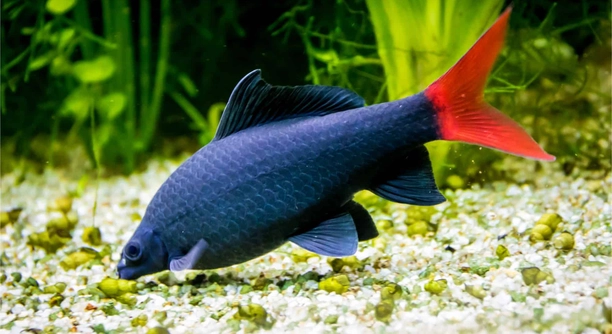
Rainbow sharks are popular fish in community tanks because of their bright colors and active nature. They need special care to stay healthy and get along with other fish. Knowing how to meet their needs can make a big difference in their well-being.
To help your rainbow shark thrive in community tanks, provide ample swimming space, maintain clean water with stable parameters, offer a balanced diet, include hiding spots, avoid aggressive tank mates, monitor behavior closely, and ensure consistent lighting and temperature conditions.
These simple but important steps will create a better environment for your rainbow shark and keep it healthy and happy in your tank.
Provide Ample Swimming Space
Rainbow sharks are active swimmers who need plenty of room to move around. A small tank will stress them out and limit their natural behavior. Ideally, your tank should be at least 30 gallons to give them enough space. When they have room, they swim more freely and show their true colors. Overcrowding can lead to territorial fights, so avoid keeping too many fish in one tank. This space also helps reduce aggression because rainbow sharks like to establish their own territory. A well-sized tank supports their health and happiness.
A 30-gallon tank minimum is recommended for one rainbow shark to thrive comfortably and reduce stress-related issues.
Along with space, the layout of the tank matters. Open swimming areas combined with plants and decorations create a balanced environment. This setup lets your rainbow shark explore but also find shelter when it wants to rest. When they feel secure and free, they display better behavior and colors. A spacious tank with thoughtful design is essential to their well-being and longevity.
Maintain Clean Water with Stable Parameters
Maintaining clean water is crucial for rainbow sharks because they are sensitive to poor conditions. Regular water changes and good filtration keep toxins low and oxygen levels high. The water temperature should stay between 74 and 80°F, and the pH level around 6.5 to 7.5. Sudden changes in water quality can stress the fish and lead to illness. Testing your water regularly helps you catch problems early before they affect your rainbow shark.
Stable water parameters support the fish’s immune system and overall health.
Cleaning involves changing 20-30% of the water weekly and removing leftover food or waste. A reliable filter is necessary to keep the water clear and healthy. Avoid overcrowding and feeding too much to prevent excess waste buildup. Proper water maintenance reduces diseases and keeps your rainbow shark energetic. Consistency in water quality creates a safe environment where they can thrive without unnecessary stress or health risks.
Offer a Balanced Diet
Rainbow sharks need a diet rich in protein and some plant matter to stay healthy. Feeding them high-quality sinking pellets or flakes designed for carnivorous fish is ideal.
Including live or frozen foods like bloodworms or brine shrimp can improve their nutrition. Vegetables such as blanched spinach or zucchini also help support their digestion and coloration. Avoid overfeeding, as this can pollute the tank and harm your fish.
A varied diet keeps rainbow sharks active and vibrant. It prevents nutritional deficiencies and supports their immune system. Feeding small amounts two to three times a day is best, making sure they consume all the food quickly. This approach reduces waste and keeps your tank cleaner.
Regularly changing the food variety encourages natural foraging behavior. It also helps maintain their energy levels and overall well-being, promoting a longer, healthier life in your community tank.
Include Hiding Spots
Rainbow sharks are territorial but need places to hide when feeling stressed. Providing caves, plants, or decorations creates safe zones.
Hiding spots reduce aggression and give your fish a place to retreat during conflicts. These areas also make your tank feel more natural and comfortable. Multiple hiding places help all fish coexist peacefully, lowering stress levels.
Decorate with driftwood, rocks, or dense plants to form these shelters. The more options they have, the better they can establish their territory without constant fights.
Hiding spots also encourage exploration and natural behavior, keeping your rainbow shark mentally stimulated. It improves their overall health and reduces signs of anxiety.
Creating a balanced environment with plenty of cover helps maintain harmony in a busy community tank. Your rainbow shark will benefit from having places to rest and feel secure.
Avoid Aggressive Tank Mates
Choosing peaceful tank mates is essential for rainbow sharks. Aggressive fish can cause stress and injury.
Keep your rainbow shark with calm, non-territorial species to maintain a peaceful environment and reduce conflicts.
Monitor Behavior Closely
Watch your rainbow shark daily for signs of stress, illness, or aggression. Early detection helps prevent serious problems.
Changes in activity, appetite, or appearance can indicate health issues. Responding quickly ensures your fish stays healthy and comfortable in the community tank.
Ensure Consistent Lighting and Temperature
Maintaining stable lighting and temperature supports your rainbow shark’s natural rhythm and health. Sudden changes can stress the fish.
Use a timer for lighting and a reliable heater to keep conditions steady, helping your rainbow shark thrive.
Keep the Tank Well Maintained
Regular cleaning and care prevent harmful buildup in the tank. A well-maintained tank supports all aquatic life.
Cleaning filters, removing waste, and checking water quality are key tasks for a healthy aquarium environment.
FAQ
How big should my tank be for a rainbow shark?
A tank of at least 30 gallons is recommended for one rainbow shark. They need space to swim actively and establish territory. Larger tanks reduce stress and aggression, especially if you plan to keep other fish with them.
Can rainbow sharks live with other fish?
Yes, they can live in community tanks but should be kept with peaceful, non-aggressive species. Avoid keeping them with very small or slow-moving fish because rainbow sharks can be territorial and may harass them.
What should I feed my rainbow shark?
Feed a varied diet including sinking pellets or flakes designed for carnivorous fish. Supplement with live or frozen foods like bloodworms or brine shrimp. Adding blanched vegetables such as zucchini or spinach helps digestion and color.
How often should I feed my rainbow shark?
Feed your rainbow shark two to three times daily in small amounts they can finish quickly. Overfeeding can pollute the water and cause health problems, so only offer what they can eat within a few minutes.
What water temperature is best for rainbow sharks?
Keep the water temperature between 74 and 80°F (23 to 27°C). Consistency is key, as sudden changes can stress the fish and weaken their immune system.
How often should I change the water?
Change 20-30% of the water every week to maintain cleanliness. Regular water changes keep toxin levels low and help maintain stable water parameters.
Do rainbow sharks need hiding spots?
Yes, they do. Hiding spots reduce stress and aggression by giving the fish places to retreat. Use caves, plants, or decorations to provide several safe areas in the tank.
Can rainbow sharks be aggressive?
They can be territorial, especially in small tanks or if stressed. Providing enough space and hiding spots helps reduce aggression. Avoid keeping multiple rainbow sharks in a small tank to prevent fights.
What signs show my rainbow shark is stressed or sick?
Look for changes in behavior, like hiding more than usual, loss of appetite, clamped fins, or faded colors. Early detection is important to treat any illness and keep your fish healthy.
How do I maintain stable water parameters?
Use a good filtration system and test the water regularly for pH, ammonia, nitrites, and nitrates. Keep pH between 6.5 and 7.5. Avoid sudden temperature or chemical changes by making gradual adjustments when needed.
Is it okay to keep multiple rainbow sharks together?
Generally, no. Rainbow sharks are territorial and usually fight when kept in close quarters. If you want more than one, a very large tank with plenty of hiding spots is necessary to reduce conflict.
What lighting is best for rainbow sharks?
Moderate, consistent lighting helps regulate their activity and enhances their colors. Use a timer to keep a regular day-night cycle, avoiding sudden bright or dark changes that may stress the fish.
How can I tell if my rainbow shark is healthy?
A healthy rainbow shark is active, swims smoothly, and shows bright colors. Their fins should be intact and free of spots or damage. Regular feeding and normal behavior are good signs of health.
Can rainbow sharks jump out of the tank?
Yes, they can sometimes jump, especially if stressed or frightened. Always use a secure lid to prevent accidents and keep your fish safe.
What should I do if my rainbow shark gets injured?
Isolate the injured fish in a quarantine tank if possible. Clean the wound gently and keep the water clean to prevent infection. Consult a vet or aquarium specialist for treatment advice if needed.
Taking care of a rainbow shark in a community tank requires attention and effort, but the results are rewarding. These fish are active and colorful, and with the right conditions, they can live a long and healthy life. Providing enough space, clean water, a balanced diet, and places to hide helps reduce stress and keeps them happy. It is important to watch their behavior and make adjustments when needed. Small changes can make a big difference in their health and comfort.
Maintaining stable water conditions is key to their well-being. Regular water changes, a good filter, and steady temperature and pH levels create a safe environment. Overfeeding or overcrowding should be avoided, as both can harm the tank’s balance and the fish’s health. Choosing calm tank mates and offering hiding spots help reduce aggression and stress. Rainbow sharks can be territorial, but a well-planned tank makes cohabitation easier for all fish.
Overall, caring for rainbow sharks means understanding their needs and providing a suitable environment. This takes time and patience, but it is worth it to see them thrive. Watching their natural behaviors and bright colors brings satisfaction to any aquarium keeper. By following simple care steps, you create a healthy and peaceful community tank where your rainbow shark can flourish.

Hello,
If you enjoy the content that we create, please consider saying a "Thank You!" by leaving a tip.
Every little bit helps us continue crafting quality advice that supports the health, happiness, and well-being of pets around the world, for pets of all shapes, sizes, and species.
We really appreciate the kindness and support that you show us!