
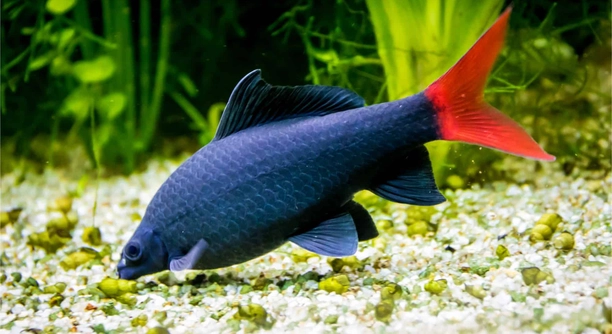
Rainbow Sharks are popular fish for community tanks due to their vibrant colors and active nature. They require specific care to stay healthy and happy alongside other fish. Proper tank conditions and diet are important for their well-being.
Helping your Rainbow Shark thrive involves maintaining clean water, providing enough space, offering a balanced diet, ensuring compatible tank mates, and minimizing stress. These factors together support their health and natural behavior in a community environment.
Learning these care tips will help your Rainbow Shark live comfortably and interact well with other fish in your tank. The following advice focuses on simple but effective ways to support their needs.
Provide a Spacious Tank Environment
Rainbow Sharks need enough room to swim freely and establish their territory. A tank smaller than 55 gallons can cause stress and aggression. These fish are active swimmers and require plenty of hiding spots like rocks, plants, or decorations to feel secure. When they have space to explore and rest, they are less likely to become aggressive towards other fish.
Crowded tanks increase competition for food and space, which can harm your Rainbow Shark’s health. Regular water changes and good filtration are essential to keep water quality high in larger tanks. Monitoring water parameters such as pH, temperature, and ammonia levels helps avoid illness. Keeping the tank clean and spacious promotes a calm environment where your Rainbow Shark can thrive.
Setting up a well-planned tank with proper dimensions and decorations benefits not just the Rainbow Shark but all community fish. A comfortable environment encourages natural behavior and reduces stress, which is key for long-term health and activity in your aquarium.
Choose Compatible Tank Mates
Avoid housing Rainbow Sharks with small, slow-moving, or shy fish. They can intimidate these species, causing stress or injury. Ideal tank mates include larger, fast-swimming fish that can hold their own without provoking aggression. Compatibility ensures peaceful coexistence and a balanced aquarium environment.
Maintain Clean Water Conditions
Regular water changes are essential to keep your Rainbow Shark healthy. Removing 20-30% of the tank water weekly helps reduce harmful toxins and waste buildup. Clean water supports their immune system and reduces stress, which lowers the risk of disease.
Using a reliable filter that suits your tank size is important for water quality. Filters remove debris, excess food, and waste, keeping the environment stable. It’s also necessary to test water parameters frequently to catch any issues early. pH should be between 6.5 and 7.5, and temperature around 75–82°F (24–28°C). Stable water conditions create a comfortable habitat for your Rainbow Shark.
Avoid sudden changes in water temperature or chemistry, as these can shock your fish. Gradual adjustments during water changes help Rainbow Sharks adapt smoothly. A consistent cleaning routine combined with monitoring ensures your tank remains a safe and welcoming space.
Offer a Balanced Diet
Rainbow Sharks are omnivores and need a mix of protein and plant-based foods. High-quality pellets or flakes made for bottom feeders should form the main part of their diet. Supplementing with live or frozen foods like bloodworms and brine shrimp provides extra nutrients.
Variety in their diet helps prevent nutritional deficiencies and keeps them interested in food. Occasional vegetables like blanched zucchini or spinach are also good additions. Feeding small amounts two to three times a day reduces waste and keeps the water cleaner. Overfeeding can lead to poor water quality and health problems.
Observing how much your Rainbow Shark eats can help avoid feeding too much or too little. A balanced diet supports growth, coloration, and overall health, making your fish more active and less prone to disease. Consistency in feeding habits will keep your Rainbow Shark strong and thriving.
Provide Plenty of Hiding Spots
Rainbow Sharks feel safer with hiding places in the tank. Rocks, plants, and caves offer refuge when they want to rest or avoid stress. These spots help reduce aggression and keep your fish calm.
Without enough cover, Rainbow Sharks may become territorial or stressed. A well-decorated tank supports their natural behavior and helps maintain peace in a community setup.
Monitor Their Behavior Regularly
Watching your Rainbow Shark’s behavior daily can reveal early signs of stress or illness. Look for changes in swimming, eating habits, or color. Prompt attention to these signs can prevent bigger problems later.
Avoid Sudden Tank Changes
Sudden changes in the tank environment can shock your Rainbow Shark. Avoid rapid temperature shifts, water chemistry changes, or adding too many new fish at once. Gradual adjustments are safer.
Maintain Stable Temperature
Keep the tank temperature steady between 75 and 82°F. Fluctuations can cause stress and weaken your Rainbow Shark’s immune system. Use a reliable heater and thermometer to monitor.
How often should I feed my Rainbow Shark?
Feeding your Rainbow Shark two to three times daily is usually enough. Give small portions they can finish within a few minutes. Overfeeding can lead to poor water quality and health issues, so it’s better to feed less and often rather than large amounts at once.
What is the best tank size for a Rainbow Shark?
A minimum tank size of 55 gallons is recommended. Rainbow Sharks grow up to 6 inches and need space to swim and establish territories. Larger tanks help reduce aggression and provide a better environment for all community fish.
Can Rainbow Sharks live with other fish?
Yes, but it’s important to choose compatible tank mates. Avoid small, slow, or shy fish that may be stressed by the Rainbow Shark’s active nature. Suitable companions are larger, fast-swimming fish that can handle their presence without conflict.
How do I tell if my Rainbow Shark is stressed?
Signs include hiding excessively, loss of appetite, dull coloration, or erratic swimming. Stress can result from poor water quality, overcrowding, or aggressive tank mates. Addressing these issues quickly helps your fish recover and stay healthy.
What temperature is best for Rainbow Sharks?
Keep the water temperature steady between 75°F and 82°F (24°C–28°C). Sudden changes or temperatures outside this range can stress the fish and make them vulnerable to disease. Use a heater and thermometer to maintain stable conditions.
What should I do if my Rainbow Shark becomes aggressive?
Aggression often comes from insufficient space or incompatible tank mates. Try rearranging tank decorations to break up territories, increase tank size, or separate aggressive individuals. Adding more hiding spots can also reduce conflicts.
How important is water quality for Rainbow Sharks?
Water quality is very important. Rainbow Sharks need clean, well-filtered water with stable parameters. Regular water changes and monitoring ammonia, nitrite, nitrate, and pH levels help prevent illness and keep your fish comfortable.
Are live plants beneficial for Rainbow Sharks?
Yes, live plants provide hiding places and improve water quality by absorbing nitrates. They also create a natural environment that helps reduce stress. Choose hardy plants that can tolerate the fish’s activity, like Java fern or Anubias.
Can Rainbow Sharks adapt to different diets?
Rainbow Sharks are omnivores and do well with a varied diet. They accept pellets, flakes, live, and frozen foods. Offering a mix ensures they get all necessary nutrients, supports their health, and keeps them interested in feeding.
How long do Rainbow Sharks typically live?
With proper care, Rainbow Sharks can live 5 to 8 years. Maintaining good water quality, providing a balanced diet, and reducing stress contribute to their longevity. Regular tank maintenance and monitoring help your fish stay healthy for years.
Is it necessary to quarantine new fish before adding them to the tank?
Quarantining new fish is strongly recommended to prevent introducing diseases. A separate quarantine tank allows observation and treatment before mixing with your Rainbow Shark and other tank mates, keeping everyone safer.
What lighting is best for a Rainbow Shark tank?
Moderate lighting works well, enough to support any live plants but not too bright to cause stress. Too much light may increase algae growth, while too little can affect plant health. Use a timer to maintain a consistent day/night cycle.
How often should I clean the tank?
Perform partial water changes of 20-30% weekly and clean the substrate and decorations monthly. Avoid cleaning everything at once to preserve beneficial bacteria. Routine maintenance helps maintain water quality and reduces stress for your Rainbow Shark.
Can Rainbow Sharks jump out of the tank?
Yes, they are known to jump occasionally. Always keep a secure lid on your tank to prevent escapes and injuries. Make sure the lid fits well and has no gaps that a Rainbow Shark could slip through.
What are common diseases affecting Rainbow Sharks?
Common diseases include Ich, fin rot, and bacterial infections, often caused by poor water quality or stress. Early signs include white spots, torn fins, or lethargy. Treat promptly with appropriate medication and improve tank conditions to prevent recurrence.
Taking care of a Rainbow Shark in a community tank requires attention to several important details. Ensuring the tank is spacious and well-decorated with hiding spots helps reduce stress and aggression. Maintaining clean, stable water conditions supports their health and encourages natural behavior. Feeding a balanced diet regularly keeps them strong and vibrant. These steps create a peaceful environment where your Rainbow Shark can live comfortably alongside other fish.
It is also important to monitor your Rainbow Shark’s behavior daily. Noticing early signs of stress or illness can help you act quickly to prevent more serious problems. Avoiding sudden changes in water temperature or chemistry protects them from unnecessary shock. Choosing tank mates carefully can prevent conflicts and make the aquarium more enjoyable for everyone. A well-maintained tank and thoughtful care practices go a long way in supporting your fish’s well-being.
Overall, caring for Rainbow Sharks is manageable with some planning and routine. Their active nature and bright colors make them a rewarding addition to a community tank when their needs are met. Paying attention to water quality, tank size, diet, and social conditions helps them thrive. Following these basic guidelines ensures your Rainbow Shark remains healthy, active, and a beautiful part of your aquarium for years to come.

Hello,
If you enjoy the content that we create, please consider saying a "Thank You!" by leaving a tip.
Every little bit helps us continue crafting quality advice that supports the health, happiness, and well-being of pets around the world, for pets of all shapes, sizes, and species.
We really appreciate the kindness and support that you show us!