
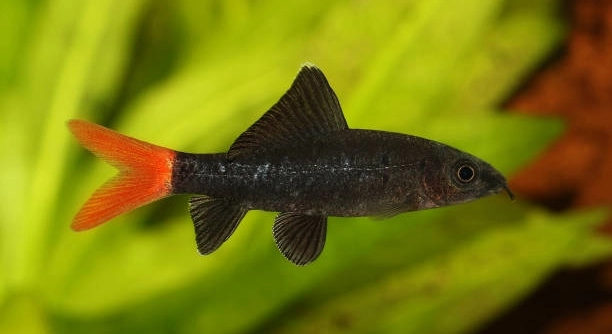
Keeping a rainbow shark healthy and happy requires careful attention to its environment and care routine. Many fish owners find it challenging to provide the right conditions for these vibrant freshwater fish. Proper care ensures their colors stay bright and their behavior remains active.
Rainbow sharks thrive best in clean, well-maintained tanks with adequate space, balanced water parameters, and a varied diet. Regular monitoring and tank maintenance are essential to prevent stress and disease, promoting their overall health and longevity.
Following simple yet important care tips will help your rainbow shark flourish. Understanding their needs improves their wellbeing and enhances your enjoyment as a fish keeper.
Creating the Right Tank Environment
A well-set-up tank is vital for your rainbow shark’s health. These fish need a spacious aquarium of at least 30 gallons to swim freely and reduce territorial stress. The tank should have smooth gravel or sand as substrate, along with plenty of hiding spots like caves or plants. They prefer dim lighting because bright lights can make them anxious. Water temperature should be maintained between 72°F and 79°F with a stable pH of 6.5 to 7.5. Proper filtration is also necessary to keep the water clean and well-oxygenated. Regular water changes, about 20-25% weekly, prevent harmful toxins from building up. These conditions mimic their natural habitat and help maintain their vibrant colors and active behavior. Avoid overcrowding the tank, as it can cause aggression and poor water quality, which harms the fish’s health. Attention to these details creates a comfortable and safe environment for your rainbow shark.
Maintaining a clean, properly sized tank with stable conditions reduces stress and supports healthy growth in rainbow sharks.
Providing the right tank environment is the foundation for your fish’s wellbeing. A stable temperature and pH, ample space, and clean water keep the rainbow shark comfortable and less prone to illness. Smooth substrate protects their delicate fins during bottom swimming. Adding plants and hiding spots creates security and reduces stress. Without adequate space, these fish can become aggressive toward tank mates. Efficient filtration removes waste and prevents ammonia and nitrite spikes, which are toxic to fish. Monitoring water parameters regularly ensures any changes are addressed quickly. Consistent care in tank setup helps your rainbow shark display its natural colors and behaviors, making it a rewarding pet to observe.
Feeding Your Rainbow Shark Properly
Feeding plays a major role in the health of your rainbow shark. They are omnivores, needing both plant-based and protein-rich foods to stay balanced. A varied diet supports their energy levels and vibrant colors.
A good diet includes high-quality sinking pellets, supplemented with live or frozen foods like bloodworms and brine shrimp, along with some vegetable matter.
It’s important to feed small amounts two to three times a day. Overfeeding can pollute the tank, causing water quality issues. Rainbow sharks often graze on algae, so offering vegetables like blanched zucchini or spinach is beneficial. Avoid feeding solely flakes, as these do not provide enough nutrients. A balanced diet helps maintain their health, coloration, and activity. Regular feeding times create routine and reduce stress. Observing your fish’s eating habits also helps detect early signs of illness. Proper nutrition is essential for long-term vitality and enjoyment of your rainbow shark.
Monitoring Water Quality
Regular testing of water parameters is essential for your rainbow shark’s health. Ammonia, nitrite, and nitrate levels must be kept low. pH and temperature should remain stable to avoid stress and illness.
Testing kits help you track water conditions easily. Ammonia and nitrite should be at zero, while nitrate must stay below 20 ppm. Sudden changes in pH or temperature can weaken your fish’s immune system. Keeping these factors in check prevents common diseases and promotes longevity. Frequent water changes and proper filtration support stable conditions. Monitoring water quality ensures your rainbow shark remains active and vibrant, avoiding health problems related to poor tank conditions.
Regular attention to water quality prevents disease and keeps your rainbow shark comfortable. Maintaining ideal levels supports their natural behavior and coloring, making tank maintenance less stressful for you.
Tank Mates for Rainbow Sharks
Rainbow sharks can be territorial, so choosing compatible tank mates is important. Avoid small, slow-moving, or shy fish that may become targets. Larger, peaceful fish that share similar water requirements usually coexist better.
Suitable companions include barbs, danios, and certain catfish species. Avoid keeping multiple rainbow sharks in a small tank, as this increases aggression. Always introduce new fish carefully to minimize stress and conflicts. Provide plenty of hiding spots to reduce territorial disputes. Observing interactions helps catch problems early. Proper selection of tank mates creates a peaceful environment, allowing your rainbow shark to thrive without unnecessary stress or injury.
Avoiding Common Diseases
Rainbow sharks are prone to common freshwater fish diseases like ich and fin rot. Early detection is key to successful treatment. Keep the tank clean and maintain stable water parameters to reduce risks.
Quarantine new fish before adding them to the tank. Watch for signs such as white spots, frayed fins, or lethargy. Prompt action improves recovery chances and protects your fish’s health.
Proper Tank Lighting
Use dim or moderate lighting to mimic the rainbow shark’s natural habitat. Bright lights can cause stress and make the fish hide more often.
Providing Hiding Spots
Include caves, plants, and decorations to create safe areas for your rainbow shark. Hiding spots reduce stress and aggression, encouraging natural behavior and comfort.
FAQ
How often should I change the water in my rainbow shark’s tank?
Water changes should be done weekly, replacing about 20-25% of the tank’s water each time. This helps keep harmful chemicals like ammonia and nitrites low. Regular water changes maintain a healthy environment, reducing stress and illness in your rainbow shark.
What is the ideal tank size for a rainbow shark?
A minimum of 30 gallons is recommended for a single rainbow shark. They are active swimmers and need space to move freely. Larger tanks also help reduce territorial behavior and aggression toward other fish.
Can rainbow sharks live with other fish?
Yes, but careful selection of tank mates is necessary. Suitable companions include barbs, danios, and some catfish species. Avoid small or slow-moving fish that can be bullied. Always monitor interactions and provide hiding spots.
What should I feed my rainbow shark?
Feed a varied diet of sinking pellets, supplemented with live or frozen foods like bloodworms or brine shrimp. Adding vegetables like blanched zucchini or spinach is beneficial. Feed small amounts two to three times daily to avoid overfeeding.
How do I know if my rainbow shark is stressed?
Signs of stress include hiding excessively, loss of color, rapid breathing, or erratic swimming. Stress can result from poor water quality, overcrowding, or inappropriate tank mates. Regular maintenance and observation help prevent stress.
What water temperature is best for rainbow sharks?
Keep the water between 72°F and 79°F. Stable temperatures within this range support their metabolism and immune system. Sudden temperature changes can lead to illness.
How do I prevent diseases in my rainbow shark?
Maintain clean water with stable parameters and quarantine new fish before adding them to the tank. Avoid overcrowding and overfeeding. Early detection of symptoms like white spots or frayed fins improves treatment success.
Can rainbow sharks be kept in community tanks?
Yes, with compatible fish and enough space. Avoid housing more than one rainbow shark in smaller tanks to reduce aggression. Providing hiding spots helps maintain peace.
Why is my rainbow shark hiding so much?
Hiding can indicate stress, poor water conditions, or aggressive tank mates. It’s normal for them to rest in shelters, but excessive hiding warrants checking water quality and tank dynamics.
How often should I feed my rainbow shark?
Feed two to three small meals daily. This keeps their energy up without polluting the tank. Remove uneaten food promptly to maintain water quality.
Is it okay to keep multiple rainbow sharks together?
Only if the tank is very large, 55 gallons or more. In smaller tanks, multiple rainbow sharks tend to fight due to territorial behavior, causing stress and injuries.
What kind of substrate is best for rainbow sharks?
Smooth gravel or sand is ideal. Rough substrates can damage their fins and barbels. A soft substrate supports their natural bottom-dwelling behavior.
Do rainbow sharks need plants in their tank?
Yes, plants provide shelter and reduce stress. They also help improve water quality by absorbing nitrates. Use hardy plants that can tolerate moderate lighting.
How long do rainbow sharks live?
With proper care, rainbow sharks live 5 to 8 years. Good water quality, a balanced diet, and a stress-free environment contribute to their longevity.
Can rainbow sharks jump out of the tank?
Yes, they are known to jump when stressed or startled. A secure lid or cover is necessary to prevent escapes and injuries.
What is the best way to acclimate a new rainbow shark?
Float the bag in the tank for 15-20 minutes to equalize temperature. Gradually mix tank water into the bag over 30 minutes before releasing the fish. This reduces shock and stress.
Why is my rainbow shark losing color?
Fading colors often indicate stress, poor diet, or bad water conditions. Improving tank parameters and feeding a varied diet usually restores vibrancy.
Can rainbow sharks eat algae?
Yes, they graze on algae, which helps control algae growth in the tank. Supplement their diet with vegetables to ensure balanced nutrition.
Is it necessary to use a heater for rainbow sharks?
In most cases, yes. They need stable temperatures in the 72°F to 79°F range. Heaters help maintain this, especially in cooler climates or rooms.
How often should I clean the tank filter?
Clean the filter media every 3-4 weeks to avoid clogging but do not over-clean, as beneficial bacteria live there. Rinse with tank water to preserve bacteria colonies.
These answers cover the most common concerns about caring for rainbow sharks, helping to keep them healthy and thriving in your aquarium.
Taking care of a rainbow shark requires consistent attention and proper care, but it is rewarding to see these fish thrive in your aquarium. Providing the right environment, including adequate tank size, proper water conditions, and sufficient hiding spots, plays a crucial role in their health. Paying attention to water quality and keeping the tank clean helps prevent common health issues. A stable temperature and balanced pH create a comfortable setting that supports the fish’s natural behavior. These steps ensure your rainbow shark stays active and displays its vibrant colors.
Feeding is another important aspect of care. Rainbow sharks need a varied diet that includes both protein and plant-based foods. Offering sinking pellets along with live or frozen treats like bloodworms or brine shrimp supports their nutritional needs. Adding vegetables such as blanched zucchini or spinach promotes good digestion and overall wellbeing. Feeding small portions multiple times a day prevents overfeeding, which can lead to water pollution and health problems. Observing your fish during feeding times can help you spot any early signs of illness or stress.
Choosing compatible tank mates and monitoring your fish for signs of stress or disease are also key to a thriving aquarium. Rainbow sharks can be territorial, so selecting fish that can live peacefully with them helps reduce aggression. Providing plenty of hiding places lowers stress and allows natural behaviors to show. Regular observation of your rainbow shark’s behavior and appearance enables timely action if problems arise. With these care practices, your rainbow shark can live a long, healthy life, bringing color and activity to your tank.

Hello,
If you enjoy the content that we create, please consider saying a "Thank You!" by leaving a tip.
Every little bit helps us continue crafting quality advice that supports the health, happiness, and well-being of pets around the world, for pets of all shapes, sizes, and species.
We really appreciate the kindness and support that you show us!