
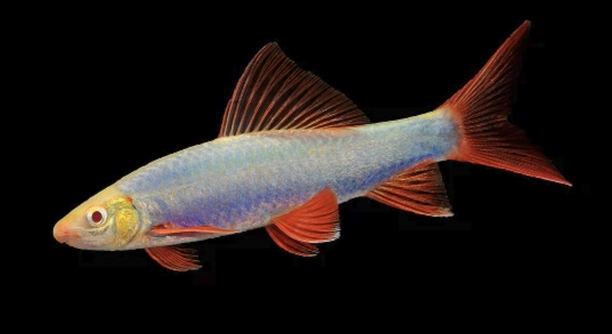
Is your rainbow shark acting differently, swimming less, or showing signs of stress that leave you feeling concerned about their health?
The best way to help your rainbow shark recover from illness is by maintaining optimal water conditions, offering a nutritious diet, and closely observing behavior changes. Prompt action and consistency can significantly improve recovery outcomes.
Taking the time to understand the signs and causes of illness can help you support your fish’s healing process and overall well-being.
Keep the Water Clean and Stable
Clean water is the most important factor in helping your rainbow shark recover. Poor water quality can make your fish feel worse and slow down recovery. Test the water often for ammonia, nitrites, nitrates, and pH levels. Keep the temperature between 75°F and 81°F and avoid sudden changes. Do partial water changes every few days to keep the tank fresh and reduce stress. Make sure the tank is not overcrowded, and clean the filter regularly. If your rainbow shark is sick, avoid adding new fish or decorations for a while. Give your fish time to rest in a calm, stable environment. Good water conditions will help your fish breathe easier and regain strength. Healing starts with the basics, and stable water is the first step.
A clean tank not only prevents new problems but also helps your fish use its energy for healing instead of stress.
Taking these simple steps may not seem like much at first, but they have a big impact. When your fish is already weak, even small stressors can set back recovery. A calm, stable tank with good filtration and clean water gives your rainbow shark the best chance to heal. Think of it as setting up a quiet space where your fish can rest, feel safe, and slowly get better without extra strain.
Feed the Right Foods
When your fish is sick, the right food matters. Stick to high-quality sinking pellets, and avoid overfeeding.
A recovering rainbow shark needs food that is easy to digest but still full of nutrients. Try offering blanched vegetables like zucchini or spinach in small amounts. These can help support digestion and bring in natural vitamins. You can also offer bloodworms or brine shrimp occasionally as a protein boost, but make sure not to overdo it. Too much protein or poor-quality food can upset your fish’s system and make things worse. Watch how your fish responds. If it refuses food, remove any leftovers quickly to prevent the water from getting dirty. Feeding once a day is enough during recovery. This keeps the tank clean and gives your fish time to digest. Proper nutrition helps your rainbow shark gain strength and support its immune system during the healing process.
Reduce Stress in the Tank
Too much stress can make your rainbow shark’s condition worse. Bright lights, loud noises, and sudden movements near the tank should be avoided.
Keeping the tank calm is important during recovery. Turn off bright lights or use dim lighting to help your fish relax. Limit the amount of time you spend near the tank, especially if your fish seems skittish or hides often. Avoid tapping the glass or rearranging things inside the tank unless it’s necessary. If there are other fish in the tank, make sure they are not bothering your rainbow shark. Aggressive tank mates should be moved if needed. Stress can weaken the immune system, which slows down healing. A calm space gives your rainbow shark a better chance to rest and recover without added pressure or disturbance.
If possible, add hiding spots like smooth caves or plants. These give your fish a safe place to stay hidden and feel secure.
Creating a peaceful space doesn’t need to be complicated. Even small things like using a quiet room or placing a towel over part of the tank can help block out too much activity. The more secure your fish feels, the less energy it will spend on reacting to stress. That energy can then go toward healing and staying stable. Tank stress is often overlooked, but it plays a big role in how quickly your fish recovers. Think of it like letting your fish catch its breath without constant distractions.
Observe Behavior Closely
Watch for any changes in swimming patterns, color, appetite, or how your fish interacts with the environment. These signs can help you know if things are getting better or worse.
Daily observation can help you catch signs early. If your rainbow shark is hiding more than usual, floating near the surface, or resting at the bottom often, these may be signs that something is wrong. A loss of appetite or darker color can also show that recovery isn’t going well. On the other hand, if your fish starts exploring the tank more and eating regularly, these are signs of improvement. It’s best to look at your fish at the same time each day to track changes. Keeping a simple log can help you notice patterns. If anything seems off or worsens, you may need to adjust care or contact a vet with fish experience.
Separate If Necessary
If other fish are bothering your rainbow shark or competing for food, it may be best to move your shark to a separate tank. A quiet, clean hospital tank can give your fish space to heal without added stress.
Use water from the main tank to set up the hospital tank. This helps avoid shocking your fish with sudden changes. Keep filtration gentle, and avoid strong currents. Add a heater, some hiding spots, and monitor water conditions closely. This setup supports a safe, stable environment during recovery.
Consider Medication Carefully
Only use medication if you’re sure what illness your rainbow shark has. Adding the wrong treatment can do more harm than good. Always research medications before using them, and check that they are safe for all fish in the tank. Look for clear signs like fungal patches, torn fins, or white spots. If unsure, consult with an aquarium specialist or a vet. Follow dosage instructions closely, and remove carbon from your filter if the product says so. While medication can be helpful, it should be used with care and only when truly needed.
Keep a Routine
Keep feeding and maintenance schedules consistent each day. Sudden changes can confuse or stress your fish during recovery. Regular care builds a sense of safety and supports healing.
FAQ
How long does it usually take for a rainbow shark to recover from illness?
Recovery time can vary depending on the illness and how quickly you start treatment. Mild issues might clear up within a week or two if water conditions are good and stress is low. More serious infections can take several weeks or longer. Consistency in care is key to a faster recovery.
What signs show that my rainbow shark is getting better?
Improved swimming activity, normal appetite, brighter colors, and less hiding are good signs. When your fish begins to explore more and interacts with tank mates, it usually means it’s feeling stronger. Watch for a return to regular behavior as a sign of healing.
Can I treat my rainbow shark’s illness with natural remedies?
Some natural remedies like aquarium salt or herbal treatments can help with minor issues, but they are not always enough for serious infections. Use these cautiously and only after researching. Sometimes professional medication or advice is necessary for full recovery.
Is it safe to keep other fish in the tank when one is sick?
It depends on the illness and how aggressive other fish are. If the sick fish is being bullied or food is being competed for, separate tanks are better. Also, some diseases can spread, so quarantine helps protect the whole tank.
How often should I test the water during recovery?
Testing water every two to three days is ideal while your fish is sick. This helps you catch any harmful changes early. Focus on ammonia, nitrite, nitrate, and pH. Keeping these stable is critical to supporting your fish’s healing.
What type of food is best when my rainbow shark is sick?
Feed easily digestible, nutritious food like high-quality sinking pellets and small amounts of vegetables. Avoid overfeeding to prevent water pollution. Protein-rich treats like bloodworms are good but should be given sparingly. Keep feeding once a day during recovery.
Should I turn off the tank lights when my fish is sick?
You don’t have to turn them off completely, but dimming the lights can reduce stress. Bright lights may make your fish hide more or feel anxious. Using a low-light setting or partially covering the tank can create a more relaxing space.
When should I contact a vet or aquarium specialist?
If your fish’s condition worsens despite good care or if you notice severe symptoms like open wounds, heavy breathing, or constant lying on the bottom, it’s time to seek expert help. A vet with experience in fish health can offer the right diagnosis and treatment.
Taking care of a sick rainbow shark can feel challenging, but focusing on key steps can make a big difference. Keeping the tank clean and stable is the foundation of recovery. Good water quality reduces stress and supports the fish’s immune system. Feeding the right food in the right amounts helps your fish get the nutrients it needs without polluting the water. Watching your fish closely allows you to catch early signs of improvement or worsening, so you can adjust care as needed.
Stress plays a big role in how quickly your rainbow shark heals. Creating a calm and peaceful environment helps your fish feel safe and recover faster. If other fish are causing trouble, using a separate hospital tank may be necessary to reduce competition and bullying. Medication should only be used when you are sure of the illness and know how to apply it safely. Overusing treatments or using the wrong ones can harm your fish more than help. Consistency and patience are important. Recovery takes time, and small daily efforts add up.
Supporting your rainbow shark’s health means paying attention to its needs and making thoughtful changes to the tank and care routine. Healing is not instant, but with steady care, your fish has a good chance to get better and return to normal activity. Remember that every fish is different, and some may recover more quickly than others. Stay calm, follow good care habits, and keep learning about your fish’s health. This will help you become a better caretaker and keep your rainbow shark happy and healthy in the long run.

Hello,
If you enjoy the content that we create, please consider saying a "Thank You!" by leaving a tip.
Every little bit helps us continue crafting quality advice that supports the health, happiness, and well-being of pets around the world, for pets of all shapes, sizes, and species.
We really appreciate the kindness and support that you show us!