
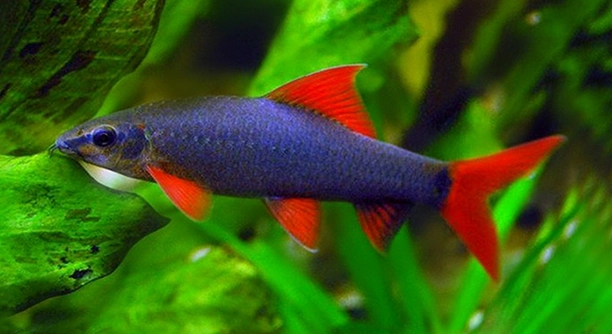
Rainbow sharks are popular aquarium fish known for their bright colors and peaceful nature. Many fishkeepers enjoy watching them swim gracefully in their tanks. Keeping these fish healthy and happy requires some care and attention.
Helping your rainbow shark live longer involves maintaining clean water, providing a balanced diet, ensuring proper tank size, avoiding overcrowding, monitoring water temperature, offering hiding spots, and observing their health regularly. These steps reduce stress and prevent diseases.
Learning how to care for your rainbow shark properly can improve its quality of life and increase its lifespan in your aquarium.
Keep the Water Clean and Well-Filtered
Maintaining clean water is essential for the health of your rainbow shark. These fish are sensitive to poor water quality, which can lead to stress and illness. Regular water changes help remove toxins like ammonia and nitrites that build up over time. Using a good filtration system keeps the water clear and oxygenated, supporting a stable environment. Aim to change about 20-25% of the water weekly, and always test water parameters to ensure levels are safe. Avoid overfeeding as leftover food can pollute the tank quickly. Monitoring water quality is a simple yet powerful way to keep your rainbow shark thriving. Clean water promotes strong immune systems and better overall behavior in your fish.
Consistent water care reduces the risk of disease and keeps your rainbow shark active and vibrant.
Taking the time to properly maintain water quality creates a healthy environment that supports your fish’s longevity. Proper filtration and regular maintenance are key to preventing common health problems and ensuring your rainbow shark stays happy.
Provide a Balanced and Nutritious Diet
Feeding your rainbow shark the right diet is crucial for its growth and health. Rainbow sharks are omnivores and need a mix of proteins and plant-based foods. High-quality sinking pellets formulated for bottom feeders are a good staple. Supplement their diet with live or frozen foods like bloodworms or brine shrimp for variety and extra nutrients. Including some vegetable matter, such as blanched spinach or zucchini, will also support their digestion and health. Avoid overfeeding since excess food leads to water pollution and can cause obesity. Feed small amounts once or twice daily, only what your fish can finish quickly. A balanced diet helps strengthen your rainbow shark’s immune system and supports its vibrant colors.
A varied diet ensures your fish receive all the nutrients needed to stay strong and healthy. Paying attention to portion size and food quality prevents health issues linked to poor nutrition. Proper feeding habits contribute significantly to extending your rainbow shark’s lifespan.
Ensure Proper Tank Size and Avoid Overcrowding
A spacious tank gives your rainbow shark room to swim and reduces stress. Overcrowding can cause aggression and poor water quality.
A minimum tank size of 30 gallons is recommended for one rainbow shark. Larger tanks provide better swimming space and dilute waste more effectively. Avoid keeping too many fish in a small tank as this increases competition for resources and raises ammonia levels. Proper tank size promotes natural behavior and reduces stress-related health problems, which can shorten your fish’s life.
Spacing is also important because rainbow sharks may show territorial behavior. Giving each fish enough space minimizes conflicts and injury. A well-sized tank makes it easier to maintain stable water conditions and supports your fish’s overall well-being.
Monitor Water Temperature and Provide Hiding Spots
Rainbow sharks thrive in temperatures between 72°F and 79°F. Keeping the temperature steady helps prevent stress and illness. Use a reliable heater and thermometer to maintain this range. Sudden temperature changes weaken their immune system.
Providing hiding spots with plants, caves, or decorations gives your fish a sense of security. Hiding places reduce stress by offering refuge from tank mates or bright lights. This also encourages natural behaviors and helps your rainbow shark feel comfortable. Combining proper temperature control with ample hiding spaces improves your fish’s health and supports a longer life in your aquarium.
Avoid Aggressive Tank Mates
Choosing peaceful tank mates is important for your rainbow shark’s well-being. Aggressive fish can cause stress and injury.
Rainbow sharks may become territorial, so avoid housing them with fin-nippers or overly aggressive species. Keeping compatible fish helps maintain a calm environment where your rainbow shark can thrive without constant stress.
Regularly Observe Your Fish’s Health
Watch your rainbow shark closely for signs of illness or unusual behavior. Early detection of problems allows timely treatment. Look for changes in appetite, color, swimming patterns, or visible injuries. Healthy fish are active and alert with bright coloration. Monitoring your fish regularly helps catch issues before they become serious and supports a longer, healthier life.
Maintain Stable Water Parameters
Stable water parameters reduce stress and disease risk. Regular testing for pH, ammonia, nitrites, and nitrates keeps the tank safe. Aim for a pH between 6.5 and 7.5, and keep ammonia and nitrites at zero. Consistency is key to your rainbow shark’s health and longevity.
FAQ
How often should I change the water in my rainbow shark’s tank?
Water changes should be done weekly, replacing about 20-25% of the tank water each time. This helps remove waste and toxins that can harm your fish. Consistent water changes keep the environment stable and healthy for your rainbow shark.
What is the ideal tank size for one rainbow shark?
A tank of at least 30 gallons is recommended for a single rainbow shark. This size gives enough room for swimming and reduces stress. Bigger tanks are better if you plan to keep multiple fish or other species.
Can rainbow sharks live with other fish?
Yes, but it’s important to choose peaceful tank mates. Avoid aggressive or fin-nipping fish because rainbow sharks can get stressed or injured. Species like tetras, barbs, or peaceful bottom dwellers usually get along well.
What do rainbow sharks eat?
They are omnivores, so a mix of sinking pellets, live or frozen foods like bloodworms or brine shrimp, and some vegetables such as zucchini or spinach works best. Feeding a varied diet supports good health and vibrant colors.
How much should I feed my rainbow shark?
Feed small amounts once or twice a day, only what your fish can eat in a few minutes. Overfeeding can pollute the tank and cause health problems like obesity.
What water temperature is best for rainbow sharks?
Keep the water between 72°F and 79°F. Maintaining a stable temperature in this range prevents stress and helps keep your rainbow shark healthy.
Why does my rainbow shark hide so much?
Hiding is normal behavior, especially if your tank lacks proper hiding spots or if the fish feels stressed. Providing caves, plants, or decorations helps your rainbow shark feel safe and reduces stress.
How can I tell if my rainbow shark is sick?
Signs of illness include loss of appetite, faded color, lethargy, unusual swimming patterns, or visible wounds. Regular observation lets you spot problems early and take action before they get worse.
Do rainbow sharks need a filter in their tank?
Yes, a good filter is essential. It keeps the water clean and oxygenated, reducing harmful toxins. A filter also helps maintain a stable environment that supports your fish’s health.
How long do rainbow sharks typically live?
With proper care, rainbow sharks can live 5 to 8 years in captivity. Providing clean water, good food, and a stress-free environment helps maximize their lifespan.
Can I keep more than one rainbow shark together?
It is possible but challenging. Rainbow sharks are territorial and may fight if the tank is too small or lacks enough hiding places. If you keep multiple, use a large tank with plenty of space and hiding spots.
What pH level should I maintain for my rainbow shark?
A pH between 6.5 and 7.5 is ideal. Keep it stable because sudden changes can stress your fish and make them vulnerable to disease.
Is it okay to use tap water for the tank?
Tap water is okay if treated to remove chlorine and chloramine, which are harmful to fish. Use a water conditioner to make tap water safe before adding it to the tank.
How often should I clean the tank decorations and substrate?
Clean decorations and substrate every few weeks or as needed. Use tank water for rinsing to preserve beneficial bacteria. Avoid harsh chemicals that can harm your fish.
Why is my rainbow shark not eating?
Loss of appetite can be caused by stress, poor water quality, illness, or incorrect diet. Check water parameters and observe your fish for signs of disease. Adjust feeding and environment to encourage eating.
Can rainbow sharks live without hiding spots?
While they may survive, lack of hiding places causes stress and reduces their comfort. Hiding spots allow them to feel secure, which supports better health and natural behavior. Adding caves or plants is recommended.
What should I do if my rainbow shark gets injured?
Isolate the injured fish in a quarantine tank if possible. Keep the water clean and monitor the wound. Some minor injuries heal on their own, but severe wounds may need treatment with appropriate medications.
Are rainbow sharks nocturnal or active during the day?
Rainbow sharks are mostly active during the day. They enjoy exploring and swimming around but also appreciate resting in hiding spots when they want to feel safe.
How do I introduce a new rainbow shark to my tank?
Acclimate the new fish slowly by floating the bag in the tank water for 15-20 minutes. Then gradually mix tank water into the bag before releasing the fish. This helps reduce stress and prevent shock.
What causes cloudy water in my tank?
Cloudy water often results from bacterial blooms, overfeeding, or poor filtration. Regular water changes, proper feeding, and a good filter usually fix this issue quickly. Avoid adding too many fish at once.
Can I use a water test kit to check my tank?
Yes, water test kits are essential for monitoring ammonia, nitrites, nitrates, and pH. Regular testing helps you keep the water safe and prevent health problems for your rainbow shark.
Taking good care of your rainbow shark is important if you want it to live a long and healthy life. These fish need a clean tank, proper food, and a good environment to stay strong. Paying attention to their water quality and feeding habits helps prevent many common problems. Regular tank maintenance and watching your fish closely will help you notice any issues early. When you keep their tank clean and stable, your rainbow shark will feel more comfortable and less stressed.
Providing a proper tank size and the right companions also makes a big difference. Overcrowding or aggressive tank mates can cause stress, which lowers the fish’s resistance to illness. Rainbow sharks like to have their own space and places to hide when they feel threatened. Giving them enough room and shelter helps them behave naturally and stay healthy. Also, maintaining the right water temperature and pH keeps their environment steady, which is important for their well-being.
Finally, patience and care go a long way. It’s normal to learn as you go, and small adjustments can improve your fish’s life significantly. By following these simple steps—clean water, balanced diet, suitable tank conditions, and careful observation—you can enjoy watching your rainbow shark thrive for many years. Consistent care not only helps your fish live longer but also makes keeping an aquarium a more rewarding experience.

Hello,
If you enjoy the content that we create, please consider saying a "Thank You!" by leaving a tip.
Every little bit helps us continue crafting quality advice that supports the health, happiness, and well-being of pets around the world, for pets of all shapes, sizes, and species.
We really appreciate the kindness and support that you show us!