
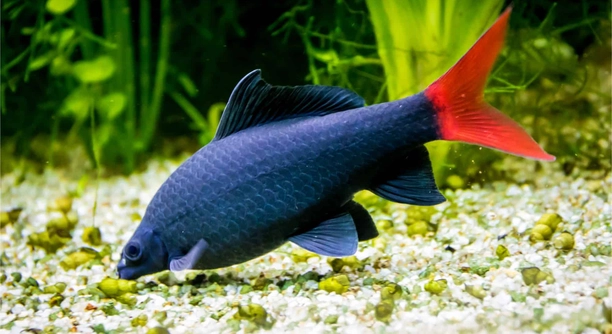
Rainbow sharks are popular freshwater fish known for their bright colors and active nature. Many fishkeepers want their rainbow sharks to live healthy and long lives in home aquariums. Proper care is essential for these unique aquatic pets to thrive.
Ensuring a long life for your rainbow shark involves maintaining clean water, providing a suitable tank size, offering a balanced diet, and creating a stress-free environment. Regular monitoring and compatible tank mates also contribute significantly to their well-being and longevity.
Learning simple but important care tips will help you keep your rainbow shark healthy and vibrant for years to come. This article will guide you through essential steps to support your fish’s long-term health.
Maintain Clean and Stable Water Conditions
Clean water is vital for the health of your rainbow shark. These fish are sensitive to changes in water quality and can become stressed or sick if their environment is dirty. Regular water changes help remove waste, uneaten food, and harmful chemicals like ammonia and nitrites. Use a good filter to keep the water clear and oxygenated. Test the water often to monitor pH, ammonia, nitrite, and nitrate levels. Ideal pH for rainbow sharks is between 6.5 and 7.5, and the water temperature should stay around 75 to 79°F (24 to 26°C). Avoid sudden temperature changes, which can weaken their immune system. Keeping water stable supports the fish’s natural behavior and helps prevent disease. A clean tank also reduces algae buildup, keeping your aquarium visually pleasing. Taking these steps regularly will give your rainbow shark a healthy and stress-free home.
Clean water reduces the risk of illness and supports overall fish vitality. It is the foundation for a long and healthy life.
Water quality affects your fish’s health more than many realize. Even small amounts of toxins can build up quickly in a tank. Consistent care through scheduled water changes and filter maintenance keeps your rainbow shark comfortable. Avoid overcrowding, which can lead to poor water conditions and stress. By paying attention to these details, you create a stable environment that encourages your fish to thrive. Remember that water chemistry varies by region, so tailor your maintenance routine to your local conditions. Using a water conditioner helps remove harmful chlorine and chloramines from tap water. Regular testing kits are affordable and easy to use, providing peace of mind. Overall, a clean, stable tank makes a huge difference in your rainbow shark’s health and longevity.
Provide a Balanced Diet
Rainbow sharks need a variety of foods for balanced nutrition. Feed them high-quality pellets or flakes designed for omnivorous fish. Supplement their diet with live or frozen foods like bloodworms, brine shrimp, or daphnia. Vegetables such as zucchini or spinach can be offered occasionally. Avoid overfeeding, as leftover food can pollute the water. Feed small amounts two to three times daily, allowing your fish to finish the food in a few minutes. A balanced diet supports their vibrant colors, energy levels, and immune system. Quality nutrition is key to keeping your rainbow shark healthy and active.
A proper diet is essential for growth and disease resistance in rainbow sharks.
Variety in food ensures your rainbow shark gets all necessary nutrients. These fish naturally graze on algae and small insects in the wild, so including plant matter helps replicate their natural feeding habits. Monitor your fish’s eating behavior to catch any changes that could indicate health issues. Avoid feeding human food or anything high in fat or salt, as this can cause digestive problems. Introducing occasional treats keeps their diet interesting without compromising health. Feeding routines combined with clean water and proper tank conditions build a strong foundation for your fish’s longevity. Remember, a well-fed rainbow shark is a happy rainbow shark, and balanced nutrition supports a vibrant, active pet for years.
Provide Enough Space
Rainbow sharks need plenty of room to swim and explore. A small tank causes stress and limits their growth. A minimum of 30 gallons is recommended for one adult fish.
Crowded tanks cause aggression and poor water quality. These fish are territorial and need space to establish their area. Providing a large tank reduces stress and promotes natural behavior. More space also helps keep water stable since waste spreads out better. Adding hiding spots like plants and decorations creates safe zones for your fish. This makes them feel secure and reduces aggressive encounters. If you plan to keep multiple rainbow sharks or other tank mates, increase the tank size accordingly. Keeping your rainbow shark in a spacious, well-planned tank supports its health and longevity.
An adequately sized tank allows your rainbow shark to swim freely and maintain good health. Avoid overcrowding to prevent fighting and water problems. Observing their behavior in a spacious tank helps you spot any signs of stress early. Remember that a larger tank is easier to maintain and offers a better environment for your fish. Space is one of the simplest ways to improve their quality of life.
Choose Compatible Tank Mates
Rainbow sharks can be territorial, especially with fish of similar shape or size. Avoid keeping them with aggressive or very small fish.
Compatible tank mates include peaceful species that prefer different areas of the tank, such as tetras or danios. Avoid other bottom dwellers to reduce competition. Keep in mind that each fish species has unique needs, so research before adding new companions. Introducing fish gradually helps minimize stress and aggression. Watch for signs of bullying or injury and separate fish if necessary. Maintaining a peaceful community tank encourages natural behavior and reduces stress, which benefits your rainbow shark’s health and lifespan.
Monitor Health Regularly
Watch your rainbow shark for any signs of illness like spots, discoloration, or unusual behavior. Early detection helps prevent serious health issues.
Check for clamped fins, loss of appetite, or lethargy. These can indicate stress or disease needing prompt attention.
Keep the Tank Well-Decorated
Provide hiding spots with plants, rocks, or caves. Decorations help reduce stress by offering safe spaces and territory markers.
A well-decorated tank mimics natural conditions, making your fish feel secure and comfortable.
Avoid Overfeeding
Overfeeding can pollute the water and cause obesity in your rainbow shark. Feed small portions and remove uneaten food after a few minutes.
Stick to feeding schedules and avoid snacks that disrupt their balanced diet.
Maintain Stable Lighting
Consistent lighting helps regulate your fish’s natural day-night cycle. Avoid sudden changes in light intensity or duration to reduce stress.
FAQ
How often should I change the water in my rainbow shark’s tank?
Water changes should be done weekly, replacing about 20-30% of the tank water each time. This helps keep ammonia and nitrate levels low, preventing harmful buildup. Regular changes also refresh minerals and oxygen in the water, which supports your fish’s health. Avoid changing too much water at once, as this can shock the fish.
What is the ideal tank size for a rainbow shark?
A tank of at least 30 gallons is recommended for one rainbow shark. These fish grow to about 6 inches and need space to swim actively. Larger tanks help reduce territorial behavior and make it easier to maintain good water quality. If you want to keep more than one or add tank mates, increase the tank size accordingly.
Can rainbow sharks live with other fish?
Yes, but choosing compatible tank mates is important. Avoid other bottom-dwelling or similar-shaped fish, as rainbow sharks can be territorial. Peaceful, mid-to-top swimming fish like tetras, danios, or barbs usually do well. Watch interactions closely to prevent bullying or stress among the fish.
What do rainbow sharks eat?
They are omnivores, so a balanced diet includes high-quality flakes or pellets, plus occasional live or frozen foods like bloodworms or brine shrimp. Adding some vegetables such as blanched zucchini or spinach helps replicate their natural diet. Feeding small amounts two to three times daily works best.
How can I tell if my rainbow shark is stressed?
Signs of stress include hiding excessively, loss of appetite, faded colors, and unusual swimming patterns like darting or lethargy. Poor water quality, overcrowding, and aggressive tank mates often cause stress. Keeping the environment stable and peaceful will help reduce these behaviors.
What water parameters should I maintain?
Rainbow sharks prefer water with a pH between 6.5 and 7.5 and a temperature around 75 to 79°F (24 to 26°C). Ammonia and nitrite levels should always be zero, and nitrates kept low with regular water changes. Using a water test kit regularly will help you monitor these values and adjust maintenance as needed.
How long do rainbow sharks usually live?
With proper care, rainbow sharks can live 5 to 8 years in captivity. Good water quality, a balanced diet, enough space, and stress-free tank conditions all contribute to a longer, healthier life.
Are there any common diseases I should watch for?
Yes, common issues include ich (white spots), fin rot, and fungal infections. Poor water quality and stress usually trigger these diseases. Early signs include visible spots, ragged fins, or abnormal swimming. Quarantine new fish and maintain clean water to prevent outbreaks.
Can rainbow sharks be bred in home aquariums?
Breeding rainbow sharks in a home tank is difficult and rare. They require specific conditions and a large breeding tank. Most hobbyists do not succeed without experience or special setups. If breeding interests you, research carefully and prepare a separate tank with ideal parameters.
Do rainbow sharks need a special type of substrate?
They prefer smooth gravel or sand to protect their sensitive barbels. Sharp or rough substrates can injure them, causing stress or infection. Adding live plants and hiding places on the substrate creates a natural environment and offers comfort.
Is it okay to keep multiple rainbow sharks together?
Multiple rainbow sharks can be aggressive towards each other, especially in small tanks. If kept together, a large tank with plenty of hiding spots is essential. Even then, some aggression may occur, so monitor their behavior closely and separate fish if necessary.
What is the best way to introduce new fish to the tank?
Introduce new fish slowly by floating their bag in the tank to equalize temperature. Then, gradually mix tank water into the bag over 15-30 minutes before releasing them. This reduces stress and helps prevent sudden water chemistry changes. Quarantining new fish for two weeks is also recommended to avoid disease spread.
How important is lighting for rainbow sharks?
Lighting helps regulate their natural rhythms and supports plant growth in the tank. Use moderate lighting for about 8-10 hours daily. Avoid sudden bright lights or turning lights on and off abruptly, as this can stress your fish.
What are good signs that my rainbow shark is healthy?
Bright, vibrant colors, active swimming, regular eating habits, and clear eyes indicate good health. Healthy fins should be fully spread without damage. Your fish should interact normally with the environment and tank mates without hiding excessively or showing aggression.
Caring for a rainbow shark takes attention to detail and consistent effort. Keeping their tank clean and maintaining stable water conditions is one of the most important steps. Regular water changes and proper filtration ensure your fish lives in a healthy environment. Paying close attention to water parameters like pH, temperature, and ammonia levels will help avoid stress and disease. These fish are sensitive, so small changes can have a big impact on their well-being. A clean, stable tank creates the foundation for a long and healthy life.
Providing enough space and a balanced diet also plays a big role in their health. Rainbow sharks need room to swim and explore, so a tank of at least 30 gallons is recommended. Crowded conditions often cause stress and aggressive behavior, which can shorten their lifespan. Feeding them a variety of foods, including high-quality flakes or pellets and occasional live or frozen treats, keeps their nutrition balanced. Including vegetables now and then helps meet their natural dietary needs. Feeding small amounts several times a day prevents overfeeding, which can pollute the water and cause health problems.
Lastly, choosing compatible tank mates and adding hiding spots helps reduce stress. Rainbow sharks can be territorial, so peaceful fish that swim in different tank areas are better companions. Plants, rocks, and caves offer safe places for your fish to retreat if needed. Watching your fish regularly for signs of illness or unusual behavior is also important. Early detection of problems can make a big difference in treatment success. With consistent care and attention, your rainbow shark can live a happy, active life for many years. Following these simple steps ensures your fish will remain a beautiful and lively addition to your aquarium.

Hello,
If you enjoy the content that we create, please consider saying a "Thank You!" by leaving a tip.
Every little bit helps us continue crafting quality advice that supports the health, happiness, and well-being of pets around the world, for pets of all shapes, sizes, and species.
We really appreciate the kindness and support that you show us!