
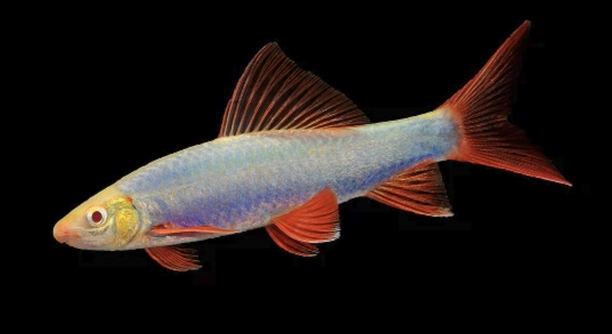
Is your rainbow shark acting aggressive toward other fish in your tank, leaving you feeling unsure about how to create peace?
The best way to help your rainbow shark coexist with other fish is by providing a large, well-decorated tank, choosing compatible tank mates, and monitoring territorial behavior carefully to reduce stress and conflict.
With the right setup and a few thoughtful choices, you can create a more peaceful and balanced aquarium environment for all your fish.
Choose the Right Tank Size
Rainbow sharks need space to feel secure and less territorial. A tank smaller than 55 gallons can make them feel trapped, which often leads to aggressive behavior. A larger tank gives them more room to swim and set up their own space, making it easier for them to tolerate other fish. Avoid overcrowding, and make sure there’s enough room for all species in the tank. When fish are forced to compete for limited space, stress increases and aggression is more likely. A well-sized tank supports healthier relationships among the fish and helps reduce unwanted conflict.
A spacious tank also allows for better water circulation, which keeps the environment healthier for all your aquatic pets.
Rainbow sharks prefer to stay near the bottom of the tank, so vertical space isn’t as important as horizontal room. Make sure there’s a wide footprint and lots of open swimming space to help calm territorial behavior.
Add Hiding Spots and Decorations
Providing plenty of hiding spots helps reduce stress and tension in community tanks.
Decorations, rocks, caves, and plants help create barriers and break up lines of sight in the tank. Rainbow sharks are known for claiming a specific area as their own, so giving them a space that feels private can help reduce aggression. When they have a clear home base, they are less likely to chase or harass tank mates. Using decorations to split up the tank helps each fish find their own comfort zone. Natural-looking decor also mimics the wild environment rainbow sharks are used to, which can help calm their behavior. Just make sure any items you add are safe for aquarium use and don’t restrict swimming space too much. Live or artificial plants can also provide gentle cover for smaller fish, giving them safe places to retreat if needed. A thoughtfully decorated tank can help improve overall balance and peace.
Pick Compatible Tank Mates
Avoid pairing rainbow sharks with slow, timid, or long-finned fish. These fish may be bullied or stressed by the shark’s territorial behavior. Choose active, mid-to-top-level swimmers that can hold their own and occupy different areas of the tank.
Fish like barbs, danios, rainbowfish, and some larger tetras are usually better choices because they’re fast and less likely to be targets. Avoid bottom-dwellers like corydoras or small loaches, since rainbow sharks often compete for the same space. Also, never house two rainbow sharks together unless you have a very large tank, as they tend to fight. Watching how your fish interact over time is important. Some fish that seem compatible at first may show signs of stress or conflict later. It’s helpful to keep a backup plan, like a divider or separate tank, just in case things don’t work out. Peaceful cohabitation takes the right mix and ongoing attention.
Rainbow sharks are more likely to tolerate tank mates if they were raised with them from a young age. Introducing all fish at the same time can help prevent one from becoming too territorial. Always observe behavior after adding new fish. If you notice constant chasing, torn fins, or hiding, consider rearranging decorations to reset territories or separating fish if needed. A peaceful tank takes time and a little trial and error.
Feed Them Properly and Consistently
Uneven feeding can cause stress and competition in the tank, especially with territorial fish like rainbow sharks. Keep a regular feeding schedule and make sure food reaches all levels of the tank.
Rainbow sharks are omnivores and need a balanced diet of plant-based flakes, sinking pellets, and occasional protein-rich treats like bloodworms or brine shrimp. Feeding them a variety helps keep them healthy and satisfied. Underfeeding or a poor diet can increase aggression and restlessness. Avoid overfeeding, as leftover food can harm water quality and lead to other problems. Use sinking pellets to make sure your rainbow shark gets its share, especially if other fish feed at the surface. Spread food out to reduce crowding during meals. Keep an eye on how much your shark eats—if it’s being pushed away or eating too much, you may need to adjust portions or timing. A calm feeding routine can improve tank harmony.
Keep Water Conditions Stable
Fluctuating water conditions can stress rainbow sharks, making them more aggressive. Keep temperature, pH, and ammonia levels consistent using regular testing and weekly water changes. Clean filters and avoid sudden changes that could upset the tank’s balance.
A stable environment helps all fish feel more secure and behave calmly.
Watch for Aggression Early
Pay attention to signs like chasing, nipping, or one fish always hiding. Early signs of aggression can often be managed with a tank rearrangement or a temporary divider. Don’t wait too long, or injuries and stress could become serious.
Avoid Overcrowding
Too many fish in one tank increases stress and reduces swimming space, making fights more likely. Rainbow sharks need room to claim territory, and overcrowding forces more interaction than they can handle. Aim for a calm, open tank with enough space for each species to move comfortably.
FAQ
How big should my tank be for a rainbow shark?
A minimum of 55 gallons is recommended for one rainbow shark to reduce territorial behavior. Larger tanks provide more swimming space and help keep peace among fish. If you want to keep multiple rainbow sharks, a tank over 100 gallons is necessary, but even then, aggression can occur.
Can rainbow sharks live with goldfish?
Rainbow sharks and goldfish usually don’t mix well. Goldfish prefer cooler water, while rainbow sharks need warmer tropical temperatures. Their different care needs and behaviors make them a poor match, often leading to stress or aggression in the tank.
What should I feed my rainbow shark?
Rainbow sharks eat a mix of sinking pellets, flakes, and occasional protein treats like bloodworms or brine shrimp. They also benefit from some plant matter. Feeding a varied diet keeps them healthy and less aggressive from hunger or boredom.
Why is my rainbow shark chasing other fish?
Chasing is often due to territorial instincts or stress. If the tank is too small or lacks hiding places, your shark may feel threatened and act out. Providing more space and decorations usually helps reduce this behavior.
Is it okay to keep two rainbow sharks together?
Generally, no. Rainbow sharks are territorial and may fight if housed together unless the tank is very large and heavily decorated. If you try it, watch for signs of aggression and be ready to separate them.
How often should I do water changes?
Weekly water changes of 20-30% help maintain clean, stable conditions. Clean water reduces stress and aggression in rainbow sharks and other fish. Regular testing is important to monitor ammonia, nitrites, and pH levels.
Can rainbow sharks live with small schooling fish?
Yes, many small schooling fish like tetras, danios, or barbs can coexist with rainbow sharks. Their quick movements and preference for different tank areas help them avoid conflicts.
What signs show my rainbow shark is stressed?
Signs include hiding more than usual, loss of color, erratic swimming, or refusing food. Stress often comes from poor water quality, overcrowding, or aggressive tank mates.
How can I reduce aggression in my tank?
Provide enough space, hiding spots, and compatible tank mates. Feed properly and keep water stable. Rearranging tank decor can help reset territorial boundaries and calm aggressive fish.
Are live plants good for rainbow shark tanks?
Yes, live plants offer hiding spots and improve water quality. Choose hardy plants that tolerate the shark’s activity, like Java fern or Anubias. Avoid fragile plants that may get damaged.
When keeping a rainbow shark in a community tank, it’s important to focus on creating a balanced environment. This fish has strong territorial instincts and needs enough space to swim freely without feeling crowded. Choosing a tank size of at least 55 gallons helps reduce aggression and gives all fish room to establish their own spots. Adding decorations and hiding places breaks up the tank and lets the rainbow shark claim a comfortable territory without disturbing others. These steps help make life easier for both the shark and its tank mates.
Feeding your rainbow shark properly also plays a big role in keeping peace. Providing a balanced diet that includes sinking pellets, flakes, and occasional protein treats keeps the fish healthy and less likely to act out due to hunger or stress. It is best to feed regularly and spread the food around so the rainbow shark doesn’t have to compete too much with other fish. Overfeeding should be avoided, as leftover food can pollute the tank and cause health problems. A stable feeding routine creates less tension during mealtime and helps maintain a calm tank environment.
Monitoring water conditions is equally important. Rainbow sharks thrive in stable water with consistent temperature, pH, and clean filters. Sudden changes in water quality can stress the fish and trigger more aggressive behavior. Regular water testing and weekly water changes help keep the tank healthy and comfortable for all the fish. Watching your rainbow shark’s behavior closely will help you catch early signs of stress or conflict, allowing you to adjust the setup or separate fish if needed. With careful care and attention, your rainbow shark can coexist peacefully with other fish and become a beautiful addition to your aquarium.

Hello,
If you enjoy the content that we create, please consider saying a "Thank You!" by leaving a tip.
Every little bit helps us continue crafting quality advice that supports the health, happiness, and well-being of pets around the world, for pets of all shapes, sizes, and species.
We really appreciate the kindness and support that you show us!