
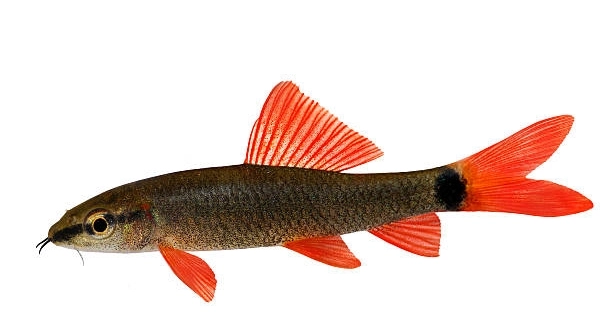
Are you trying to improve your rainbow shark’s eating habits but aren’t sure where to start or what food is best?
The best way to help your rainbow shark build a healthy diet is by offering a variety of high-quality, species-appropriate foods. A balanced mix of pellets, vegetables, and protein ensures they get essential nutrients.
From food types to feeding habits, small changes can make a big difference in your rainbow shark’s overall health and behavior.
Choose High-Quality Pellets
Pellets should make up the main part of your rainbow shark’s diet. Look for pellets made specifically for bottom-feeding freshwater fish. These usually contain a mix of plant matter, protein, and added vitamins to support their health. Avoid generic fish food, which often lacks the proper balance of nutrients. Rainbow sharks need a mix of animal and plant-based ingredients, and high-quality pellets are designed with this in mind. Feed small amounts once or twice a day, and remove any uneaten food after 10 minutes to keep the water clean. Overfeeding can lead to poor water quality, which impacts your fish’s health. Always check the label and aim for pellets with a good balance of protein (around 30-40%), some vegetable matter, and added supplements.
Pellets should sink quickly, as rainbow sharks feed near the bottom of the tank. This helps ensure they get enough food without too much competition.
Choose pellets with varied ingredients like spirulina, fish meal, and wheat germ. These offer essential nutrients that promote healthy coloring, energy, and digestion. A varied pellet mix also keeps feeding time more interesting for your rainbow shark. Switching brands occasionally may help broaden their intake, as long as the food quality remains high.
Add Fresh Vegetables
Offer vegetables two to three times a week in small, bite-sized amounts. This helps support digestion and adds fiber to their diet.
Blanched vegetables like zucchini, spinach, and peas are safe for rainbow sharks. Before feeding, wash vegetables thoroughly and cut them into small pieces. Blanching—briefly boiling and then cooling—softens the vegetables, making them easier to eat and digest. Once prepared, place the vegetable pieces near the bottom of the tank where your rainbow shark usually feeds. Remove any leftovers after a few hours to prevent water quality issues.
Try rotating between different vegetables to avoid boredom and ensure your fish gets a range of nutrients. Some rainbow sharks prefer certain veggies over others, so test small amounts first and observe which ones they go for. Avoid starchy vegetables like potatoes and anything seasoned or oily. Feeding veggies this way not only supports digestive health but also encourages natural grazing behavior. Keep portions small to avoid overfeeding.
Offer Protein-Rich Foods Occasionally
Rainbow sharks also need protein from natural sources like bloodworms, brine shrimp, or daphnia. These foods support their energy levels and help maintain muscle tone when offered once or twice a week. Use frozen or freeze-dried versions for safety.
Protein should only be a small part of their diet. While pellets often contain some protein, offering additional sources gives your rainbow shark a nutrient boost. Feed small amounts and watch how they respond. Too much protein can lead to digestive issues or increased aggression. Stick to once or twice weekly feedings and always thaw frozen foods before offering them. Avoid live foods, as they may carry bacteria or parasites that can make your fish sick. Choose trusted brands and check expiration dates. Keep the portions small to avoid cloudy water and bloating. Protein is important, but it should never replace their main diet of pellets and vegetables.
Frozen bloodworms and brine shrimp are usually well accepted and easy to portion. They provide enrichment and stimulate natural hunting behaviors. Feed only what your rainbow shark can finish within a few minutes. It’s better to underfeed than to overfeed when using protein sources. Rotate between options to avoid overdependence on one type. Store unused portions properly to keep them fresh.
Maintain a Consistent Feeding Schedule
Feeding your rainbow shark at the same time each day supports healthy digestion and reduces stress. Stick to one or two feeding times daily, depending on your schedule and how active your fish is.
Feeding too often can cause overeating and poor water quality, while inconsistent feeding can confuse your fish and disrupt their behavior. Try feeding once in the morning and once in the evening if possible. If you only feed once, make sure the portion is appropriate. Watch for signs of overfeeding like leftover food or sluggish swimming. Keeping a feeding log or setting phone reminders can help you stay on track. Consistent timing also allows your rainbow shark to settle into a daily rhythm, which can make them feel more secure and responsive. Routine feedings paired with good water conditions can lead to a healthier, more active fish. Keep meals small and focused on quality, not quantity.
Avoid Overfeeding
Too much food can lead to cloudy water and stress your rainbow shark. Overfeeding often causes uneaten food to sink and break down, which affects water quality and can lead to health issues.
Stick to small portions and watch how quickly your fish eats. If food remains after a few minutes, reduce the amount next time.
Use Feeding Tools if Needed
Feeding tools like tongs or feeding rings can help direct food to the bottom of the tank, especially in community tanks where surface feeders compete for food. This makes sure your rainbow shark gets its share.
Feeding rings keep pellets and vegetables in one spot, which prevents food from drifting away. This is helpful if your rainbow shark is shy or tends to miss scattered food. Sinking pellets and tools can also reduce food waste and keep the tank cleaner. Some rainbow sharks prefer privacy during feeding, so placing food near their usual hiding spots may help. Feeding tools are optional but can make mealtime more controlled and less chaotic, especially in shared tanks.
Observe Their Behavior After Eating
Watch for signs like slow swimming, hiding, or ignoring food. These may point to stress or digestive issues. Regular behavior checks can help catch problems early.
FAQ
How often should I feed my rainbow shark?
Feeding your rainbow shark once or twice daily is enough. Give small portions that they can finish in about five minutes. Overfeeding can harm water quality and cause health problems. Watch your fish’s appetite and adjust portions accordingly.
What are the best vegetables for rainbow sharks?
Blanched zucchini, spinach, and peas are good choices. These vegetables are soft and easy to digest. Avoid starchy or oily vegetables. Offer veggies two to three times a week to support digestion and provide fiber.
Can rainbow sharks eat flakes instead of pellets?
Pellets are better because they sink and have the right balance of nutrients. Flakes tend to float and may not be eaten by bottom feeders like rainbow sharks. If using flakes, make sure they are high quality and suitable for omnivorous fish.
Is live food safe for rainbow sharks?
Live food carries a risk of bacteria or parasites, which can make your fish sick. It’s safer to use frozen or freeze-dried options like bloodworms or brine shrimp. Always buy from trusted sources and avoid wild-caught live food.
What should I do if my rainbow shark refuses to eat?
Check water conditions first—poor water quality or stress can cause loss of appetite. Try offering different foods like pellets or fresh vegetables. Sometimes a new food or feeding method can encourage eating. If the problem lasts more than a few days, consult a vet or experienced aquarist.
Can rainbow sharks eat fruits?
Fruits are not recommended. They contain sugars that fish don’t digest well and can pollute the water. Stick to vegetables and protein-rich foods that meet their nutritional needs.
How can I tell if my rainbow shark is getting enough nutrients?
Healthy rainbow sharks are active, have bright colors, and clear eyes. Their bodies should look full but not bloated. Regular feeding, balanced diet, and good water quality help maintain these signs. If your fish looks thin, lethargic, or discolored, adjust the diet or check water parameters.
Should I soak pellets before feeding?
Soaking pellets briefly can help prevent swim bladder issues and improve digestion. It also softens the food, making it easier for your fish to eat. Use clean tank water to soak for a minute or two before feeding.
Can I feed my rainbow shark with my hands?
Rainbow sharks are shy and may not take food directly from your hand. Use feeding tools or place food near their hiding spots to encourage natural feeding behavior. Hand feeding is not usually recommended.
What types of protein are best for rainbow sharks?
Frozen or freeze-dried bloodworms, brine shrimp, and daphnia are good protein sources. Offer them once or twice a week in small amounts. Avoid too much protein to prevent digestive upset and maintain balance with vegetables and pellets.
How do I introduce new foods to my rainbow shark?
Introduce new foods gradually alongside their usual diet. Start with small amounts and observe their response. Mixing new food with familiar pellets can help acceptance. Patience is key—some fish take time to try new things.
Is it okay to feed rainbow sharks commercial sinking wafers?
Sinking wafers can be a good supplement if they are designed for bottom feeders. Make sure they contain balanced nutrients and are free of fillers. Use them in moderation and as part of a varied diet.
What happens if I feed my rainbow shark only pellets?
Feeding only pellets may not provide enough variety or fiber, which can lead to digestive problems. Adding vegetables and occasional protein sources improves health and mimics their natural diet better. Variety is important for long-term wellbeing.
How important is water quality in relation to diet?
Water quality directly affects digestion and nutrient absorption. Poor water can stress your fish and reduce appetite. Regular tank maintenance and monitoring parameters like ammonia, nitrites, and pH are essential alongside proper feeding.
Can rainbow sharks eat algae wafers?
Algae wafers can be offered occasionally, but rainbow sharks are not strict algae eaters. Use them as a treat rather than a staple food. They do enjoy some plant matter, but algae wafers should not replace fresh vegetables.
How do I store rainbow shark food?
Keep food in a cool, dry place, sealed tightly to avoid moisture and contamination. Frozen and freeze-dried foods should be stored according to package instructions. Proper storage keeps nutrients intact and prevents spoilage.
Taking good care of your rainbow shark’s diet is important for its overall health and happiness. Providing a balanced mix of high-quality pellets, fresh vegetables, and occasional protein helps ensure your fish gets the nutrients it needs. Each part of the diet plays a key role: pellets provide the basics, vegetables add fiber and vitamins, and protein supports energy and growth. Feeding the right amounts at regular times also helps maintain good water quality, which is essential for your fish’s well-being.
Consistency is a big part of keeping your rainbow shark healthy. Feeding on a set schedule and avoiding overfeeding prevent many common problems. Small portions, given once or twice daily, reduce waste and keep the tank cleaner. Using tools to direct food to the bottom can make feeding easier, especially in tanks with other fish. Watching your rainbow shark’s behavior after meals will help you notice any changes in appetite or health early on. If your fish seems stressed or refuses to eat, checking water quality and diet variety is a good first step.
Remember that variety is key for a balanced diet. Offering different vegetables and protein sources keeps your rainbow shark interested and helps provide all necessary nutrients. Avoid feeding too much protein or unhealthy foods like fruit or oily treats. Keeping foods fresh and properly stored also preserves their nutritional value. With simple care and attention to diet, your rainbow shark can live a long, healthy life in your tank. A healthy diet is one of the best ways to enjoy watching your rainbow shark thrive.

Hello,
If you enjoy the content that we create, please consider saying a "Thank You!" by leaving a tip.
Every little bit helps us continue crafting quality advice that supports the health, happiness, and well-being of pets around the world, for pets of all shapes, sizes, and species.
We really appreciate the kindness and support that you show us!