
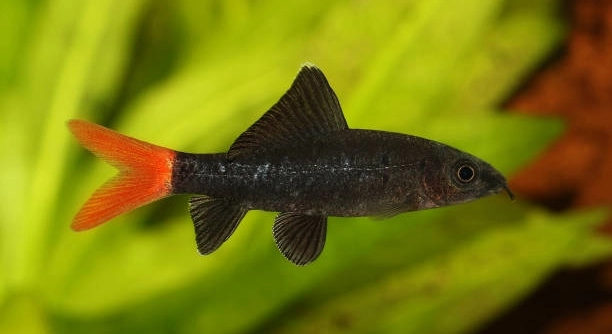
Introducing a new fish to your tank can be challenging, especially when your rainbow shark needs to adjust to its new tankmates. Ensuring a smooth transition helps reduce stress and promotes harmony in the aquarium. Careful planning is key to success.
Helping a rainbow shark adapt to new tankmates requires gradual introductions, proper tank size, hiding spaces, compatible species, balanced feeding, water quality maintenance, and careful observation to minimize aggression and stress for all fish involved.
Understanding these simple steps can improve your tank’s environment and keep your rainbow shark happy and healthy with its new companions.
Gradual Introductions Matter
Introducing your rainbow shark to new tankmates slowly is essential. Sudden changes can cause stress and aggression, which harm both the shark and other fish. Start by keeping the new fish in a separate quarantine tank for at least two weeks. This helps monitor their health and avoid spreading disease. After quarantine, place the new fish in a tank divider inside the main aquarium. This lets the rainbow shark see the newcomers without direct contact. Watch their behavior closely. If the shark stays calm, you can gradually remove the divider over several days. This slow introduction gives all fish time to get used to each other’s presence. A rushed introduction can result in fights, injuries, or long-term stress that affects fish health. Taking your time with this step ensures a better chance of peaceful coexistence.
Patience during this process reduces stress and helps maintain balance in your aquarium.
Many fish, including rainbow sharks, are territorial. Gradual introductions prevent immediate confrontations. Creating visual barriers and giving the fish space allows them to learn each other’s boundaries. Over time, they can adjust to sharing their environment. It also helps you identify any aggressive behavior early on. If fighting occurs, you can separate the fish before serious harm happens. This method keeps the tank healthier and more peaceful.
Provide Hiding Spaces and Proper Tank Size
Hiding spots help your rainbow shark feel secure and reduce aggression. Without places to retreat, fish may become stressed and defensive. Adding decorations like caves, plants, or rocks creates safe zones. These spaces allow fish to escape if needed and avoid constant confrontation. Larger tanks also reduce stress by giving fish more room to claim their territory without bumping into others often. A tank size of at least 30 gallons is recommended for a rainbow shark with tankmates. Overcrowding increases competition and aggression, making adaptation difficult.
Creating a comfortable environment supports better behavior and less stress overall.
When your tank provides enough space and hiding places, fish can coexist more peacefully. Rainbow sharks are active and need room to swim freely. Hiding spots help shy or smaller fish avoid conflict, balancing the tank’s social dynamics. It’s important to arrange decorations thoughtfully to prevent dead zones where water flow and oxygen levels drop. Plants should be sturdy and well-rooted to withstand the shark’s activity. Regularly cleaning and rearranging the tank keeps the environment fresh and prevents any one fish from becoming too dominant. Ensuring enough room and security allows your rainbow shark and its tankmates to thrive together with less stress and fewer fights.
Choose Compatible Tankmates
Rainbow sharks can be aggressive, so picking compatible tankmates is crucial. Avoid slow-moving or long-finned fish that may be targeted. Good companions are fast swimmers or bottom dwellers that can hold their own without being aggressive.
Suitable tankmates include danios, barbs, and larger tetras. Avoid small, delicate species like guppies or bettas. These fish tend to stress easily and may be bullied by the rainbow shark. Consider the temperament and size of each fish before adding them to the tank. Compatibility reduces fighting and promotes a peaceful aquarium environment.
It is important to watch how your fish interact after introducing new tankmates. Even compatible species can sometimes show unexpected aggression. Be ready to separate fish if tensions rise. Proper research on each species’ needs and behaviors helps create a balanced tank. This preparation protects your rainbow shark and its new companions from harm and stress.
Maintain Balanced Feeding
Feeding your rainbow shark and its tankmates properly helps avoid competition and aggression. Offer high-quality pellets or flakes designed for omnivorous fish. Supplement with occasional live or frozen foods like bloodworms or brine shrimp for variety.
Feed small amounts twice a day rather than one large feeding. This prevents leftover food from fouling the water and reduces fights over food. Make sure food reaches bottom feeders like the rainbow shark, which may miss surface feeding. Using sinking pellets ensures they get enough nutrition.
Monitor feeding behavior closely. If certain fish dominate meals, try feeding in multiple spots or separate feedings to ensure all fish get enough. Well-fed fish are calmer and less likely to show territorial behavior. Keeping feeding balanced supports the health and harmony of the entire tank community.
Monitor Water Quality Closely
Water quality directly affects your rainbow shark’s health and behavior. Keep ammonia, nitrite, and nitrate levels in check with regular testing. Poor water conditions increase stress and aggression in fish.
Perform partial water changes weekly to maintain clean water. Good filtration is also essential to keep the environment stable and safe for all tank inhabitants.
Observe Behavior Daily
Watching your fish every day helps catch problems early. Look for signs of stress or aggression, such as chasing, hiding, or damaged fins. Early detection allows timely action before issues worsen.
Regular observation keeps the tank peaceful and supports the wellbeing of your rainbow shark and its tankmates.
Maintain Stable Temperature
Rainbow sharks thrive in water temperatures between 74°F and 80°F. Avoid sudden changes, as this can stress the fish and provoke aggression. Use a reliable heater and thermometer to keep the temperature steady.
Avoid Overcrowding
Too many fish in one tank increases stress and fights. Keep the tank population balanced for a calm environment where your rainbow shark can feel secure.
What tank size is best for a rainbow shark with tankmates?
A tank of at least 30 gallons is recommended for a rainbow shark living with other fish. Rainbow sharks are active swimmers and need enough space to establish territories without constant conflict. Larger tanks reduce stress and give all fish room to move freely, helping them coexist peacefully.
How can I tell if my rainbow shark is stressed by new tankmates?
Signs of stress include hiding more than usual, loss of appetite, frayed fins, or unusual aggression. If your rainbow shark chases other fish excessively or appears lethargic, these may also indicate stress. Observing behavior changes early allows you to intervene before problems worsen.
Are there specific fish that should never be housed with a rainbow shark?
Yes, slow-moving, long-finned fish like bettas or guppies should be avoided. Rainbow sharks might nip at their fins, causing injury. Very small or delicate fish can also become targets. Stick to fast swimmers or bottom dwellers of similar size to reduce conflict.
How do I introduce new fish to the tank with a rainbow shark?
Quarantine new fish for at least two weeks before introduction to ensure they are healthy. Use a tank divider initially so the rainbow shark can see the new fish without physical contact. Slowly remove the divider over several days, watching for aggression during this period.
What role do hiding spots play in helping a rainbow shark adapt?
Hiding places reduce stress by offering safe retreats for both the rainbow shark and other fish. When fish have areas to escape, they feel more secure and show less aggression. Adding caves, plants, and rocks encourages peaceful coexistence and gives fish control over their environment.
How often should I feed my rainbow shark and tankmates?
Feed small amounts two times a day rather than one large feeding. This prevents leftover food from polluting the water and reduces competition during mealtime. Use sinking pellets to make sure your rainbow shark, a bottom feeder, gets enough nutrition.
What should I do if aggression between fish continues after introductions?
If fighting persists, separate the aggressive fish immediately to prevent injury. Consider rearranging tank decorations to disrupt established territories. In some cases, you may need to find new homes for incompatible fish. Prioritizing the health and safety of all tank inhabitants is essential.
How important is water quality in maintaining peace in the tank?
Water quality is critical. Poor water conditions cause stress, which leads to aggression. Test ammonia, nitrite, and nitrate levels regularly, and perform weekly partial water changes. A well-maintained filtration system keeps the environment stable, promoting calm and healthy fish.
Can overcrowding cause problems for my rainbow shark?
Yes, overcrowding raises stress levels and increases territorial disputes. Ensure your tank is large enough for all fish, and avoid adding too many fish at once. Keeping a balanced number of fish creates a peaceful environment where the rainbow shark and others can thrive.
What temperature is ideal for a rainbow shark and its tankmates?
Maintain water temperature between 74°F and 80°F. Avoid rapid temperature changes, as these can stress fish and increase aggression. Using a reliable heater and thermometer helps keep conditions stable, supporting your rainbow shark’s health and comfort.
When you add new fish to your tank with a rainbow shark, it takes time and care to make sure they all get along. Rainbow sharks can be territorial, so helping them adjust to new tankmates is important for a peaceful aquarium. Using gradual introductions, providing hiding places, and choosing the right tank size all help reduce stress. These steps create a better environment for your fish to live together without fighting.
Keeping water quality stable and feeding your fish properly also plays a big role in their well-being. Clean water keeps fish healthy and calm, while balanced feeding prevents competition over food. Observing your fish’s behavior regularly helps you spot problems early. If you notice signs of stress or aggression, acting quickly can prevent injuries and keep your tank peaceful. Every fish has different needs, so learning about each species helps you make good choices for your aquarium.
Ultimately, patience is key when introducing new tankmates to a rainbow shark. Changes don’t happen overnight, but with careful planning and attention, your fish can adapt well. Providing enough space, hiding spots, and suitable companions will reduce conflict and create a calm, happy tank. When your rainbow shark and its tankmates are comfortable, you will enjoy a lively and healthy aquarium that looks great and brings joy.

Hello,
If you enjoy the content that we create, please consider saying a "Thank You!" by leaving a tip.
Every little bit helps us continue crafting quality advice that supports the health, happiness, and well-being of pets around the world, for pets of all shapes, sizes, and species.
We really appreciate the kindness and support that you show us!