
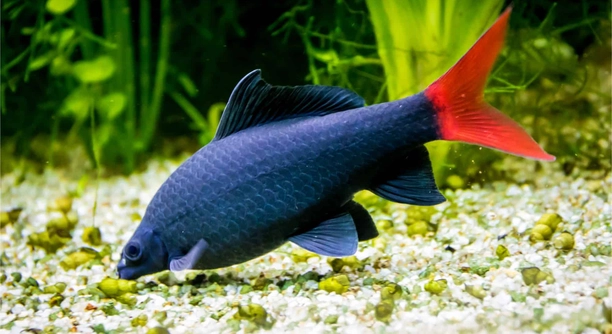
Have you recently brought home a rainbow shark and noticed it acting a bit shy or unsettled in its new environment?
Helping your rainbow shark adapt to a new home involves creating a calm, structured environment with plenty of hiding spots, stable water conditions, and minimal stress. Consistent care, proper tank mates, and gradual adjustments are essential for successful acclimation.
These practical steps will support your fish’s transition and help it grow confident in its surroundings while maintaining a healthy, balanced aquarium.
Set Up the Right Tank Environment
A rainbow shark needs a proper tank setup to feel safe and comfortable. A tank that is too small or lacks hiding spots can lead to stress and aggression. Start with a minimum of 55 gallons, even if you’re housing just one fish. Provide caves, plants, and decorations to create hiding spaces and break the line of sight. This helps reduce territorial behavior. Use a tight-fitting lid, as rainbow sharks may jump if startled. Ensure the water temperature stays between 75–81°F with a pH level around 6.5–7.5. Keep the lighting soft and consistent. Use a gentle filter with good circulation but avoid strong currents. A quiet tank setup helps your fish settle in faster. Rainbow sharks like to explore, so keep the environment interesting without cluttering the space. Give them time to claim a territory and become familiar with their surroundings. Avoid sudden changes to prevent unnecessary stress.
Give your rainbow shark some time to adjust to the new tank before introducing any other fish or major changes.
Maintaining a clean, quiet, and well-balanced tank helps support healthy behavior. A stable setup gives your fish the chance to grow more confident and act naturally without feeling threatened. Regular care also keeps the water quality in check.
Choose Compatible Tank Mates
Rainbow sharks can be territorial, especially in smaller tanks or when kept with similar-looking fish.
To reduce tension, select tank mates that are quick, peaceful, and occupy different areas of the tank. Avoid slow-moving or bottom-dwelling fish, as rainbow sharks often patrol the lower zones and may chase those that intrude. Good options include barbs, rasboras, danios, and gouramis. These fish swim mostly in the middle or upper parts of the tank, limiting direct contact. Never house rainbow sharks with other rainbow sharks or similar species like red-tailed sharks, as they often fight. Give your rainbow shark time to settle before introducing new tank mates. Always monitor interactions for signs of stress or aggression, especially during feeding times. Use dividers or separate tanks if needed. If aggression continues, reassess your tank size, layout, or choice of companions. Adding hiding spots and plants also gives fish space to escape and helps reduce tension. Proper planning leads to better long-term harmony.
Monitor Behavior Closely
Watch for changes in how your rainbow shark behaves during its first few weeks. Signs of stress include hiding more than usual, refusing food, or acting overly aggressive toward other fish.
If your rainbow shark is staying in one corner, hiding constantly, or darting around the tank, it may still be adjusting. Limit loud noises and avoid tapping on the glass. Reduce bright lighting and give it space without interference. If it continues refusing food, try offering live or frozen options like bloodworms to stimulate appetite. Be patient, and resist the urge to rearrange the tank too often during this time. Stability is important. Keep a consistent feeding schedule, and remove uneaten food to maintain water quality. As your rainbow shark becomes more confident, you’ll notice it exploring the tank and establishing a preferred area. These are signs that it’s adapting and starting to feel more secure.
Aggressive behavior can also appear if the tank is too small or overcrowded. Monitor how your rainbow shark interacts with others and look for fin nipping or chasing. If aggression becomes a pattern, consider whether tank mates are suitable or if rearranging the layout may help. Creating clear boundaries and escape zones often reduces unwanted tension between species.
Maintain Stable Water Conditions
Water quality plays a major role in helping your rainbow shark adjust. Sudden changes in temperature, pH, or ammonia levels can cause stress and illness. Always test water regularly and keep all parameters within a stable range.
Stick to a consistent cleaning schedule without making dramatic changes all at once. Do weekly partial water changes of around 25%, and use a gravel vacuum to remove waste. Avoid cleaning all filter media at the same time, since that can eliminate beneficial bacteria. Test your tank’s ammonia, nitrite, and nitrate levels weekly, and adjust as needed. Use a water conditioner during changes to neutralize chlorine and heavy metals. Make sure your heater is reliable and calibrated properly, as temperature fluctuations can be harmful. Stability is more important than perfection when it comes to water conditions. A calm and balanced tank allows your rainbow shark to stay healthy and feel more at ease in its surroundings.
Avoid Overfeeding
Feeding too much can affect water quality and make your rainbow shark feel stressed. Stick to small portions once or twice a day and remove leftovers right away. A balanced feeding schedule supports digestion and keeps the tank clean.
Use high-quality sinking pellets as a staple, and offer occasional treats like bloodworms or brine shrimp. Avoid giving too many protein-rich foods in one feeding.
Keep Handling to a Minimum
Netting or moving your rainbow shark too often can delay its adjustment. These fish prefer minimal disturbance, especially during their early days in a new tank. Only handle them when absolutely necessary, such as during health checks or water changes. Use a soft net and gentle approach if handling is unavoidable.
Use Lighting Carefully
Bright lights can startle a rainbow shark and make it hide more often. Keep lighting soft and use a timer to maintain a consistent day-night cycle.
FAQ
How long does it take a rainbow shark to adjust to a new tank?
Most rainbow sharks take about one to two weeks to adjust to a new environment. During this time, they may hide more often or seem less active. Each fish is different, so adjustment can vary depending on tank conditions, stress levels, and other fish in the tank. A quiet, clean, and stable setup helps speed up the process. Avoid making changes during this time so your fish can get used to its surroundings. You may see improvement within a few days, but full comfort and routine may take longer.
Can rainbow sharks live with other bottom-dwelling fish?
It’s best to avoid housing rainbow sharks with other bottom-dwellers like loaches or catfish. Since rainbow sharks prefer the lower zones of the tank, they may see similar fish as a threat. This can lead to chasing or aggressive behavior. If you do add other bottom-dwellers, make sure the tank is large and includes plenty of hiding places to reduce direct contact. Watch for signs of stress or fighting. In most cases, it’s safer to choose fish that stay in the middle or upper sections of the tank.
Why is my rainbow shark hiding all the time?
Constant hiding is common when a rainbow shark is first introduced to a new home. It may be adjusting to new water conditions or feeling unsure about its environment. Check that the tank has enough caves or hiding spots and that the lighting is not too harsh. Also, look at tank mate behavior—if the other fish are too active or aggressive, your shark may hide to avoid them. Give it time and maintain a stable routine. Most rainbow sharks start to come out more once they feel secure.
What do rainbow sharks like to eat?
Rainbow sharks do well on a varied diet. Sinking pellets or wafers designed for bottom feeders are ideal for daily feeding. You can also offer frozen or live foods like bloodworms, brine shrimp, and daphnia for variety. Blanched vegetables such as zucchini or spinach can be added occasionally. Avoid overfeeding, as uneaten food can pollute the water. Feed small amounts once or twice daily and monitor their behavior. A balanced diet supports their color, health, and overall activity level.
Why is my rainbow shark chasing other fish?
Chasing behavior often happens when the tank is too small or there aren’t enough hiding spots. Rainbow sharks are territorial and may chase other fish that enter their preferred zone. Tank mates that look similar or swim near the bottom may trigger this behavior more often. Try rearranging the tank to break up lines of sight or adding more plants and decorations. If aggression continues, you may need to separate the fish. A larger tank and proper planning can help reduce this problem from the start.
Do rainbow sharks need a filter in their tank?
Yes, a filter is necessary. Rainbow sharks produce waste like any other fish, and a good filtration system helps maintain water quality. Choose a filter that offers mechanical, biological, and chemical filtration. Avoid models that create strong currents, as rainbow sharks prefer moderate flow. Clean the filter media regularly but not all at once, so beneficial bacteria are preserved. Consistent filtration reduces ammonia and nitrate levels and supports overall fish health. A reliable filter keeps the tank clean and your fish less stressed.
Can I keep more than one rainbow shark in the same tank?
It’s not recommended to keep multiple rainbow sharks together, especially in small or medium tanks. They are highly territorial and will often fight, sometimes causing serious injuries. If you want to try keeping more than one, you’ll need a very large tank—at least 125 gallons—with plenty of hiding places and broken lines of sight. Even then, it may not work. It’s generally safer and easier to keep just one rainbow shark per tank to prevent aggressive behavior and stress.
Why is my rainbow shark not eating?
A new environment can cause a rainbow shark to lose its appetite temporarily. Stress from moving, tank mates, or poor water quality may be to blame. Check water parameters and ensure there are no signs of illness. Try feeding at the same time daily and offer high-quality food options. If your shark still refuses food after several days, try live or frozen foods like brine shrimp to stimulate interest. Most rainbow sharks will start eating again once they feel secure and the environment is stable.
Final Thoughts
Helping your rainbow shark adjust to a new home takes time, patience, and a well-planned setup. These fish are known for their territorial nature and strong personalities, so creating a calm and stable environment is important. Start with a large enough tank, add plenty of hiding spaces, and choose tank mates carefully. Avoid overcrowding and always make sure the water conditions remain consistent. Even small changes in temperature, pH, or water quality can cause stress. Feeding your rainbow shark a balanced diet and giving it space to adapt will help it feel more comfortable and confident in its new surroundings.
It’s common for rainbow sharks to hide or act unsure during the first few weeks. This behavior is normal and usually improves as they become more familiar with the tank. Try not to interfere too much during this time. Loud noises, bright lighting, and constant rearranging can make the adjustment harder. Instead, keep routines simple and steady. Watch their behavior closely but allow them time to explore and settle in at their own pace. If aggression appears, check the tank layout and consider whether any changes are needed to reduce stress. A peaceful setup supports better long-term behavior and overall health.
Caring for a rainbow shark is rewarding when done properly. These fish are active, unique, and can live for many years in the right environment. While they may not always be the easiest species to manage, their behavior becomes more predictable with consistent care. Providing them with space, stability, and low-stress surroundings makes a big difference. Each adjustment you make—whether it’s adding a new hiding spot or checking water parameters—helps build a safer and more comfortable space for your fish. With time, your rainbow shark will become more active, eat regularly, and explore its territory with confidence. Proper care now leads to a healthy and stable aquarium in the future.

Hello,
If you enjoy the content that we create, please consider saying a "Thank You!" by leaving a tip.
Every little bit helps us continue crafting quality advice that supports the health, happiness, and well-being of pets around the world, for pets of all shapes, sizes, and species.
We really appreciate the kindness and support that you show us!