
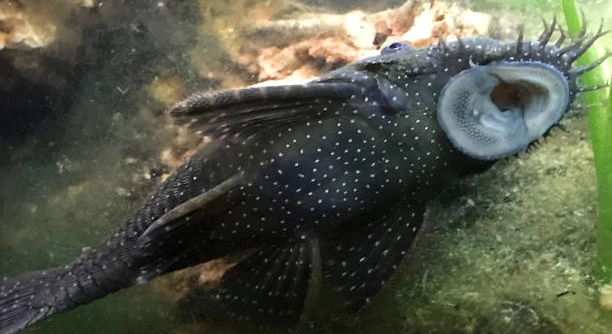
Is your pleco hiding more than usual, refusing food, or showing faded colors after a recent change in its tank environment? These signs may point to stress, which can affect your pleco’s health and behavior if not addressed.
Helping your pleco recover from stress involves improving water quality, reducing environmental triggers, providing proper nutrition, and ensuring it has enough hiding spots. These steps create a stable, low-stress environment that supports recovery and prevents future stress-related health problems.
Simple changes to your pleco’s tank setup and care routine can make a lasting difference in its recovery and overall well-being.
Improve Water Quality Immediately
Water quality is one of the most important factors in reducing stress for plecos. Poor conditions can lead to low oxygen, ammonia spikes, and harmful bacteria. Begin by testing the water parameters, including ammonia, nitrite, nitrate, pH, and temperature. Perform a partial water change if levels are off. Use a high-quality water conditioner and make sure your tank’s filtration system is working efficiently. A clean, stable tank helps reduce environmental pressure and supports your pleco’s immune system. Keep the tank well-aerated, and consider adding a sponge filter for extra biological filtration. Avoid overfeeding during this time, as excess food can raise waste levels. Consistency is key—monitor the tank regularly and maintain a routine cleaning schedule. Even small improvements in water quality can lead to noticeable changes in your pleco’s behavior, helping it feel more at ease and responsive.
Stable and clean water conditions give your pleco a stronger chance of recovering without added complications.
Maintaining ideal parameters not only supports recovery but also prevents further stress from developing. Sudden changes in temperature or chemical composition can worsen symptoms. Keep water changes gradual, and avoid overcorrecting imbalances too quickly. This gentle, steady care helps your pleco settle into a safe environment again.
Reduce Tank Stressors
Limit noise, movement, and bright lighting around your pleco’s tank. A calm space helps lower its stress levels and supports healing.
Loud sounds, constant vibrations, or sudden changes in lighting can cause stress in plecos, especially when they’re already unwell. Try placing the tank in a quiet area of your home, away from frequent traffic or loud electronics. Keep lighting low or add floating plants to reduce brightness. Avoid tapping on the glass or rearranging the décor too often. Keep other tank mates peaceful and compatible—aggressive or overly active fish can increase anxiety. Adding a background to the tank can also reduce reflections and give your pleco a greater sense of security. Be sure to give it time to adjust after any change. Stability is important during recovery. Once your pleco feels safe and undisturbed, it will become more active, eat better, and begin showing healthier colors again. Creating a calm tank space is one of the easiest ways to support healing.
Offer Plenty of Hiding Spots
Plecos feel safer when they have dark, enclosed areas to hide in. Lack of cover can make them feel exposed and vulnerable, which increases stress. Adding caves, driftwood, or dense plants gives them spaces to retreat and relax.
Choose hiding spots that match your pleco’s size. Ceramic caves, PVC tubes, or large pieces of driftwood work well. Position these in quieter areas of the tank, away from strong currents or bright lights. Make sure there are multiple options so your pleco doesn’t feel trapped. These spaces help regulate stress by allowing your fish to control its environment. Hiding is natural behavior, especially when plecos are not feeling well. Providing shelter reduces anxiety and encourages your pleco to rest, eat, and recover without fear of threats. A secure hiding area helps your pleco feel in control, which supports better health and behavior over time.
If you have more than one pleco or other bottom-dwellers, provide separate hiding places to prevent competition. Even peaceful fish may become territorial when stressed or sick. Ensure each shelter has only one entrance and avoid clear materials—plecos prefer darkness and seclusion. Regularly check and clean these spaces to prevent buildup of uneaten food or waste inside them.
Feed a Proper, Balanced Diet
Feeding your pleco the right diet is important for its recovery. Stress can lower appetite, so focus on offering foods that are both nutritious and easy to digest.
Use a variety of sinking foods like algae wafers, blanched vegetables, and protein-rich options such as shrimp pellets. This balance supports both herbivorous and omnivorous species. Soft vegetables like zucchini and cucumber are easy for stressed plecos to eat. Avoid overfeeding, and remove uneaten food to keep the water clean. If your pleco has specific needs based on species, research those requirements carefully. A good diet helps restore energy and rebuild strength. It also boosts immune function, which lowers the risk of secondary infections while your pleco is recovering. Feed during the evening or early night when plecos are most active to encourage eating.
Pay attention to how your pleco responds to each type of food. If it avoids certain items, try smaller portions or softer textures. You can also soak dry foods in tank water for a few minutes before feeding to make them easier to chew. Offer food in a calm, quiet setting so your pleco feels safe while eating. Feeding time should not be rushed—give it space and observe from a distance.
Limit Handling and Tank Disturbances
Avoid moving your pleco or adjusting the tank layout unless absolutely necessary. Handling or frequent changes can worsen stress and make recovery harder. Let your pleco settle in peace to encourage healing and stable behavior.
Even routine maintenance can feel disruptive. Perform water changes gently and avoid stirring up the substrate too much. Keep filters running quietly and avoid tapping on the glass or flashing lights near the tank. A calm space gives your pleco the best chance to recover without setbacks.
Monitor for Signs of Illness
Watch your pleco for any signs of secondary illness such as white spots, cloudy eyes, fin damage, or bloating. Stress weakens the immune system, which can leave your fish more vulnerable to infections. Catching early signs of illness allows you to begin treatment sooner and avoid further complications. If symptoms appear, isolate your pleco in a hospital tank if needed and treat with appropriate medication. Make sure water quality remains ideal, as most treatments are less effective in unstable conditions. Continue observing daily and adjust care based on how your pleco responds to treatment and environmental changes.
Maintain a Consistent Routine
Keep lighting, feeding, and cleaning times as consistent as possible. Routine helps plecos feel secure and reduces unnecessary stress from unpredictable changes.
FAQ
How can I tell if my pleco is stressed?
Stressed plecos may hide more than usual, swim erratically, or stop eating altogether. Their colors may fade, and they might exhibit changes in their usual behavior, like staying at the surface or hiding in dark corners. If the water quality or tank environment is poor, these symptoms may worsen. Always monitor your pleco closely for any unusual signs. If you notice any of these behaviors, it may be a sign that the pleco is under stress and requires attention to its environment or health.
Can stress kill a pleco?
Yes, if left untreated, stress can severely impact a pleco’s health, making it more susceptible to diseases. Chronic stress weakens the immune system, leaving the fish vulnerable to infections and other complications. If not addressed, it can shorten their lifespan. It’s crucial to identify stressors early, such as poor water quality or incompatible tank mates, to prevent serious health problems.
What are the main causes of pleco stress?
The most common causes of pleco stress include poor water quality, aggressive tank mates, sudden changes in tank environment, and inadequate hiding spaces. Other factors include fluctuating temperatures, overcrowded tanks, or irregular feeding routines. Maintaining a stable environment with suitable tank conditions can help prevent stress from occurring.
How can I reduce stress in my pleco’s tank?
To reduce stress in your pleco’s tank, ensure the water quality is optimal with proper filtration and frequent water changes. Provide plenty of hiding spots, such as caves or driftwood, to help your pleco feel secure. Maintain a consistent temperature and avoid sudden changes in the tank environment. Reduce tank disturbances and minimize noise and bright lights around the tank. Keep tank mates peaceful and compatible to prevent aggression.
Is it safe to add a pleco to a tank with other fish?
Plecos can usually live with other fish, but it depends on the species of both the pleco and the other tank inhabitants. Peaceful species like the bristlenose pleco are often compatible with most other fish, while larger plecos might become more territorial and need more space. Always ensure that the tank mates are not aggressive or likely to harass the pleco. Monitor their interactions closely, especially after adding new fish to the tank.
Can plecos recover from stress on their own?
In some cases, plecos can recover from mild stress if the environment is improved and the stressors are eliminated. However, prolonged stress can lead to weakened health and a compromised immune system, making it more difficult for them to recover. It’s important to actively manage their tank environment, diet, and overall care to help them recover fully. If symptoms of illness appear, they may require treatment in addition to reducing stress factors.
What should I do if my pleco stops eating?
If your pleco refuses to eat, first check the water quality to ensure it is at proper levels. Poor water conditions are a common cause of loss of appetite. Also, try offering a variety of foods like algae wafers, vegetables, or shrimp pellets to see if it has a preference. If the lack of appetite persists, it may indicate stress or illness. In that case, isolate the pleco in a hospital tank and seek advice on treatment options.
How often should I clean my pleco’s tank?
It’s important to perform partial water changes every 1-2 weeks to maintain clean water. This helps prevent the buildup of harmful chemicals like ammonia and nitrites. Clean the substrate gently with a siphon during water changes, but avoid disturbing the tank too much to prevent stressing your pleco. Filter maintenance should be done regularly to ensure proper function. Always check water parameters, such as pH and hardness, to keep them within the ideal range for your pleco.
Can temperature fluctuations cause stress in plecos?
Yes, plecos are sensitive to temperature changes. Sudden fluctuations can cause stress, leading to weakened immune systems or even death. Maintain a stable water temperature, typically between 74°F and 80°F, depending on the species. Use a reliable aquarium heater and thermometer to ensure the temperature stays consistent. Avoid placing the tank near windows or heat sources, as these can cause temperature spikes.
Do plecos need specific types of plants in their tank?
Plecos don’t require specific types of plants, but live plants can help reduce stress by providing additional hiding spots and improving water quality. Hardier plants like Anubias or Java Ferns are good choices for plecos. Plants also contribute to oxygenation and filtration in the tank. If your pleco is herbivorous, it may nibble on plants, but ensure the plants are safe and not harmful to your pleco’s health.
Why is my pleco staying at the surface of the tank?
If your pleco is staying at the surface, it could be a sign of poor water quality, low oxygen levels, or stress. Ensure your filtration system is working properly and that oxygen exchange is sufficient, especially if the tank is overcrowded. Plecos may also surface more if they are stressed by tankmates, water temperature, or lack of hiding places. Monitor the water parameters and take action to improve the environment.
Should I add more plecos to the tank?
Adding more plecos depends on the size of your tank and the species of pleco you have. Many plecos are solitary and may become territorial with other plecos, especially in smaller tanks. If you want to add more, ensure the tank is large enough to accommodate them with adequate hiding spots and space. If your pleco is stressed, adding another one may exacerbate the issue unless the tank is well-established and spacious enough.
Can plecos get stressed from not having enough food?
Yes, plecos can experience stress if they are not getting enough food. While plecos are often bottom feeders, they still need a balanced diet to maintain their health. Offer a variety of sinking foods, algae wafers, and fresh vegetables. Inadequate nutrition can lead to malnutrition and weakened immunity, making your pleco more vulnerable to stress and disease. Always provide enough food and remove uneaten portions to maintain clean water.
How can I tell if my pleco is getting enough food?
If your pleco is getting enough food, it should be active, have healthy coloration, and maintain a consistent weight. If it is not eating or its body is becoming thinner, it may be a sign of insufficient food. Monitor its eating habits and try offering different types of food to see what it prefers. If the pleco still refuses to eat, consider other factors like water quality or illness.
Final Thoughts
Taking care of a stressed pleco requires attention to the environment, water quality, and their overall well-being. Plecos are sensitive creatures, and even minor changes in their surroundings can lead to stress. Maintaining stable water conditions, such as temperature and pH levels, is crucial for their recovery. Providing plenty of hiding spots and keeping tank disturbances to a minimum can help reduce stress and give your pleco the chance to feel secure again. Every pleco is different, and some may recover quickly, while others may need more time. It’s important to monitor your pleco closely and adjust its environment based on its specific needs.
In addition to addressing environmental factors, a balanced diet plays an important role in your pleco’s recovery. Offering a variety of foods, including algae wafers, vegetables, and sinking pellets, can help improve their health. Make sure that the food you provide meets their nutritional needs, as malnutrition can contribute to stress and make recovery difficult. Overfeeding or underfeeding can also stress your pleco, so it’s essential to offer the right amount of food and remove any uneaten portions to keep the tank clean. By focusing on their diet, you can help your pleco regain strength and reduce the likelihood of further health issues.
Finally, while it may take time, a pleco can recover from stress with the right care and attention. Monitoring water quality, maintaining a calm environment, and providing a proper diet are key steps in helping your pleco return to its normal behavior. If the stress is caused by other health issues, it’s essential to take prompt action to treat any potential illnesses. By staying observant and making small adjustments to their care routine, you can support your pleco’s health and help it recover fully. Patience and consistency are essential in ensuring the long-term well-being of your pleco.

Hello,
If you enjoy the content that we create, please consider saying a "Thank You!" by leaving a tip.
Every little bit helps us continue crafting quality advice that supports the health, happiness, and well-being of pets around the world, for pets of all shapes, sizes, and species.
We really appreciate the kindness and support that you show us!