
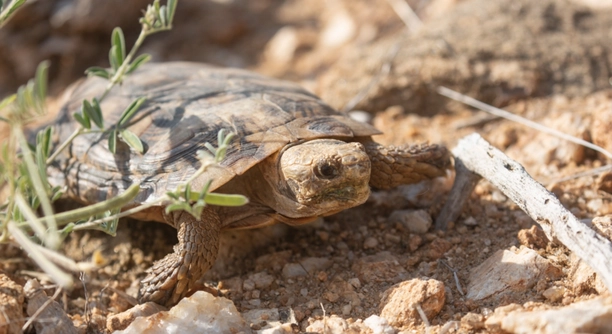
Pancake tortoises are unique creatures that require special care to thrive. One important aspect of their well-being is their diet, which plays a key role in their health and adjustment to new environments.
To help your pancake tortoise adjust to a new diet, you should gradually introduce new foods, monitor their reactions, and ensure proper nutrition. Providing a variety of safe, healthy foods will support their digestion and overall health during the transition.
With these helpful tips, you can ensure a smooth dietary transition for your pancake tortoise. Learn about the necessary steps to make sure your tortoise adjusts to its new meals with ease.
Gradually Introduce New Foods to Your Pancake Tortoise
When introducing a new diet to your pancake tortoise, it’s essential to make changes slowly. Sudden dietary shifts can stress your tortoise and lead to digestive problems. Start by offering small amounts of new food alongside their regular diet. This helps them get used to the new taste and texture while maintaining their usual routine. Over time, increase the portion of new food while decreasing the old one. This gradual process gives your tortoise the opportunity to adapt without overwhelming their system.
It’s also helpful to observe how your tortoise reacts to different foods. If you notice any signs of discomfort, such as lack of interest or digestive issues, consider reverting to the previous diet or adjusting the new food.
The goal is to make the transition as smooth as possible for your tortoise. By taking it slow and monitoring their reactions, you can ensure they adjust to the new diet without stress or health issues.
Offer a Balanced Diet
It’s crucial to provide a variety of healthy, nutritious foods to meet your pancake tortoise’s dietary needs. They thrive on leafy greens, grasses, and fruits, which supply essential vitamins and minerals. To make sure your tortoise gets the right balance, aim for a combination of high-fiber, low-protein foods and occasional treats like small amounts of fruit. Avoid overfeeding them with sugary or fatty foods as it can lead to obesity or other health issues.
Along with variety, offering the right portion sizes is important. Be mindful of not overfeeding, as this can cause weight gain and stress on their digestive system. Each meal should provide a healthy balance of nutrients and fiber to support their overall health. Regularly changing the food options keeps their meals interesting and ensures they’re getting the variety they need.
Finding the right combination of foods will help your pancake tortoise stay active and healthy. With a little patience, you’ll see how different foods can benefit their overall well-being.
Keep Their Environment Stable
A stable environment is just as important as a proper diet when adjusting your pancake tortoise to new food. Stress from changes in their habitat can make it harder for them to accept a new diet. Make sure their enclosure remains at a consistent temperature and humidity level. This will help them feel comfortable and encourage healthy eating habits. Keeping their living space calm and quiet allows your tortoise to focus on eating without feeling threatened.
Remember that tortoises are creatures of habit, and they may be sensitive to changes in their surroundings. By maintaining a familiar environment and slowly introducing new foods, you allow your tortoise to focus on the dietary change without added stress.
Stability in their home ensures a smoother transition to new foods and minimizes the chances of digestive or behavioral issues.
Monitor Your Tortoise’s Reaction to New Foods
Keep an eye on your pancake tortoise after introducing new foods. Look for changes in their eating habits, energy levels, or behavior. If they refuse to eat or seem lethargic, this may indicate an issue with the new food. It’s important to act quickly to avoid any potential health problems.
Pay attention to their stool as well. If the consistency changes, it could be a sign that their digestive system isn’t adjusting well. You may need to revert to their previous diet and introduce the new foods more slowly. Tortoises can be sensitive to dietary changes, so consistency is key.
If everything seems normal, gradually increase the amount of new food offered. This helps ensure your tortoise is getting the nutrients they need while allowing their digestive system time to adjust.
Provide a Source of Calcium
Pancake tortoises need calcium for strong bones and overall health. Including calcium-rich foods like dark leafy greens and cuttlefish bone in their diet helps meet these needs. Additionally, you can offer calcium supplements in powdered form, sprinkled over their food.
Calcium is crucial for tortoises, especially when they’re growing or recovering from health issues. Without enough calcium, they may develop metabolic bone disease, which can be difficult to treat. Ensuring a steady supply of calcium will prevent this and keep your tortoise strong.
Make sure the calcium source is available at all times. You can also try adding a calcium dish in their enclosure, so they have access whenever they need it. This will ensure your tortoise’s bones and shell stay healthy throughout their life.
Avoid Overfeeding
Overfeeding can lead to weight gain and health issues for your pancake tortoise. Be mindful of portion sizes and stick to a regular feeding schedule. They should receive enough food to stay healthy, but not too much to prevent obesity.
It’s easy to overfeed when offering a variety of foods. Stick to the recommended amount for their size and age, and avoid offering excessive treats. A consistent feeding routine will help keep their metabolism in check and support long-term health.
Hydration is Key
A constant supply of clean water is essential for your pancake tortoise’s digestion and overall well-being. Ensure that fresh water is always available for them to drink. You can also mist their enclosure to help maintain proper hydration levels.
Hydration impacts digestion, so it’s important not to neglect their water needs. Providing a water dish large enough for them to soak in helps to keep their skin and shell healthy. Monitor their water intake regularly, and keep the dish clean to avoid bacteria buildup.
FAQ
What should I feed my pancake tortoise?
Pancake tortoises thrive on a diet made up of leafy greens, grasses, and certain fruits. Foods like dandelion greens, clover, and kale are excellent choices. They also benefit from high-fiber foods like hibiscus flowers and cactus pads. Occasionally, you can offer fruits like apples or berries, but these should be given in moderation due to their sugar content. It’s important to avoid feeding them high-protein foods, as this can lead to health issues over time.
How often should I feed my pancake tortoise?
Pancake tortoises should be fed every day to maintain their health, but the amount depends on their size and age. Younger tortoises tend to need more food, while adults can be fed less frequently, about 4-5 times a week. Always provide fresh food and remove any leftovers to prevent spoilage. Keeping a regular feeding schedule ensures they stay active and healthy.
Can I feed my pancake tortoise pellets?
While some owners may use commercial pellets as part of a tortoise’s diet, it’s best to focus on fresh, natural foods for your pancake tortoise. Pellets often don’t provide all the nutrients your tortoise needs and can lack the variety they would get from fresh greens and grasses. If you decide to use pellets, they should only be a small part of their diet and supplemented with fresh, nutritious options.
How can I tell if my pancake tortoise is healthy?
A healthy pancake tortoise will have a firm, smooth shell with no visible cracks or soft spots. They should be active, alert, and regularly eating. Their eyes should be clear and not swollen or cloudy, and their breathing should be steady. Healthy stool should be firm and well-formed. If you notice any signs of illness such as lack of appetite, lethargy, or abnormal behavior, it’s best to consult a vet.
Is it okay to feed my pancake tortoise fruit every day?
Fruit should only be given as an occasional treat for pancake tortoises, not as a daily food. While fruits can be tasty and offer some nutrients, they are high in sugar, which can lead to obesity and other health problems if given too frequently. Stick to leafy greens and grasses as the main part of their diet, offering fruit once or twice a week at most.
How do I know if my pancake tortoise is dehydrated?
Signs of dehydration in a pancake tortoise include sunken eyes, dry or flaky skin, and a lack of appetite. If they’re not drinking enough water or absorbing moisture from their environment, dehydration can set in. It’s essential to always provide fresh water and mist their enclosure to maintain humidity levels, especially if you live in a dry climate. Soaking them in shallow water for about 15 minutes can also help rehydrate them.
What should I do if my pancake tortoise is not eating?
If your pancake tortoise isn’t eating, there could be a variety of reasons. First, ensure that the food you’re offering is fresh and appealing. Sometimes they refuse food if it’s not the right texture or if the food has been sitting out for too long. Stress, changes in their environment, or temperature issues can also cause a lack of appetite. If the refusal to eat continues for more than a couple of days, a visit to the vet is recommended.
How much calcium does my pancake tortoise need?
Calcium is important for your pancake tortoise’s shell and bone health. A steady source of calcium is needed throughout their life, especially if they’re still growing. You can provide calcium through leafy greens like collard greens or kale, or by offering a calcium supplement in powder form. Make sure they have access to cuttlefish bone or another form of calcium that they can nibble on when needed.
Can I keep multiple pancake tortoises together?
Pancake tortoises are generally solitary animals, and while it is possible to keep more than one in an enclosure, it’s important to monitor their behavior closely. Males, in particular, can be territorial, and fights may occur. Ensure that their enclosure is large enough to provide sufficient space and hiding spots for each tortoise. It’s always a good idea to introduce new tortoises gradually and monitor for signs of aggression or stress.
How do I care for a baby pancake tortoise?
Baby pancake tortoises need a similar diet to adults, but in smaller portions. They should be fed daily, offering soft greens, grasses, and finely chopped fruits. Their habitat should be warm and humid, mimicking their natural environment. A temperature range of 80-90°F during the day with a nighttime drop to 70°F is ideal. Baby tortoises are more vulnerable to stress and disease, so extra care is needed when setting up their enclosure and handling them.
Do pancake tortoises hibernate?
Pancake tortoises do not hibernate like some other species. However, they may slow down and become less active during cooler months, especially in the wild. In captivity, it’s important to maintain a consistent temperature and lighting schedule to prevent them from going into a state of dormancy. If they do show signs of reduced activity, it could indicate environmental stress or health issues.
Caring for a pancake tortoise requires attention to their unique dietary needs and overall well-being. By introducing new foods gradually, you can help your tortoise adjust without causing stress or digestive problems. It’s important to pay close attention to their reactions and monitor their health to make sure they are thriving. If any issues arise, such as refusal to eat or changes in behavior, acting quickly can prevent more serious health concerns. A slow transition and a careful approach are key to keeping your tortoise healthy and happy.
Along with dietary considerations, a stable environment is essential for a pancake tortoise’s health. Maintaining the right temperature and humidity levels helps prevent stress and supports proper digestion. Their enclosure should have ample space for them to move around comfortably, with hiding spots for when they need rest. Regularly checking their environment and ensuring it remains suitable will help your tortoise feel secure. This reduces the chances of behavioral problems or a decrease in appetite. Stability in their habitat plays a large role in a smooth dietary transition as well.
Lastly, providing a balanced diet with the right amount of calcium, fiber, and hydration ensures your pancake tortoise thrives in the long term. A variety of foods, such as leafy greens, grasses, and some fruits, will give them the nutrients they need. It’s also important to offer fresh water regularly and to avoid overfeeding, as this can lead to health issues like obesity. By sticking to a proper feeding schedule and keeping their environment stable, you’ll be supporting your tortoise’s health and happiness for years to come.

Hello,
If you enjoy the content that we create, please consider saying a "Thank You!" by leaving a tip.
Every little bit helps us continue crafting quality advice that supports the health, happiness, and well-being of pets around the world, for pets of all shapes, sizes, and species.
We really appreciate the kindness and support that you show us!