
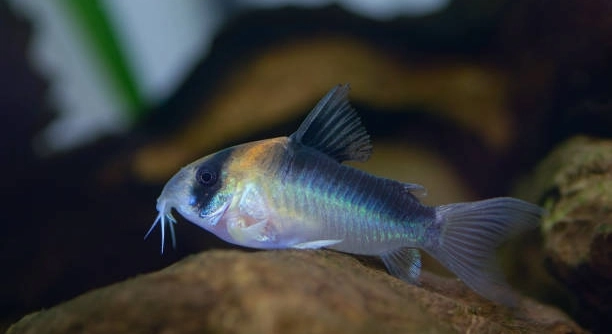
Corydoras catfish are peaceful and social creatures, making them a great addition to community aquariums. However, ensuring they get along well with other fish requires careful consideration of their temperament and environmental needs.
To help Corydoras catfish thrive with other fish, maintain water quality, choose compatible tankmates, provide hiding spots, and monitor stress levels. Regular feeding and a peaceful environment reduce aggression and promote peaceful interactions among species.
By following these steps, you’ll be able to create a harmonious environment for your Corydoras and other fish.
Maintain Water Quality
Keeping your aquarium water clean is key to ensuring your Corydoras catfish stay healthy and comfortable. These fish are sensitive to poor water conditions, which can lead to stress and even aggression. Regular water changes, proper filtration, and monitoring parameters like pH, ammonia, and nitrate levels are essential. Healthy water helps reduce stress, allowing your catfish to coexist peacefully with other fish. You can also use a water conditioner to remove harmful chemicals.
When you maintain the right water quality, all your fish will feel more at ease, which promotes better behavior. Test the water weekly to avoid any sudden changes that might stress the fish. If your aquarium has poor water quality, consider adding more filtration or making more frequent water changes. Healthy water not only benefits your Corydoras catfish but also ensures a peaceful environment for all fish.
A clean tank keeps your fish happy, and happy fish are more likely to get along with each other.
Choose Compatible Tankmates
Corydoras catfish are peaceful by nature, but they still need compatible tankmates. Fish that are too aggressive or too large can intimidate them, causing stress and conflict. Opt for smaller, non-aggressive species like guppies, tetras, or mollies. These fish tend to coexist well with Corydoras, as they’re not territorial and have a similar peaceful temperament.
Choosing compatible tankmates is essential in creating a balanced aquarium. Some fish, like bettas or cichlids, may display aggressive behavior, making them poor companions for Corydoras. Likewise, ensure the other fish don’t outcompete them for food. Corydoras catfish are bottom dwellers and often feed on leftover food, so smaller fish that feed on other areas of the tank won’t cause conflicts over food.
The right tankmates make a significant difference in your Corydoras catfish’s well-being and help reduce stress levels.
Provide Hiding Spots
Corydoras catfish appreciate having hiding spots in their tank, as they are naturally shy. Providing caves, plants, and rocks helps them feel secure and reduces stress. When they have somewhere to retreat, your catfish are less likely to become stressed by the presence of more dominant or aggressive fish. Hiding spots also allow them to stay out of the way during feeding times, giving them a safe space to eat in peace.
Corydoras catfish don’t like feeling exposed, especially when other fish are around. The more secure they feel, the less likely they are to display any signs of aggression. Hiding spots also promote healthier interactions with other fish, as your Corydoras will feel less threatened and more willing to coexist. These spaces are especially important if your tankmates are more active or territorial.
By offering these shelters, you’ll create an environment where your Corydoras catfish can feel safe and avoid potential conflicts.
Monitor Stress Levels
It’s crucial to monitor your Corydoras catfish for signs of stress, as stressed fish are more likely to exhibit aggression or avoidance behaviors. Stress can result from various factors, including overcrowding, aggressive tankmates, or changes in water conditions. Keep an eye on their behavior: if they’re constantly hiding or not eating, these could be signs of stress.
Stress not only impacts your catfish but can also affect the health of the entire tank. To prevent this, make sure your Corydoras have plenty of room to swim, and avoid introducing aggressive species. Regularly check the water quality and ensure that no environmental factors are stressing the fish. If necessary, separate aggressive tankmates to help reduce tension.
By being proactive in monitoring stress, you’ll ensure your Corydoras catfish live peacefully with other fish, promoting a happy and healthy aquarium for all inhabitants.
Regular Feeding
Corydoras catfish are bottom feeders and tend to scavenge for food. It’s essential to feed them regularly to ensure they don’t compete with other fish for food. Offer sinking pellets, frozen food, or live food designed for bottom dwellers. This will keep them well-nourished and prevent them from becoming stressed by food scarcity.
Feeding your Corydoras catfish at the same time each day can help maintain a routine, reducing anxiety in the tank. Overfeeding should be avoided, as it can lead to water quality issues. Make sure the food reaches the bottom of the tank, as Corydoras don’t usually swim to the surface for food.
A balanced feeding schedule helps keep your Corydoras catfish healthy and less likely to show aggression due to hunger.
Avoid Overcrowding
Overcrowding is one of the main causes of stress in an aquarium. Corydoras catfish need space to swim freely and feel comfortable. Too many fish in a tank can lead to territorial disputes and aggressive behavior. Ensure your tank has enough space for each fish to thrive, including the Corydoras.
Providing adequate space in the tank reduces competition for hiding spots and resting areas. In a cramped environment, fish may feel threatened and display defensive behavior, making it harder for your Corydoras catfish to get along with others. Overcrowding also contributes to poor water quality, which can affect the health of all fish.
To avoid overcrowding, stick to the general guideline of one inch of fish per gallon of water. Make sure the tank’s filtration system can handle the number of fish you plan to keep, maintaining optimal water conditions. This helps prevent unnecessary stress and allows your Corydoras to coexist peacefully with tankmates.
Use a Gentle Filter
A gentle filter is important for Corydoras catfish. These fish prefer calm waters, so strong currents can stress them out. Choose a filter with adjustable flow settings to avoid making the water too turbulent for your catfish and other tankmates. A sponge filter is a good option.
Filters that produce mild water movement allow your Corydoras to swim comfortably and prevent excess stress. The right filter keeps the water clean without disturbing the peaceful environment your catfish thrive in. It also helps maintain proper oxygen levels in the tank, which benefits all species, including your Corydoras.
A gentle filter ensures a balanced environment for all your fish, contributing to a peaceful and healthy aquarium.
Offer Variety in Diet
Variety in diet plays an important role in keeping your Corydoras catfish healthy and happy. Along with sinking pellets, offer them live or frozen food such as bloodworms, brine shrimp, or daphnia. This variety mimics their natural diet, promoting good health and reducing stress.
By providing a wide range of foods, you ensure your Corydoras receive all the necessary nutrients. A varied diet helps prevent deficiencies, keeping them strong and active. It also encourages natural foraging behavior, which helps reduce anxiety and promotes harmony with other fish.
The key to a balanced aquarium is providing diverse, nutritious food options for all your fish.
Monitor Tank Temperature
Corydoras catfish prefer a stable temperature range of 72°F to 78°F. Keeping the tank temperature within this range reduces stress and promotes their overall well-being. Any sudden temperature changes can shock your catfish and other fish, leading to potential health issues and aggression.
Using a reliable aquarium heater with a thermostat helps maintain a consistent temperature. Regularly check the water with a thermometer to ensure it stays within the optimal range. Maintaining the right temperature not only helps your Corydoras feel comfortable but also supports the other fish in your tank, creating a peaceful environment for everyone.
A stable temperature will reduce stress and help maintain a harmonious atmosphere in your aquarium.
FAQ
Why are my Corydoras catfish hiding all the time?
Corydoras catfish are naturally shy creatures. If they are hiding frequently, it could be due to stress, improper water conditions, or the presence of aggressive tankmates. Ensuring they have enough hiding spots, such as caves or plants, can make them feel safer. A peaceful environment and good water quality will help them feel comfortable and more likely to come out from hiding.
Can Corydoras live with other fish?
Yes, Corydoras catfish are peaceful and social, making them suitable for community tanks. However, they should be paired with non-aggressive fish that won’t bully them. Small species like tetras, guppies, or mollies are ideal companions. Avoid housing them with large or territorial fish, as this can cause stress.
How many Corydoras catfish should I have?
It’s best to keep Corydoras catfish in groups of at least three to six individuals. These fish are social and thrive in groups, where they feel more secure. A larger group also reduces stress and allows them to exhibit more natural behaviors, like schooling, which promotes a healthier and happier environment.
What is the ideal tank size for Corydoras?
Corydoras catfish require a minimum tank size of 20 gallons for a small group. A larger tank is always better as it provides more space for swimming and reduces stress. The tank should be well-filtered to keep the water quality high and ensure the fish have ample room to move around.
Do Corydoras need a filter?
Yes, Corydoras catfish do need a filter. While they prefer slow-moving water, a filter helps maintain clean water by removing waste and toxins. A sponge filter or a gentle filter with adjustable flow settings is ideal, as it prevents strong currents that can stress out the fish.
What should I feed my Corydoras catfish?
Corydoras catfish are omnivores and primarily bottom feeders. They enjoy sinking pellets, live or frozen foods like bloodworms, brine shrimp, and daphnia. Supplementing their diet with occasional vegetable matter, such as blanched zucchini or spinach, can also be beneficial. Make sure to feed them enough but avoid overfeeding, which can lead to water quality issues.
Why is my Corydoras catfish not eating?
If your Corydoras catfish isn’t eating, it could be due to stress, illness, or competition for food. Check the water parameters and ensure they are within the ideal range. Make sure they’re not being bullied by other fish during feeding time. If the problem persists, consider separating the fish for observation.
Can Corydoras catfish live without a substrate?
Corydoras catfish are bottom dwellers and benefit from having a soft substrate like sand or fine gravel. They use their barbels to sift through the substrate for food, so it’s essential to provide a surface that’s gentle on their sensitive barbels. Avoid sharp gravel, as it can damage them. While they can survive without a substrate, it’s not ideal for their health and behavior.
How often should I change the water for my Corydoras tank?
Water changes should be done regularly to keep the tank clean and the water quality high. For a tank with Corydoras catfish, aim to change 25-30% of the water every 1-2 weeks. Be sure to test the water parameters to ensure everything is stable. Frequent water changes will also prevent the buildup of toxins and waste.
Why do my Corydoras catfish have red fins?
Red fins could be a sign of fin rot or an injury caused by poor water conditions or aggression from other fish. If you notice discoloration or fin damage, check the water quality and make sure it’s within the correct parameters. If the condition worsens, consider isolating the fish and treating it for potential infections.
Do Corydoras catfish need a heater?
Yes, Corydoras catfish thrive in stable temperatures between 72°F and 78°F. A heater is essential if your home temperature fluctuates or if you’re keeping them in a cooler environment. Make sure the heater has a built-in thermostat to prevent sudden temperature changes, which can stress the fish.
Can Corydoras catfish jump out of the tank?
Although Corydoras catfish are not known for jumping, it is possible if they are startled or if the tank lid is not secure. Ensure your tank is covered with a tight-fitting lid or mesh to prevent any accidental escapes.
How can I tell if my Corydoras catfish is stressed?
Signs of stress in Corydoras catfish include hiding more than usual, not eating, or swimming erratically. They may also display rapid gill movement or a lack of interest in food. Stress is usually caused by poor water quality, overcrowding, or incompatible tankmates. Regular monitoring of water parameters and providing hiding spots can help reduce stress.
Are Corydoras catfish good for beginners?
Corydoras catfish are generally considered good for beginners. They are hardy, easy to care for, and have peaceful temperaments. However, it’s essential to maintain proper water conditions, provide them with a suitable diet, and ensure they have compatible tankmates. Following these basic care guidelines will help your Corydoras thrive.
Do Corydoras catfish need to be in a school?
Corydoras catfish are social fish and do best in schools of at least three to six individuals. Having companions helps reduce stress and encourages natural behaviors like schooling. Keeping them in a group also makes it easier for them to find food and feel safe in the tank.
Final Thoughts
Corydoras catfish are peaceful and resilient fish that can thrive in many different tank setups. By providing them with the right conditions, such as gentle filtration, stable water temperatures, and a suitable diet, you can ensure they remain healthy and happy. These fish are social creatures and do best in groups, which helps them feel more comfortable and secure in the tank. Keeping them with other peaceful fish species will create a harmonious environment for everyone.
It’s important to consider the specific needs of your Corydoras when setting up their tank. They prefer soft, fine gravel or sand as a substrate, as this protects their sensitive barbels. Additionally, you should avoid having aggressive or large fish that could stress or harm your Corydoras. Providing plenty of hiding spots, such as caves or plants, allows them to feel safe and secure. Consistent water quality is another factor that cannot be overlooked. Regular water changes and testing will help maintain a clean and stable environment.
By following these simple guidelines, you’ll be able to keep your Corydoras catfish healthy and stress-free, making them an enjoyable addition to your aquarium. These fish not only contribute to a balanced ecosystem but also provide an interesting and calming presence in your tank. With proper care and attention, your Corydoras will thrive and bring years of enjoyment to your aquatic setup.

Hello,
If you enjoy the content that we create, please consider saying a "Thank You!" by leaving a tip.
Every little bit helps us continue crafting quality advice that supports the health, happiness, and well-being of pets around the world, for pets of all shapes, sizes, and species.
We really appreciate the kindness and support that you show us!