
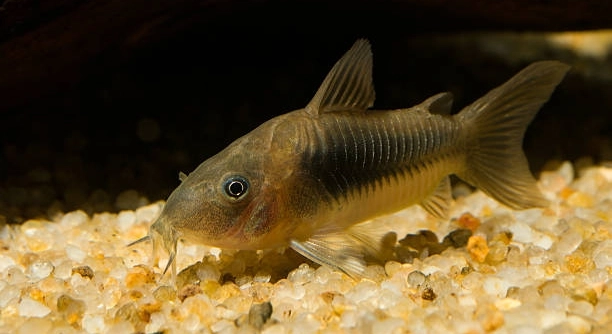
Corydoras catfish are popular aquarium fish known for their peaceful nature and playful behaviors. To keep them happy and thriving, creating the right environment is key. A planted tank can be the perfect setting for these fish.
To help your Corydoras feel more at home, focus on providing plenty of hiding spots, a soft substrate, stable water conditions, and the right tank mates. These elements will create a comfortable environment for your fish to thrive.
Understanding how to set up your tank properly is the first step to creating a peaceful home for your Corydoras. With a few simple adjustments, your catfish will be more comfortable and happier in its environment.
1. Provide Soft Substrate for Your Corydoras
Corydoras catfish have sensitive barbels on their faces, which they use to search the substrate for food. If the substrate is too rough, it can irritate their barbels, leading to stress or injury. Soft, fine sand is the best option for these fish, as it allows them to move around and forage comfortably without damaging their delicate sensory organs. Avoid sharp-edged gravel or rough rocks, as they could cause harm. Additionally, Corydoras enjoy digging and sifting through the substrate, so a soft layer gives them more freedom to exhibit their natural behaviors.
The right substrate also helps to maintain good water quality. Soft sand prevents debris from getting trapped and breaking down, which can lead to water contamination.
Using a soft, fine sand substrate is a small change that can significantly improve the well-being of your Corydoras catfish. It offers them both comfort and a safer space to explore their tank environment without worrying about injuries.
2. Keep Water Conditions Stable
Water quality plays a crucial role in the health of your Corydoras. These fish thrive in stable, clean water conditions. They prefer slightly acidic to neutral water with a temperature between 72°F and 78°F. Water hardness should be kept at a moderate level, around 4-12 dGH. Monitoring the water’s pH, ammonia, nitrites, and nitrates regularly is important to ensure a healthy tank environment.
A stable environment reduces stress in your Corydoras, making them feel more at ease. It also prevents health issues that can arise from fluctuating water conditions. Installing a reliable filter and doing regular water changes will help maintain the right conditions.
You may also want to invest in a water heater and aquarium thermometer to keep the temperature consistent. Fluctuating temperatures or poor water quality can stress out your Corydoras and make them more vulnerable to diseases.
3. Offer Plenty of Hiding Spots
Corydoras catfish feel safer when they have places to hide. Providing caves, plants, or driftwood gives them the opportunity to retreat and relax, especially when they feel threatened. This is especially important in a tank with active or more aggressive tank mates.
Hiding spots also offer a sense of security, reducing stress levels and helping them maintain good health. Corydoras tend to be peaceful and prefer to stay hidden rather than fight with other fish. These shelters allow them to rest and escape any unwanted attention. Plants like Java Fern or Anubias can be positioned strategically to create natural hiding places.
A variety of hiding spots will encourage your Corydoras to explore more freely and improve their overall well-being. Having options to hide also minimizes their stress when they need a break from the activity in the tank. It’s a small investment that pays off in your fish’s happiness.
4. Choose the Right Tank Mates
Selecting the right tank mates is essential for the well-being of your Corydoras catfish. They do best with peaceful fish that won’t bother them or disturb their environment. Avoid aggressive species that could harass them, and opt for smaller, calm fish instead.
Corydoras are social creatures and enjoy being in groups of at least three or more. A small school of Corydoras will feel more comfortable and exhibit natural behavior. They will swim together and interact, helping them to stay confident in the tank. Ideally, you should pair them with species that are not territorial or overly active.
Some great companions for Corydoras include tetras, rasboras, or peaceful livebearers. These fish are less likely to stress out your catfish, creating a peaceful atmosphere. Avoid species like cichlids or fin-nipping fish, which may stress or harm your Corydoras.
5. Maintain Proper Lighting
Corydoras don’t need intense lighting. In fact, bright lights can stress them out. A dimmer, more natural light is ideal for creating a calm environment. Use LED lights with adjustable brightness to avoid overwhelming them.
They are most comfortable with a moderate lighting cycle. Around 10-12 hours of light per day is sufficient to maintain a healthy tank environment without stressing your Corydoras. This also helps to prevent excessive algae growth, which can lead to water quality issues.
A more natural lighting setup promotes a peaceful atmosphere, allowing your Corydoras to feel relaxed and secure. The right lighting mimics their natural habitat and helps them feel at ease.
6. Create a Natural Aquascape
A well-planted tank provides both beauty and function. Plants not only create hiding spots but also help to oxygenate the water and maintain stable conditions. An aquascape with low-growing plants like moss or ferns will benefit your Corydoras.
Adding plants provides a natural environment where your Corydoras can explore, forage, and feel secure. A lush aquascape gives them spaces to hide or rest. Make sure plants are not too dense, as Corydoras need room to swim freely. You can also include small rocks or driftwood to add variety and additional shelter.
Having plants also helps to improve the water quality by absorbing excess nutrients and providing a more stable ecosystem.
7. Avoid Strong Currents
Corydoras prefer calm water and will feel stressed in areas with strong currents. Their bodies are built for slow swimming, and powerful filters or pumps can make it difficult for them to move freely.
To prevent strong currents, use a gentle filter with adjustable flow settings. If you need a stronger filter, position it in a corner of the tank or use a sponge filter to reduce the impact. Keep an eye on the water flow to ensure it remains manageable for your catfish.
A low-current environment allows your Corydoras to thrive and feel at ease in their tank. Adjusting the flow helps them conserve energy and ensures they aren’t struggling to swim.
FAQ
How many Corydoras should be kept together?
Corydoras are social fish and thrive in groups. Keeping at least three Corydoras together is recommended, but more is even better. A group of six or more allows them to interact, feel secure, and display natural behaviors. When kept alone or in small numbers, Corydoras may become stressed and less active. A group provides comfort, and they will often school together. Having a larger group also reduces the risk of aggression and allows them to form bonds with each other.
Can Corydoras live with other fish?
Yes, Corydoras are peaceful and generally get along with other non-aggressive species. However, it’s important to choose tank mates carefully. Avoid placing them with larger or more aggressive fish that might harass or bully them. Good tank mates include small tetras, rasboras, guppies, and other peaceful species. Corydoras should also be kept with fish that prefer similar water conditions. Keeping them with too-active or territorial fish might cause stress. Always consider the temperament of the other species in your tank before introducing Corydoras.
Do Corydoras need a filter?
Yes, a filter is essential for maintaining clean water and good water quality in your tank. Corydoras are sensitive to poor water conditions, so a reliable filter helps to remove debris, ammonia, and other harmful substances. However, the filter should have a gentle flow, as Corydoras don’t like strong currents. You can use sponge filters or adjustable filters to maintain the right water flow for them. Regular water changes are also necessary to keep the environment healthy.
What should I feed my Corydoras?
Corydoras are omnivores and will eat a variety of foods. They primarily scavenge for food at the bottom of the tank. You can feed them sinking pellets, tablets, or wafers designed for bottom-feeding fish. Supplement their diet with live or frozen foods like bloodworms, brine shrimp, or daphnia. Corydoras also enjoy occasional vegetable matter, such as blanched spinach or zucchini. It’s important to provide food that sinks to the bottom, as Corydoras are bottom feeders. Always avoid overfeeding, as leftover food can degrade water quality.
Can Corydoras live in cold water?
Corydoras are tropical fish and require warm water temperatures to thrive. The ideal range is between 72°F and 78°F (22°C – 26°C). Cold water can stress them out, making them vulnerable to diseases and reducing their overall lifespan. If you keep them in an unheated tank, you may notice them becoming lethargic or less active. A heater is necessary to maintain a stable temperature in the tank, ensuring they remain active and healthy.
How often should I clean the tank for Corydoras?
Maintaining good water quality is important for Corydoras. Regular water changes are crucial to keep your tank clean and healthy. Aim for a 25-30% water change every 1-2 weeks, depending on the tank’s size and the number of fish. Use a siphon to remove debris from the substrate, especially if you have a sand bottom. Be mindful of not disturbing their hiding spots while cleaning. Additionally, check the filter every month to ensure it’s working properly and doesn’t need cleaning or replacing.
What type of substrate is best for Corydoras?
The best substrate for Corydoras is fine, smooth sand. This allows them to sift through it comfortably while foraging for food. Avoid sharp gravel or rocks, as they can damage the sensitive barbels on their faces. Corydoras use their barbels to search the substrate, and rough materials can cause injury. Sand also helps maintain good water quality by preventing debris from getting trapped, which can cause water issues. Make sure to choose aquarium-safe sand, and avoid natural beach sand that might contain harmful elements.
Do Corydoras need a heater?
Yes, Corydoras require a heater to maintain the proper water temperature, as they are tropical fish. A consistent temperature range of 72°F to 78°F (22°C to 26°C) is ideal for them. Sudden drops in temperature can cause stress and make Corydoras susceptible to illnesses. A reliable aquarium heater helps to keep the temperature stable, even if the room temperature fluctuates. Make sure to monitor the water temperature regularly with an aquarium thermometer to ensure it stays within the recommended range.
How can I tell if my Corydoras is stressed?
Signs of stress in Corydoras include hiding more often than usual, reduced activity, loss of appetite, or abnormal swimming patterns. They may also become more skittish or try to escape the aquarium by staying near the water surface. Stress can be caused by poor water conditions, inappropriate tank mates, or sudden changes in their environment. If you notice these signs, check the water parameters and make sure the tank is clean and suitable for them. If the issue persists, consider adjusting their environment to reduce stress factors.
How long do Corydoras live?
Corydoras typically live for 5 to 10 years, depending on the conditions of their tank and the care they receive. Providing a stable environment with proper water conditions, diet, and a peaceful tank setup will help ensure that your Corydoras have a long and healthy life. Factors like water quality, temperature, and stress can affect their lifespan. Keep in mind that regular maintenance and monitoring their health will contribute to a longer, happier life for your Corydoras.
Final Thoughts
Corydoras catfish are a great addition to any aquarium, especially when you provide them with the right environment. These peaceful bottom dwellers thrive in tanks with soft substrate, stable water conditions, and plenty of hiding spots. They feel more at ease in environments that mimic their natural habitat, where they can forage, swim freely, and interact with other non-aggressive fish. Understanding their needs is key to ensuring they remain healthy and happy for years to come.
By choosing the right tank mates, you can ensure that your Corydoras are not stressed or harassed. Peaceful, small fish that prefer similar water conditions will make excellent companions. Also, it’s important to keep water quality in check by maintaining a proper filtration system, doing regular water changes, and ensuring that the temperature stays within their ideal range. Small adjustments to your tank setup, such as adjusting the lighting and providing gentle water flow, will further contribute to their comfort.
Caring for Corydoras is relatively simple once you know their basic needs. With the right substrate, tank mates, and attention to water quality, you can create a thriving environment for these charming fish. They will reward you with their peaceful nature and unique behaviors, making them a delight to watch. Whether you’re a beginner or an experienced aquarist, Corydoras can bring joy and life to your aquarium.

Hello,
If you enjoy the content that we create, please consider saying a "Thank You!" by leaving a tip.
Every little bit helps us continue crafting quality advice that supports the health, happiness, and well-being of pets around the world, for pets of all shapes, sizes, and species.
We really appreciate the kindness and support that you show us!