
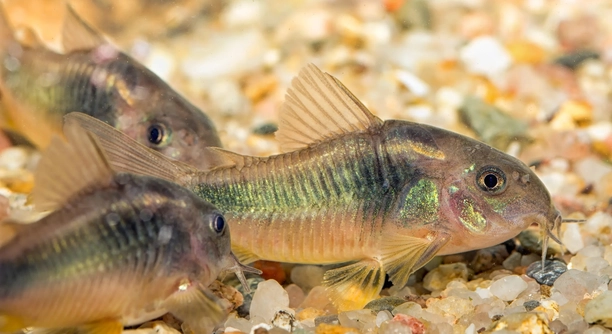
When introducing a new tankmate to your aquarium, it’s important to consider how your Corydoras catfish will react. They may feel stressed, which can impact their health. This guide will help you support them through the adjustment.
To help your Corydoras catfish adjust to a new tankmate, start by maintaining a stable tank environment, providing hiding spots, and observing their behavior. Ensure they are not overcrowded, and offer high-quality food to ease stress and foster a smooth transition.
By following these simple steps, you’ll ensure your Corydoras catfish stays healthy and calm. Read on to learn more about the best strategies for a successful tankmate introduction.
Keep the Tank Environment Stable
When introducing a new tankmate, it’s essential to ensure that the water quality remains stable. Corydoras catfish are sensitive to changes in water temperature, pH levels, and ammonia levels. A sudden fluctuation in any of these factors can cause stress, making it harder for your fish to adjust. Regularly monitor the tank’s water parameters, and perform water changes as needed. Make sure your filter is working well and is not causing any debris buildup.
A stable environment creates a sense of security, making it easier for your catfish to adapt to new surroundings. This can minimize potential health issues and help them feel safe in their new community. Small changes in the water can make a big difference, so consistency is key.
Avoid any drastic alterations when adding new tankmates. Introduce the new fish slowly and keep an eye on any signs of stress or aggression. This attention to detail goes a long way in promoting a peaceful atmosphere for all your aquarium inhabitants.
Provide Hiding Spots
Corydoras catfish need spaces to retreat to when they feel overwhelmed. Adding hiding spots such as plants, rocks, or decorations can help your fish feel more at ease. These hiding places provide a sense of security. With new fish in the tank, having places to hide will encourage them to explore at their own pace.
Creating a natural-looking environment with plenty of hiding spots can reduce the catfish’s stress level. Corydoras often seek refuge under rocks or in caves, especially when feeling threatened. By offering them these spaces, you allow them to have control over their environment, making it easier for them to adjust without feeling exposed.
These refuges will not only help the catfish settle in but also give the new tankmates space to adjust. A well-planned tank layout benefits everyone by reducing tension and promoting peaceful interactions.
Monitor Behavior Closely
Pay close attention to how your Corydoras catfish are behaving after the new tankmate is introduced. Stress signs can include hiding more than usual, swimming erratically, or not eating properly. Keeping a close eye on their behavior will help you notice if something is wrong early. If you see consistent signs of stress, it might be a good idea to separate the fish temporarily.
While Corydoras are peaceful by nature, they can become shy or skittish in the presence of new fish. If this occurs, try turning off bright lights or adding more hiding places. Monitoring their behavior will help you adjust the environment if needed, allowing for a smoother transition.
In some cases, it may take a while for the fish to get used to the new addition. If they’re still struggling after a few days, it could be helpful to research whether the new tankmate is compatible with Corydoras catfish. By observing closely and being patient, you can ensure that both your catfish and the new tankmate will thrive together.
Ensure Proper Tank Size
One of the easiest ways to reduce stress during a tankmate change is ensuring your aquarium is large enough. A tank that is overcrowded leads to competition for food, space, and oxygen, which can trigger territorial behavior. A larger tank with plenty of space allows the fish to establish their own territories, reducing the chance of conflict.
Before adding any new fish, double-check the tank’s capacity. A general guideline is to provide at least 10 gallons of water for every 4-5 Corydoras catfish, but larger tanks are always better. More room means the fish can avoid each other when needed and feel more comfortable in their environment.
The right tank size also promotes better water quality. The larger the tank, the easier it is to keep the water clean, which is essential for the health of all your fish. By planning ahead and ensuring the tank is adequately sized, you can help your Corydoras catfish adjust smoothly to any changes in their tank community.
Offer High-Quality Food
When adjusting to new tankmates, providing a nutritious and well-balanced diet is crucial. Offer a mix of high-quality pellets, flakes, and occasional live or frozen food. This variety helps your Corydoras catfish stay healthy, reducing stress and ensuring they’re getting the nutrients they need to thrive.
If your catfish are stressed, they might lose interest in food. To encourage eating, try feeding at different times and in quieter areas of the tank. This ensures that all fish get a fair share of food. Additionally, keeping feeding times consistent can help your catfish feel more secure in their new environment.
Offering high-quality food will also encourage the catfish to explore and interact more with their new tankmates. When they feel safe and well-fed, they are more likely to accept the changes in their environment. Good nutrition supports a smoother transition for all of your aquarium residents.
Keep Lighting Soft
Bright lighting can stress out Corydoras catfish, especially in the first few days after a tankmate change. Dimmer lighting can help your catfish feel more comfortable and secure. If the lights are too harsh, consider using a softer light or turning them off for longer periods until they adjust.
After a tankmate change, your Corydoras will likely be more sensitive to the environment. A softer lighting setup allows them to adjust without feeling exposed. Avoid direct overhead lighting, as it can make the fish feel cornered. Instead, try using ambient lighting to create a more peaceful atmosphere.
Gradually, as the catfish become more accustomed to the new tankmate, you can return to normal lighting. Start by turning the lights on for shorter periods and slowly increasing the duration. Keeping the lighting gentle during the adjustment period supports their mental and physical well-being.
Avoid Overcrowding
Overcrowding can create a stressful environment for Corydoras catfish. It limits their space, increases competition for food, and raises the risk of aggression. Make sure the tank has enough room for each fish to have their own territory and hide if needed.
If your tank is too small, it’s best to limit the number of fish added at once. Monitor your fish for any signs of discomfort, such as increased hiding or erratic swimming. By keeping the population in check, the tank will feel more peaceful, allowing your Corydoras to adjust without feeling crowded or threatened.
Maintain Consistent Tank Maintenance
Regular tank maintenance helps keep the environment stable for your Corydoras. Regular water changes, filter cleaning, and substrate vacuuming all contribute to maintaining optimal water quality. Consistency is important when adjusting to new tankmates, as sudden changes in water conditions can cause stress.
Keeping the tank clean ensures your Corydoras catfish and their new companions remain healthy. It also prevents the buildup of waste, which could further stress the fish. Stick to a maintenance schedule to keep everything running smoothly, helping your Corydoras feel secure in their home.
Ensure Tankmate Compatibility
Before introducing a new tankmate, research its compatibility with Corydoras catfish. Some fish may be too aggressive or territorial, which could stress your catfish. It’s best to choose peaceful species that won’t compete for food or space.
Corydoras are bottom dwellers and prefer calm tankmates. Species that swim higher in the tank or are less aggressive are ideal choices. Properly matching tankmates will make the transition smoother, ensuring all your fish coexist peacefully. This step is crucial in helping your Corydoras feel comfortable and safe.
FAQ
How long does it take for Corydoras to adjust to a new tankmate?
The adjustment time for Corydoras catfish varies, but it typically takes anywhere from a few days to a few weeks. During this time, they may be shy or more reclusive as they get used to the new presence in the tank. It’s important to be patient and observe their behavior, looking for signs of stress or aggression. If your catfish are still hiding after a week, it might indicate that they need more time to adjust or that the tankmate isn’t compatible. Monitoring water conditions and providing hiding spots can make this process easier for them.
What should I do if my Corydoras seems stressed after a tankmate change?
If your Corydoras catfish seems stressed, first check the water parameters. Poor water quality can cause stress in fish. Make sure the temperature, pH, and ammonia levels are stable and within safe ranges. Also, ensure that your tank is not overcrowded, as too many fish can increase stress. Adding more hiding spots and reducing the lighting can help your Corydoras feel more secure. If the stress continues, consider temporarily separating the fish or observing them more closely to ensure that the new tankmate isn’t being too aggressive.
Can Corydoras catfish live with aggressive fish?
Corydoras catfish are peaceful, bottom-dwelling fish and generally do not do well with aggressive tankmates. While they are not prone to aggression themselves, they may become stressed or even harmed by more territorial or aggressive species. If you are introducing a new fish, make sure to research its temperament and ensure that it is compatible with peaceful species like Corydoras. Fish like tetras, guppies, and peaceful bettas are typically safer companions. Aggressive species such as cichlids or larger predatory fish should be avoided.
How can I tell if my Corydoras catfish is being bullied?
Signs that your Corydoras catfish may be bullied include constant hiding, erratic swimming, or displaying unusual behavior such as darting or staying in one spot for long periods. If the catfish is being chased around the tank or unable to get to food, that’s another clear sign of bullying. Keep an eye on the interactions between your Corydoras and the other fish. If bullying continues, it might be necessary to rearrange the tank or separate the aggressive fish temporarily. Ensuring enough space and hiding spots can help reduce aggression.
Is it normal for Corydoras catfish to stop eating when a new tankmate is introduced?
Yes, it is fairly common for Corydoras catfish to stop eating or eat less when they are adjusting to a new tankmate. Stress from the change in their environment can lead to a loss of appetite. If this occurs, avoid overfeeding and instead offer small, nutritious meals multiple times a day. Keep the feeding area calm and free from stressors, such as strong lights or aggressive fish. Once they feel more comfortable, their appetite should return to normal. Ensure that water quality is also optimal, as poor water conditions can exacerbate feeding issues.
Can Corydoras catfish get along with other bottom-dwelling fish?
While Corydoras catfish are peaceful bottom dwellers, they can get along with other bottom-dwelling species, provided the tank is spacious and there is enough room for each fish. Be cautious with fish that might compete for the same space or food. For instance, other peaceful bottom-dwellers like loaches, certain species of plecos, and small catfish may coexist well with Corydoras. However, fish that are territorial or overly competitive for food can cause stress. Proper tank setup, including hiding spots and an appropriate number of fish, is key for peaceful cohabitation.
How can I prevent aggression when adding new fish to a tank with Corydoras?
To reduce aggression when adding new fish to a tank with Corydoras, introduce the new fish gradually and during a time when the tank is calm. Adding one or two new fish at a time is less likely to cause stress than introducing several at once. Be sure to provide plenty of hiding spots, as these can help reduce the risk of aggression by allowing each fish to have its own space. Monitor the behavior of both the new and existing fish closely, and be prepared to separate them if any aggression or bullying occurs.
Do Corydoras catfish get along with fish of similar size?
Corydoras generally get along well with fish of similar size, especially those that are non-aggressive and peaceful. When introducing similarly sized tankmates, ensure that the new fish are not aggressive, as Corydoras are small and can become stressed or intimidated. Avoid placing them with much larger fish, as these could pose a threat to your Corydoras, either by bullying or outright predation. Fish that are too small may also be at risk if the tankmates are larger or more territorial. Focus on peaceful, similarly sized fish for the best results.
Should I use a quarantine tank when adding new fish to a tank with Corydoras?
Yes, it’s highly recommended to use a quarantine tank when adding new fish to any established aquarium, including a tank with Corydoras. A quarantine period of 2-4 weeks allows you to monitor the new fish for any signs of illness or parasites before introducing them to the main tank. This helps prevent the spread of diseases to your Corydoras or other tankmates. Additionally, a quarantine tank allows the new fish to acclimate to their environment without immediately causing stress to the existing inhabitants.
Can Corydoras catfish adjust to a change in tankmates without stress?
Corydoras catfish can adjust to changes in tankmates, but the process is rarely without some level of stress. The degree of stress depends on the nature of the new fish, the tank environment, and how smoothly the introduction goes. Corydoras are generally peaceful and tend to do better when the new fish are introduced gradually and in a calm environment. To minimize stress, ensure that the tank is well-planted with hiding spots and keep the water quality optimal. Patience is key—allow the catfish time to adjust to the new presence.
Final Thoughts
Introducing new tankmates to your Corydoras catfish can be a smooth process if you take the time to plan and observe. Corydoras are peaceful and social fish, but they can get stressed when their environment changes or when they are faced with aggressive tankmates. It’s important to ensure that the water quality is stable, and that there are enough hiding spots and space for all your fish. This gives them the best chance to adjust to the new tankmate without feeling overwhelmed. By creating a calm environment and monitoring your catfish closely, you can make the transition easier for everyone involved.
Remember that the process of adjustment can take time, so patience is key. Corydoras may take a few days or even weeks to feel completely comfortable with a new fish in the tank. In some cases, they may seem shy or even stop eating temporarily. This is normal, and as long as the water conditions are ideal and the new tankmate is peaceful, they will eventually get used to the change. If you notice signs of stress that don’t go away after a while, consider whether the new fish is compatible with your Corydoras and make adjustments as necessary.
Overall, maintaining a peaceful tank environment is crucial to the health and well-being of your Corydoras. By avoiding overcrowding, offering plenty of food, and keeping the lighting gentle, you’ll reduce stress and encourage your fish to thrive. Being proactive in setting up the tank, observing their behavior, and responding quickly to any signs of stress will ensure a smooth transition. With these steps in place, your Corydoras catfish and their new tankmates can coexist happily and peacefully in a healthy, stable environment.

Hello,
If you enjoy the content that we create, please consider saying a "Thank You!" by leaving a tip.
Every little bit helps us continue crafting quality advice that supports the health, happiness, and well-being of pets around the world, for pets of all shapes, sizes, and species.
We really appreciate the kindness and support that you show us!