
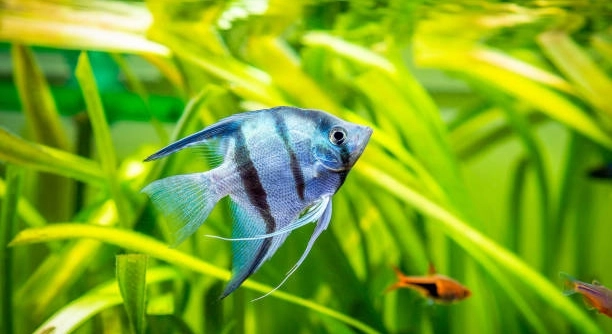
Introducing angelfish to new water conditions can be a delicate process. The key is ensuring a smooth transition to keep them healthy and comfortable. Understanding the steps involved will help you manage their adaptation effectively.
Angelfish are sensitive to changes in water conditions, and sudden shifts can cause stress or health problems. To help them adjust, it is essential to gradually acclimate them to the new environment and monitor water quality closely.
By following these steps, you can create the best environment for your angelfish. Understanding the importance of water temperature, pH levels, and salinity is essential for their overall well-being.
Gradual Water Temperature Adjustment
When adjusting your angelfish to new water conditions, temperature plays a significant role in their comfort and health. A sudden temperature change can lead to stress, making them more susceptible to diseases. The best way to manage this is by gradually acclimating your angelfish to the new temperature. Start by floating the bag or container with your fish in the tank for about 15-20 minutes, allowing them to adjust to the tank’s temperature. Afterward, slowly mix in small amounts of tank water into the bag every 10-15 minutes. This process can take up to an hour. Once the water inside the bag matches the tank temperature, you can release your fish.
A consistent water temperature of 76°F to 80°F is ideal for angelfish. Be sure to monitor the tank temperature during the acclimation process to ensure it remains stable. Rapid temperature fluctuations can make the transition more difficult for your fish.
Proper acclimation to water temperature is crucial for reducing stress. This process helps your angelfish adapt smoothly without triggering any health concerns related to sudden shifts in their environment.
Monitor Water pH Levels
The pH level of the water is essential for the overall well-being of your angelfish. Angelfish prefer water with a slightly acidic to neutral pH, ranging from 6.5 to 7.5. If the pH level in your tank differs significantly from the one they are used to, they may have trouble adjusting, and stress could occur. Testing the pH levels regularly before and after adding your angelfish is important. If you need to adjust the pH, make gradual changes using appropriate pH adjusters to avoid shocking your fish.
To avoid further stress, ensure that the pH remains stable. Significant pH fluctuations can be harmful, so consistency is key. Regular water changes will also help maintain the right pH levels for your angelfish.
A stable pH will help your angelfish adjust more quickly, ensuring they thrive in their new environment without complications.
Adjust Salinity Levels Gradually
Sudden changes in salinity can be harmful to angelfish, especially if they are used to freshwater conditions. To help your angelfish adjust, it’s essential to gradually alter the salinity levels in the tank. If the water conditions require it, add salt slowly over several days, monitoring the fish’s behavior throughout.
Angelfish generally do well in freshwater, but if you are transitioning them to a brackish environment, a steady approach will help them acclimate. Start by adding small amounts of aquarium salt and checking how your fish react. Gradual changes reduce stress and allow the angelfish to adjust at their own pace.
Once the salinity is where it needs to be, keep an eye on the fish to ensure they’re not showing signs of discomfort. A slow and controlled approach allows their bodies to adapt without overwhelming them, promoting a healthy transition.
Ensure Proper Filtration
Good filtration is essential for maintaining water quality, which directly affects your angelfish’s ability to adjust to their new environment. Ensure your aquarium has an appropriate filter that can handle the tank size, removing excess waste and toxins from the water. A strong filtration system helps create a stable and clean environment for your fish to thrive in.
Along with proper filtration, regular maintenance is key. Clean your filter as recommended and perform water changes to keep toxins in check. This will prevent dangerous spikes in ammonia and nitrites, which could harm your angelfish.
If your filtration system is inadequate, your fish may struggle to adjust due to poor water quality. A reliable filter will help maintain the conditions necessary for a successful acclimation process, making the transition smoother and healthier for your angelfish.
Keep Lighting Consistent
Angelfish thrive in consistent lighting conditions. Sudden changes in light intensity can stress them out, especially when adjusting to new water conditions. Use a reliable light source and maintain a stable day-night cycle of 10-12 hours to mimic natural conditions.
Too much light can cause algae growth, while too little can stress the fish. Keep lighting steady to avoid adding unnecessary strain on your angelfish. A timer can help maintain consistency, preventing disruptions in their environment that could hinder their adjustment.
Minimize Tank Movements
While it’s important to adjust water conditions, it’s equally crucial to minimize other changes within the tank. Constantly rearranging decorations or adding new objects can unsettle your angelfish. Their environment should remain stable and predictable during the adjustment period.
Movement in the tank creates unnecessary stress, causing your angelfish to feel unsettled. Limit changes to only what is necessary to help them adjust and ensure they feel secure. Stability promotes a smoother transition to the new water conditions.
Keep Stress to a Minimum
Minimizing stress is key to helping your angelfish adjust properly. Avoid overcrowding the tank and keep the fish in a peaceful environment without aggressive tankmates. Stress can lead to illness and slow the acclimation process. Ensure your angelfish have enough space to feel comfortable.
FAQ
What temperature is best for angelfish?
Angelfish prefer a water temperature between 76°F and 80°F (24°C to 27°C). Keeping the water within this range ensures they stay comfortable and healthy. If the temperature fluctuates too much, it can cause stress and weaken their immune system. Use a reliable heater to maintain a stable temperature and monitor it regularly with a thermometer.
How long does it take for angelfish to adjust to new water conditions?
It can take anywhere from a few hours to a few days for angelfish to adjust to new water conditions, depending on the changes you’ve made. Gradual adjustments help minimize stress, so it’s essential to give them time to acclimate. Pay close attention to their behavior, and avoid rushing the process.
Can angelfish survive in brackish water?
While angelfish are primarily freshwater fish, they can survive in slightly brackish water under certain conditions. If you’re moving them to brackish water, make changes gradually. Angelfish are more comfortable in freshwater, so ensuring their environment remains stable and within the right salinity range is important to their health.
How do I know if my angelfish are stressed?
Signs of stress in angelfish include erratic swimming, hiding, loss of appetite, or clamped fins. If you notice any of these symptoms, check the water parameters immediately and make necessary adjustments. Stress can be caused by poor water quality, drastic changes in their environment, or tankmates that are too aggressive.
What is the ideal pH level for angelfish?
Angelfish prefer a slightly acidic to neutral pH, typically between 6.5 and 7.5. If the pH levels in your tank are too high or too low, your angelfish may struggle to adjust. Testing the pH regularly and making gradual changes helps prevent stressing them.
Can I add new fish to the tank while my angelfish are adjusting?
It’s best to wait until your angelfish have fully adjusted to the new water conditions before adding new fish. Introducing new tankmates can cause extra stress and slow down the acclimation process. Once the angelfish seem comfortable, you can begin to add new fish gradually.
Do angelfish need a filter?
Yes, angelfish require a filter to maintain water quality. Proper filtration helps remove toxins, debris, and excess waste that could harm your fish. Choose a filter that is suitable for the size of your tank and ensure it is cleaned regularly to keep the water conditions optimal.
What should I do if my angelfish aren’t eating after a water change?
If your angelfish aren’t eating after a water change, it could be a sign of stress due to the change in water conditions. Give them time to adjust, and try offering them their favorite food. Make sure the water temperature, pH, and other parameters are within the ideal range to help them feel more comfortable.
Can I use a water conditioner to help my angelfish adjust?
Yes, using a water conditioner can help neutralize chlorine and chloramine, which are harmful to angelfish. If you’re adjusting the water’s pH or salinity, make gradual changes. Always check the water conditions to ensure they’re optimal for your angelfish.
How do I acclimate my angelfish to a new tank?
To acclimate your angelfish to a new tank, float the bag or container with your fish in the new water for about 15-20 minutes. Gradually add small amounts of the tank water to the bag every 10-15 minutes. Once the temperature in the bag matches the tank, gently release the fish.
Can angelfish live with other fish?
Angelfish can live with other peaceful fish, but it’s important to avoid aggressive or fin-nipping species. Ideal tankmates include tetras, plecos, and other non-aggressive species. Make sure there’s enough space in the tank, as angelfish can become territorial.
How often should I perform water changes for my angelfish?
You should change 25-30% of the tank water every 1-2 weeks. Regular water changes help maintain good water quality by removing waste and replenishing essential minerals. Monitor water parameters to determine if more frequent changes are needed, especially during the adjustment period.
Can angelfish tolerate low oxygen levels?
Angelfish prefer water with adequate oxygen levels. Low oxygen can cause stress and affect their health. Ensure good water circulation and surface agitation to promote oxygen exchange. If you notice your angelfish swimming near the surface, it could be a sign of low oxygen levels.
How can I prevent my angelfish from getting sick during the acclimation process?
To prevent illness, ensure your tank’s water conditions are stable and within the optimal range. Avoid sudden changes in temperature, pH, or salinity. If your angelfish show signs of illness during the acclimation process, consult a vet or an aquarium expert for advice.
What kind of substrate is best for angelfish tanks?
Angelfish do well with soft, fine gravel or sand as a substrate. Avoid sharp rocks or coarse substrates, as they can damage their delicate fins. A gentle substrate will provide a comfortable environment and allow the fish to move freely.
How do I reduce stress in angelfish?
Reducing stress in angelfish involves maintaining stable water conditions, providing adequate space, and keeping the tank clean. Avoid overcrowding and ensure tankmates are compatible. Providing hiding spots and plants can also help your angelfish feel secure and reduce stress.
Final Thoughts
Adjusting angelfish to new water conditions requires patience and attention to detail. The key is making gradual changes to their environment. Sudden fluctuations in water temperature, pH, or salinity can cause stress, which slows down their adjustment process. Monitoring these parameters carefully and ensuring they remain consistent can help your angelfish adapt more quickly and comfortably. By controlling factors such as water quality, lighting, and tankmates, you can create an environment that promotes their well-being and encourages a smoother transition.
It’s also important to avoid overcrowding the tank or adding new fish during the adjustment period. Stress from overcrowding or tankmate aggression can hinder their ability to adapt to the new conditions. Providing enough space for your angelfish and ensuring that the other fish in the tank are peaceful can reduce anxiety and give them time to settle in. Creating a stable and peaceful environment is just as crucial as adjusting the water conditions, as both work together to help your angelfish feel secure.
Finally, consistency is key. The more stable the conditions, the less stressed your angelfish will be. This includes consistent lighting, water quality, and tank movements. Keep an eye on their behavior and make adjustments when needed, but allow time for them to adjust without rushing the process. A little patience goes a long way in ensuring that your angelfish thrive in their new home. By focusing on their comfort and stability, you’ll help them settle in faster and live a healthier, happier life in your aquarium.

Hello,
If you enjoy the content that we create, please consider saying a "Thank You!" by leaving a tip.
Every little bit helps us continue crafting quality advice that supports the health, happiness, and well-being of pets around the world, for pets of all shapes, sizes, and species.
We really appreciate the kindness and support that you show us!